Best Lubricants 2026
The definitive guide to personal lubricants. 50+ products tested by medical experts. Find the perfect lube for your needs.
Top 10 Best Lubricants of 2026
Our expert team tested over 50 lubricants. These 10 stood out for quality, safety, and performance.
| Product | Score | Type | Best For | Glycerin-Free | Paraben-Free | pH Balanced | Latex Safe | |
|---|---|---|---|---|---|---|---|---|
#1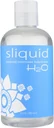 Sliquid H2O Original Sliquid | 4.9 | Water-Based | Sensitive skin, Daily use | |||||
#2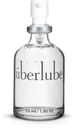 Überlube Luxury Lubricant Überlube | 4.9 | Silicone-Based | Extended sessions, Anal play | |||||
#3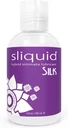 Sliquid Silk Hybrid Sliquid | 4.9 | Hybrid | Extended sessions, Toy use | |||||
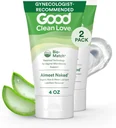
#4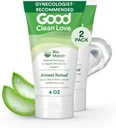 Almost Naked Organic Good Clean Love | 4.8 | Water-Based | Organic lifestyle, Vaginal health | |||||
#5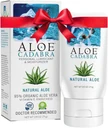 Aloe Cadabra Natural Aloe Cadabra | 4.8 | Water-Based | Natural lifestyle, Sensitive skin | |||||
#6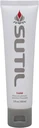 Sutil Luxe Body Glide Sutil | 4.8 | Water-Based | Luxury seekers, Ultra-premium experience | |||||
#7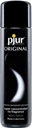 pjur ORIGINAL Bodyglide pjur | 4.8 | Silicone-Based | Marathon sessions, Anal intimacy | |||||
#8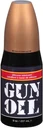 Gun Oil Silicone Lubricant Gun Oil | 4.8 | Silicone-Based | Anal play, Extended sessions | |||||
#9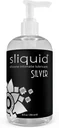 Sliquid Silver Silicone Sliquid | 4.8 | Silicone-Based | Clean-ingredient focus, Sensitive skin | |||||
| #10 Gun Oil Silicone Lubricant Gun Oil | 4.8 | Silicone-Based | LGBTQ+ community, Extended sessions |
Best Lubricants by Type
Different lubricant types serve different needs. Here's what makes each unique.
Best Water-Based Lubricants
Most versatile option. Compatible with all condoms and toys. Easy cleanup.
Sliquid H2O Original
Sliquid
Best Silicone-Based Lubricants
Ultra long-lasting and waterproof. Perfect for extended sessions.
Best Hybrid Lubricants
Best of both worlds. Silicone-like feel with water-based compatibility.
Sliquid Silk Hybrid
Sliquid
Best Natural & Organic Lubricants
Clean ingredients, no synthetic chemicals. Gentle and body-safe.
Best Specialty Lubricants
Enhanced sensations: warming, cooling, tingling, and flavored.
How to Choose the Right Lubricant
Consider these key factors when selecting a personal lubricant.
What to Look For
- pH-balanced formula (3.8-4.5 for vaginal use)
- Glycerin-free to prevent yeast infections
- Paraben-free for hormone safety
- Low osmolality (under 1200 mOsm/kg)
- Compatible with your condoms/toys
- Appropriate viscosity for intended use
What to Avoid
- Glycerin (feeds yeast, causes infections)
- Parabens (potential hormone disruptors)
- Petroleum/oil with latex condoms
- Nonoxynol-9/spermicides (irritating)
- Added sugars or flavoring for vaginal use
- Very high osmolality formulas
Not sure which type is right for you?
Answer a few questions and get a personalized recommendation.
Take Our 2-Minute QuizBest Lubricant for Every Situation
Explore our specialized guides for specific needs and situations.
Understanding Lubricant Ingredients
Know what's in your lubricant and why it matters for your health.
Safe & Beneficial
- • Aloe vera (soothing)
- • Hyaluronic acid (hydrating)
- • Vitamin E (nourishing)
- • Dimethicone (silicone)
- • Purified water
Use with Caution
- • Glycerin (may cause YI)
- • Propylene glycol (irritating)
- • Menthol (cooling, intense)
- • Capsaicin (warming)
- • Flavoring agents
Best to Avoid
- • Parabens
- • Nonoxynol-9
- • Chlorhexidine
- • Petroleum (with latex)
- • Added sugars
Frequently Asked Questions
Expert answers to the most common lubricant questions.
The Science of Personal Lubrication: What Your Body Needs
Understanding how lubrication works—both naturally and with supplemental products—is essential for making informed choices about your sexual health. Natural vaginal lubrication is a complex physiological response involving Bartholin's glands, cervical mucus, and transudation (fluid passing through vaginal walls during arousal). This natural process can be affected by numerous factors including hydration levels, hormonal fluctuations, stress, medications, and age-related changes.
Personal lubricants are designed to supplement or replace natural lubrication when needed. According to research published in the Journal of Sexual Medicine, using lubricant is associated with higher ratings of sexual pleasure and satisfaction. Despite persistent myths, needing lubricant is completely normal—studies show that 65% of women have used lubricant at some point, and regular lubricant users report more positive sexual experiences.
The science behind effective lubrication involves several key factors: viscosity (thickness), slip factor, duration, and biological compatibility. Modern lubricant formulations are engineered to optimize these properties while maintaining safety for intimate use. Understanding these fundamentals helps consumers make better choices and avoid products that may cause irritation or other issues.
pH Balance Matters
The vagina maintains a slightly acidic pH of 3.8-4.5 to prevent infections. Quality lubricants are formulated to match this pH, supporting rather than disrupting the natural protective environment. Our pH-sensitive guide covers this in detail.
Osmolality Explained
Osmolality measures dissolved particle concentration. The WHO recommends lubricants with osmolality under 1200 mOsm/kg for vaginal use and under 380 mOsm/kg for rectal use. High-osmolality products can damage tissue cells and increase infection risk.
Vaginal Microbiome
A healthy vaginal microbiome contains beneficial Lactobacillus bacteria. Certain lubricant ingredients like chlorhexidine and some preservatives can harm these beneficial bacteria, potentially leading to conditions like bacterial vaginosis.
Advanced Lubricant Science: Understanding Formulations
The chemistry behind personal lubricants has evolved dramatically over the past two decades. Modern formulations are the result of extensive research into tribology (the science of friction and lubrication), dermatology, and gynecological health. Understanding these scientific principles helps consumers choose products that will work best for their specific needs while minimizing potential side effects.
How Lubricants Create Slip
Lubricants work through different mechanisms depending on their base ingredients. Water-based lubricants create a hydrating film that reduces surface friction while allowing tissue flexibility. Silicone-based formulas create a persistent molecular layer that adheres to skin surfaces without absorbing, providing longer-lasting protection. Hybrid formulations leverage both mechanisms for balanced performance.
Coefficient of Friction
Lubricants are measured by their coefficient of friction (COF). Lower COF values indicate smoother glide. Premium silicone lubricants typically have COF values of 0.02-0.05, while water-based products range from 0.05-0.15 depending on formulation quality.
Molecular Weight
The molecular weight of silicone polymers affects performance. Low-molecular-weight silicones (like cyclomethicone) evaporate faster, while high-molecular-weight dimethicone creates longer-lasting lubrication but may feel heavier on skin.
Humectant Function
Humectants like glycerin and propylene glycol attract and retain moisture. While effective for long-lasting hydration, high concentrations can create hyperosmolar conditions that draw water from vaginal tissue cells. This is why many sensitive-skin formulas use low-glycerin or glycerin-free alternatives like aloe vera and hyaluronic acid.
Temperature Response
Lubricant viscosity changes with temperature. Water-based products typically thin at body temperature, improving spreadability. Some specialty lubricants use thermosensitive polymers that become more viscous at body temperature for enhanced staying power during anal activities where thicker formulas are preferred.
Lubricant Types: An In-Depth Comparison
Water-Based Lubricants: The Versatile Choice
Water-based lubricants represent the most popular category, accounting for approximately 60% of all lubricant sales. Their popularity stems from universal compatibility with condoms, toys, and sensitive bodies. The primary base ingredient is purified water, combined with thickening agents, humectants for moisture retention, and preservatives for shelf stability.
The formulation science behind water-based lubricants has advanced significantly. Modern formulas use sophisticated thickening systems including hydroxyethylcellulose (HEC), carrageenan, and xanthan gum to achieve the desired viscosity without relying on potentially irritating ingredients. Premium brands also incorporate skin-conditioning agents like vitamin E, aloe vera, and natural plant extracts to enhance comfort during use.
Advantages
- • Compatible with all condom and toy materials
- • Easy cleanup—rinses with water
- • Closest to natural lubrication in feel
- • Can be reactivated with water or saliva
- • Widest variety of specialized formulas
Limitations
- • Dries out faster than other types
- • Not suitable for water play
- • May need frequent reapplication
- • Quality varies significantly by brand
Silicone-Based Lubricants: The Long-Lasting Option
Silicone lubricants are formulated using silicone polymers like dimethicone and dimethiconol. These create an ultra-smooth, long-lasting barrier that doesn't absorb into skin or evaporate like water-based options. Medical-grade silicone is hypoallergenic and often preferred by those with sensitive skin or allergies to common water-based ingredients.
The silicone molecules used in lubricants are specifically chosen for their biocompatibility and performance characteristics. Cyclopentasiloxane provides initial slip while dimethicone creates lasting protection. Premium formulations balance different silicone types to achieve the optimal combination of spreadability, longevity, and cleanup ease.
Advantages
- • Lasts 5-10x longer than water-based
- • Waterproof—ideal for shower/pool
- • Ultra-silky, luxurious texture
- • Fewer ingredients, less irritation risk
- • Safe with all condom types
Limitations
- • NOT safe with silicone toys
- • Requires soap to remove
- • Can stain sheets
- • Higher price point typically
Hybrid Lubricants: The Best of Both Worlds
Hybrid lubricants combine a water-based foundation with a small percentage (typically 5-15%) of silicone. This innovative formulation provides the easy cleanup and toy compatibility of water-based products with enhanced longevity approaching silicone-based options. They're increasingly popular among couples seeking versatility without sacrificing performance.
Advantages
- • Longer-lasting than pure water-based
- • Generally safe with quality silicone toys
- • Silkier feel than water-based
- • Easier cleanup than pure silicone
- • Great balance of properties
Limitations
- • Toy compatibility varies by product
- • Not waterproof
- • Slightly harder to clean than water-based
- • Fewer options on the market
Natural & Organic Lubricants: The Clean Choice
Natural and organic lubricants use plant-derived ingredients and avoid synthetic chemicals. They typically feature aloe vera, coconut derivatives, hemp seed oil, or other botanical ingredients. These products appeal to health-conscious consumers, those with chemical sensitivities, and couples trying to conceive who want to minimize exposure to potentially harmful substances.
Advantages
- • Clean, recognizable ingredients
- • Often gentler on sensitive skin
- • Free from parabens and glycerin
- • Eco-friendly and sustainable
- • Many are fertility-friendly
Limitations
- • May have shorter shelf life
- • Can be more expensive
- • "Natural" claims not always regulated
- • Some plant ingredients can irritate
Our Comprehensive Testing Methodology
At Best Lube Experts, we take product testing seriously. Our multi-phase evaluation process ensures that every recommendation is backed by rigorous analysis. We combine laboratory-style ingredient review, real-world user testing, and expert consultation to provide the most trustworthy recommendations in the industry.
The 5-Phase Testing Protocol
Ingredient Analysis
Complete ingredient review by our biochemist team
pH & Osmolality
Laboratory testing for biological compatibility
Performance Testing
Texture, longevity, and application evaluation
User Feedback
Aggregated reviews from verified purchasers
Value Assessment
Cost-per-use and quality-to-price ratio
What We Test For
- pH levels: Ensuring compatibility with vaginal flora (target 3.8-4.5)
- Osmolality: Checking for proper concentration to prevent cell damage
- Preservative systems: Evaluating safety and effectiveness of antimicrobial agents
- Irritant potential: Identifying common sensitizers and allergens
- Condom compatibility: Testing with latex, polyisoprene, and polyurethane
Rating Criteria Breakdown
Lubricant Selection for Specific Health Conditions
Many health conditions can affect natural lubrication or make choosing the right product more important. Our team has developed specialized guides addressing specific medical needs, working with healthcare professionals to ensure our recommendations are both safe and effective for various conditions.
Hormonal Conditions
- → Menopause & Perimenopause
Addressing vaginal atrophy and dryness
- → PCOS (Polycystic Ovary Syndrome)
Hormonal imbalance considerations
- → Postpartum Recovery
Navigating hormonal changes after birth
Pain Conditions
- → Vulvodynia
Gentle options for chronic vulvar pain
- → Vaginismus
Supporting pelvic floor therapy
- → Endometriosis
Managing painful intercourse
Skin & Sensitivity Issues
- → Sensitive Skin
Hypoallergenic, gentle formulas
- → Eczema & Psoriasis
Non-irritating options
- → Latex Allergy
Safe alternatives for latex sensitivity
Infection Prevention
- → Yeast Infection Prevention
Glycerin-free, pH-balanced options
- → BV Prevention
Microbiome-friendly formulas
- → pH Sensitivity
Maintaining vaginal balance
Medical Disclaimer
The information on this site is for educational purposes and should not replace professional medical advice. If you have a medical condition affecting your sexual health, we recommend consulting with a healthcare provider before trying new products. Many conditions like vulvodynia, vaginismus, and chronic dryness benefit from professional treatment in addition to using quality lubricants.
Complete Lubricant Buying Guide: Everything You Need to Know
Choosing the right lubricant involves more than just picking a type. Consider your specific use case, any sensitivities, budget, and preferences. This comprehensive buying guide covers every factor to help you make an informed decision.
Use Case Considerations
- Vaginal sex: pH-balanced water-based or hybrid formulas work best for most people
- Anal activities: Thicker silicone or hybrid lubes provide superior cushioning for anal play
- Oral activities: Flavored, glycerin-free options for oral pleasure
- Toy use: Water-based or toy-safe formulas for toy compatibility
- Massage: Silicone-based for extended massage sessions
Safety Factors
- Condom compatibility: Always verify lubricant works with your condom type
- Fertility impact: Use fertility-friendly formulas when TTC
- Infection risk: Avoid glycerin if prone to yeast infections
- Allergen concerns: Choose hypoallergenic options if sensitive
- Material safety: Check toy material compatibility before use
Value Considerations
- Cost per use: Higher-priced lubes often require less product per application
- Concentration: Silicone lubes typically last longer, improving value
- Size options: Sample sizes help test before committing
- Multi-use potential: Some lubes double as massage oil
- Shelf life: Check expiration dates for storage longevity
Quick Decision Framework
Choose Water-Based If:
- • You use silicone toys
- • You want easy cleanup
- • You prefer natural-feeling texture
- • You're a beginner or exploring
Choose Silicone-Based If:
- • You need long-lasting lubrication
- • You enjoy water-based activities
- • You have extremely sensitive skin
- • You prioritize silky texture
Choose Hybrid If:
- • You want balanced performance
- • Water-based dries too quickly for you
- • You use multiple toy materials
- • You enjoy longer sessions
Choose Natural/Organic If:
- • You have multiple sensitivities
- • You prefer clean ingredients
- • You're trying to conceive
- • Environmental impact matters to you
Expert Tips for Using Personal Lubricants
Application Best Practices
Start with a small amount
A dime to quarter-sized amount is usually sufficient. You can always add more, but too much can reduce sensation.
Warm it first
Rub between your fingers for a few seconds. Cold lubricant can be jarring and uncomfortable.
Apply to both partners
For penetrative activities, applying lubricant to both parties maximizes comfort and reduces friction.
Reapply as needed
Don't hesitate to add more during longer sessions. For water-based lubes, a splash of water can reactivate them.
Pro Tips From Experts
For longer sessions:
Keep a small bowl of water nearby. Adding a few drops to water-based lubricant reactivates it without needing a full reapplication.
For anal activities:
Use significantly more lubricant than you think you need. The anal canal doesn't self-lubricate, so generous application is essential for comfort and safety. See our anal guide.
For toy use:
Apply lubricant to both the toy and yourself. Always check material compatibility—silicone lube can damage silicone toys.
For sensitive skin:
Patch test new products on your inner arm 24 hours before intimate use. See our sensitive skin recommendations.
Common Lubricant Questions Answered
Can lubricant affect fertility?
Yes, most regular lubricants can harm sperm motility and viability. If you're trying to conceive, use specifically formulated fertility-friendly lubricants like Pre-Seed that are designed with sperm-safe pH and osmolality levels. These products have been tested to not interfere with sperm function. Our IVF & fertility guide covers this topic in depth.
How do I know if I'm allergic to a lubricant?
Signs of a lubricant allergy or sensitivity include itching, burning, redness, swelling, or rash after use. If you experience these symptoms, stop using the product immediately and wash the area with mild soap and water. For future purchases, look for hypoallergenic formulas and consider patch testing on your inner arm before intimate use. Our sensitive skin guide recommends the gentlest options.
Is it safe to use lubricant every day?
Yes, high-quality lubricants are safe for daily use. In fact, regular lubricant use can help prevent microtears from friction, potentially reducing infection risk. For daily vaginal use, choose pH-balanced, glycerin-free formulas that support the natural vaginal environment. If you use lubricant very frequently and experience any irritation, try switching to a formula with fewer ingredients or consult with a healthcare provider.
What's the difference between lubricant and vaginal moisturizer?
Lubricants provide temporary slipperiness during sexual activity and are applied immediately before or during intimacy. Vaginal moisturizers are designed for regular use (typically every 2-3 days) to provide ongoing hydration to vaginal tissue. They work differently—moisturizers help restore moisture balance over time, while lubricants create an immediate slippery surface. Many people with conditions like menopause-related dryness use both: moisturizers for daily comfort and lubricants for sexual activity.
How long does lubricant last once opened?
Most lubricants have a shelf life of 1-3 years once opened, depending on the formulation and preservative system used. Water-based lubricants typically have shorter shelf lives than silicone-based products. Store your lubricant in a cool, dry place away from direct sunlight. Always check for changes in color, consistency, smell, or the presence of mold before use. When in doubt, replace the product. Natural and organic formulas without synthetic preservatives may have shorter shelf lives—always check the manufacturer's recommendations.
Are flavored lubricants safe for vaginal use?
While flavored lubricants are designed for external use and oral activities, many contain sugars, glycerin, or sweeteners that can disrupt vaginal pH and potentially promote yeast infections when used internally. If you enjoy flavored lubricants for oral pleasure but want to transition to vaginal activity, consider wiping off the flavored product first or choosing sugar-free formulas specifically labeled safe for internal use. Our oral play guide covers this in detail.
Popular Brand Comparisons
Deciding between brands? Our detailed brand comparison guides provide side-by-side analysis of popular lubricant manufacturers, including ingredient quality, product range, pricing, and consumer satisfaction ratings.
Sliquid vs Überlube
Premium natural vs luxury silicone comparison
Astroglide vs K-Y
Two pharmacy staples head-to-head
Good Clean Love vs Sliquid
Top organic brands compared
pjur vs Swiss Navy
European vs American silicone formulas
LELO vs Überlube
Luxury silicone showdown
View All Brands
Explore our complete brand directory
Ready to Find Your Perfect Lubricant?
We've tested over 100 products so you don't have to. Whether you're looking for something specific to your body's needs or simply want the best overall option, we have expert recommendations for you.
Ready to Find Your Perfect Lubricant?
Browse our complete collection of expert-reviewed lubricants or take our quiz for a personalized recommendation.
Complete Buyer's Guide – 37+ Specialty Guides
Browse guides by health condition, activity, relationship type, and lifestyle preference