
Best Lubricants for Sex Toys
Material-safe formulas that protect your toys and enhance pleasure
 Dr. Sarah ChenMD, OB-GYN, FACOG
Sex toys represent a significant investment in your pleasure, with quality items ranging from $50 to several hundred dollars. Using the wrong lubricant can permanently damage these toys, turning a treasured item into an expensive paperweight. Understanding lubricant-toy compatibility is essential for protecting your investment and ensuring safe, pleasurable experiences.
Sex toys represent a significant investment in your pleasure, with quality items ranging from $50 to several hundred dollars. Using the wrong lubricant can permanently damage these toys, turning a treasured item into an expensive paperweight. Understanding lubricant-toy compatibility is essential for protecting your investment and ensuring safe, pleasurable experiences.
The relationship between lubricants and toy materials is complex. Some combinations work perfectly together, while others cause chemical reactions that degrade the toy surface, create health risks, and ruin the product. Our team has tested over 80 lubricant-toy combinations to identify the safest and most effective pairings. In general, water-based lubricants are the safest universal choice for any toy material.
This comprehensive guide will teach you exactly which lubricants work with which toy materials, why certain combinations are dangerous, and how to choose the perfect lubricant for your toy collection. Whether you own silicone vibrators, glass dildos, or metal plugs, this guide ensures you never accidentally damage a toy again. For those using toys in solo play or with a partner, choosing the right lubricant enhances both safety and pleasure.
The sex toy industry has grown exponentially in recent years, with innovation in both toy materials and lubricant formulations. This evolution has made compatibility more important than ever—but also more achievable, with high-quality water-based lubricants now rivaling silicone in longevity and slipperiness. Understanding the science behind these products empowers you to make choices that protect your investments while maximizing pleasure.
We'll cover everything from basic material identification to advanced care techniques, ensuring that whether you're new to toy use or an experienced collector, you have the knowledge to care for your toys properly. The right lubricant choice extends toy life, ensures safety, and enhances every experience.
**Related Guides for Toy Enthusiasts** Explore our silicone toy safety guide, solo play, couples guide, and long-distance intimacy. Browse our water-based lubricants, visit our buyers guide, or take our quiz.
Recommended Lubricant Types
Based on this guide, these lubricant categories are most relevant to your needs:
Our Top Picks for Toys
Expert-selected products that meet these specific needs
| Product | Score | Type | Best For | |
|---|---|---|---|---|
#1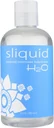 Sliquid H2O Original Sliquid GFPFpHLS | 4.9 | Water-Based | Sensitive skin, Daily use | |
#2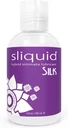 Sliquid Silk Hybrid Sliquid GFPFpHLS | 4.9 | Hybrid | Extended sessions, Toy use | |
#3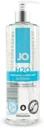 System JO H2O System JO GFPFpHLS | 4.7 | Water-Based | Clean ingredients, Toy users | |
#4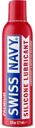 Swiss Navy Premium Silicone Swiss Navy GFPFpHLS | 4.7 | Silicone-Based | Everyday use, Budget-conscious buyers | |
#5 pjur ORIGINAL Bodyglide pjur GFPFpHLS | 4.8 | Silicone-Based | Marathon sessions, Anal intimacy |
Understanding Sex Toy Materials
Silicone Toys
Medical-grade silicone is the gold standard for sex toys. It is non-porous, body-safe, hypoallergenic, and easy to clean. However, silicone has one significant limitation: it can react with silicone-based lubricants. When silicone molecules from the lubricant contact the toy surface, they can bond and cause degradation, making the toy sticky, rough, or misshapen.
Glass Toys
Borosilicate glass (Pyrex) toys are completely non-reactive and compatible with every lubricant type. They are non-porous, easy to sterilize, and can be heated or cooled for temperature play. Glass is one of the safest materials for intimate use and offers beautiful aesthetics. Glass toys are virtually indestructible under normal use and maintain their smooth surface indefinitely.
Metal Toys
Stainless steel toys share the universal compatibility of glass. They are non-porous, hypoallergenic, and can be used with any lubricant. Metal toys are also excellent for temperature play and have significant weight, which some users prefer. Look for surgical-grade stainless steel (316 grade) for the safest experience.
Hard Plastic/ABS
Hard plastic toys are compatible with all lubricant types. However, cheaper plastic toys may contain phthalates or other harmful chemicals. Look for toys labeled "phthalate-free" or made from ABS plastic specifically. Hard plastic is non-porous but less premium-feeling than silicone, glass, or metal.
TPE/TPR (Thermoplastic Elastomer/Rubber)
These porous materials are softer and more affordable than silicone but have significant drawbacks. They cannot be fully sterilized, may contain harmful chemicals, and can absorb lubricants. Use only water-based lubricants with TPE/TPR toys. These toys have a limited lifespan regardless of care and should be replaced regularly.
Cyberskin and Realistic Materials
These ultra-realistic materials are highly porous and delicate. They require special care and should only be used with water-based lubricants. These materials have a limited lifespan regardless of care. Many require dusting with cornstarch or renewal powder after cleaning to maintain their texture.
PVC (Polyvinyl Chloride)
PVC toys are affordable but may contain phthalates unless specifically labeled otherwise. They are porous and should only be used with water-based lubricants. PVC is not recommended for long-term use due to potential chemical concerns.
Jelly Rubber
This outdated material contains phthalates and is not considered body-safe by modern standards. Jelly rubber toys should be avoided entirely. If you own jelly toys, consider upgrading to silicone or other body-safe materials.
Sex toys are made from a variety of materials, each with unique properties that affect lubricant compatibility. Understanding these materials is the first step to choosing the right lubricant.
Silicone Toys
Medical-grade silicone is the gold standard for sex toys. It is non-porous, body-safe, hypoallergenic, and easy to clean. However, silicone has one significant limitation: it can react with silicone-based lubricants. When silicone molecules from the lubricant contact the toy surface, they can bond and cause degradation, making the toy sticky, rough, or misshapen.
Quality matters significantly with silicone toys. 100% platinum-cured medical-grade silicone is the highest quality and may be more resistant to damage, though no silicone toy is guaranteed safe with silicone lubricant. Cheaper silicone blends are more vulnerable to damage.
Glass Toys
Borosilicate glass (Pyrex) toys are completely non-reactive and compatible with every lubricant type. They are non-porous, easy to sterilize, and can be heated or cooled for temperature play. Glass is one of the safest materials for intimate use and offers beautiful aesthetics. Glass toys are virtually indestructible under normal use and maintain their smooth surface indefinitely.
Metal Toys
Stainless steel toys share the universal compatibility of glass. They are non-porous, hypoallergenic, and can be used with any lubricant. Metal toys are also excellent for temperature play and have significant weight, which some users prefer. Look for surgical-grade stainless steel (316 grade) for the safest experience.
Hard Plastic/ABS
Hard plastic toys are compatible with all lubricant types. However, cheaper plastic toys may contain phthalates or other harmful chemicals. Look for toys labeled "phthalate-free" or made from ABS plastic specifically. Hard plastic is non-porous but less premium-feeling than silicone, glass, or metal.
TPE/TPR (Thermoplastic Elastomer/Rubber)
These porous materials are softer and more affordable than silicone but have significant drawbacks. They cannot be fully sterilized, may contain harmful chemicals, and can absorb lubricants. Use only water-based lubricants with TPE/TPR toys. These toys have a limited lifespan regardless of care and should be replaced regularly.
Cyberskin and Realistic Materials
These ultra-realistic materials are highly porous and delicate. They require special care and should only be used with water-based lubricants. These materials have a limited lifespan regardless of care. Many require dusting with cornstarch or renewal powder after cleaning to maintain their texture.
PVC (Polyvinyl Chloride)
PVC toys are affordable but may contain phthalates unless specifically labeled otherwise. They are porous and should only be used with water-based lubricants. PVC is not recommended for long-term use due to potential chemical concerns.
Jelly Rubber
This outdated material contains phthalates and is not considered body-safe by modern standards. Jelly rubber toys should be avoided entirely. If you own jelly toys, consider upgrading to silicone or other body-safe materials.
The Science of Lube-Toy Compatibility
Understanding why certain lubricants damage specific toys requires basic chemistry knowledge. The compatibility issues stem from molecular interactions between lubricant ingredients and toy materials.
1The Silicone-on-Silicone Problem
Silicone lubricants contain polydimethylsiloxane (PDMS) and related silicone polymers. When these polymers contact silicone toys, they can cause a phenomenon called "like dissolves like." The silicone molecules in the lubricant are attracted to the silicone molecules in the toy, potentially causing:
2Why Molecular Weight Matters
Silicone lubricants contain polymers of varying molecular weights. Lower molecular weight silicones are smaller and can more easily penetrate toy surfaces. Higher molecular weight silicones are larger and generally safer, but still pose some risk. Some premium silicone toys are marketed as "silicone-lube compatible," but this remains controversial among experts.
3Oil and Porous Materials
Oil-based lubricants (including coconut oil and other natural oils) can penetrate porous toy materials like TPE, TPR, and Cyberskin. Once absorbed, the oil cannot be fully removed and can:
4Water-Based Universality
Water-based lubricants are universally compatible because water does not chemically react with toy materials. The lubricant sits on the surface without bonding or penetrating, then rinses away completely. This makes water-based lubricants the safest choice for any toy collection. Modern water-based formulas have overcome many historical limitations like quick drying and stickiness.
5Hybrid Considerations
Hybrid lubricants (water-based with added silicone) exist in a gray area. The low silicone content (typically 5-15%) means they are generally safer for silicone toys than pure silicone lubricants, but some risk remains. When in doubt, test on an inconspicuous area first. The silicone content in hybrids is usually low enough to avoid significant damage, but cautious users may prefer to stick with pure water-based formulas.
6Understanding Surface Tension
Lubricants work by reducing surface tension and friction. Different formulations achieve this through different means:
Complete Ingredient Guide
Toy Material Compatibility Chart
Silicone Toys + Water-Based
Perfect compatibility, completely safe
Glass Toys + Any Lube
Universal compatibility with all lubricant types
Metal Toys + Any Lube
Universal compatibility with all lubricant types
ABS Plastic + Any Lube
Universal compatibility with all lubricant types
TPE/TPR + Water-Based
Only safe option for porous materials
Cyberskin + Water-Based
Only safe option for this delicate material
Latex Toys + Water/Silicone
Both are compatible with latex
Wood (sealed) + Any
Properly sealed wood is compatible with all
Silicone Toys + Hybrid
Usually safe, spot test recommended
Jelly Rubber + Any
Material itself is unsafe, avoid these toys
Silicone Toys + Silicone Lube
Can cause surface degradation
TPE/TPR + Silicone/Oil
Can absorb lubricant and harbor bacteria
Cyberskin + Silicone/Oil
Will damage material and shorten lifespan
Latex Toys + Oil-Based
Oil degrades latex material
Lubricant Types Compared
Lubricant Types for Sex Toys
Water-Based
Sensitivity Rating
5/5 for sensitive skin
Pros:
- + Compatible with ALL toy materials without exception
- + Easy cleanup with just water
- + Safe for silicone, glass, metal, and porous toys
- + Most variety in formulas and textures
- + Can be reactivated with water
- + Won't stain fabrics
Cons:
- − May need reapplication during extended sessions
- − Can feel tacky when drying
- − Not ideal for water play (washes away)
- − Quality varies significantly between brands
Best for: Silicone toys, mixed toy collections, beginners, sensitive users
Silicone-Based
Sensitivity Rating
3/5 for sensitive skin
Pros:
- + Exceptional lasting power without reapplication
- + Perfect for glass and metal toys
- + Waterproof for shower and bath play
- + Silky, premium texture
- + Hypoallergenic with minimal ingredients
- + Does not dry out or get sticky
Cons:
- − NOT safe for silicone toys (causes degradation)
- − Harder to clean (requires soap)
- − Can stain sheets and fabrics
- − Cannot be used with silicone condoms
Best for: Glass toys, metal toys, water play, extended sessions
Hybrid
Sensitivity Rating
4/5 for sensitive skin
Pros:
- + Longer lasting than pure water-based
- + Usually safe for quality silicone toys
- + Good balance of longevity and cleanup
- + Smoother feel than pure water-based
Cons:
- − Some risk with silicone toys (spot testing advised)
- − Less variety available
- − More expensive than basic water-based
- − Must verify silicone content for toy safety
Best for: Those wanting longevity with silicone toy compatibility
What to Look For in a Toy-Safe Lubricant
Material Compatibility Statement
Quality lubricants clearly state which toy materials they are compatible with. Look for explicit statements like 'safe for silicone toys' rather than vague claims. Reputable brands test their products with various materials and provide clear guidance. If compatibility information is not provided, assume the lubricant follows standard rules (water-based = universal, silicone = not for silicone toys).
Water-Based Formula for Silicone Toys
If you own silicone toys (as most people do), water-based lubricants are your safest choice. They provide zero risk of material damage and offer excellent lubrication. Many premium water-based options match silicone lubricants in slickness and longevity. Modern formulations have largely eliminated the drying and stickiness issues of older water-based products.
Low-Residue Formula
Lubricants that leave heavy residue can be difficult to clean from textured toys. Look for formulas that rinse away easily with water. This is especially important for toys with ridges, bumps, or intricate designs that can trap residue. Residue buildup can harbor bacteria and affect toy texture over time.
Body-Safe Ingredients
Choose lubricants with clean ingredient lists free from glycerin (for those prone to infections), parabens, and harsh preservatives. What is safe for your toys should also be safe for your body. Avoid lubricants with numbing agents, excessive fragrances, or irritating ingredients that could cause discomfort.
Appropriate Viscosity
Consider how you use your toys. Thicker lubricants stay in place better for penetrative toys, while thinner formulas work well for vibrators and external stimulation. Some brands offer different viscosities in the same product line. Gel formulas are often ideal for insertable toys.
Quality Testing and Certification
Look for lubricants from established brands that conduct compatibility testing. FDA-cleared lubricants have met safety standards. Certifications from organizations like CE marking indicate quality manufacturing processes. Avoid unknown brands with no transparency about testing or ingredients.
pH Balance for Internal Toys
For toys used internally, consider pH-balanced lubricants (3.8-4.5 for vaginal use, around 7 for anal use). This protects your body's natural balance while using toys. [pH-sensitive individuals](/guide/best-lube-for-ph-sensitive) should be especially attentive to this factor.
What to Avoid with Sex Toys
- Silicone lubricant with silicone toys (causes surface degradation and damage)
- Oil-based products with porous materials (harbors bacteria and degrades material)
- Petroleum-based products like Vaseline (damages most materials, hard to clean)
- Numbing lubricants (mask pain that signals problems during use)
- Flavored lubricants for internal toy use (sugar content can cause infections)
- Cheap lubricants without ingredient lists (unknown safety profile)
- Products with strong fragrances (potential irritants, often contain harmful chemicals)
- Cooking oils or household products as lubricant substitutes (not designed for intimate use)
- Lotions or moisturizers (not formulated for toys, may contain harmful ingredients)
- Expired lubricants (reduced effectiveness, potential bacterial contamination)
- Products that leave heavy residue (difficult to clean from toys, harbors bacteria)
- Warming/cooling lubricants for insertable toys (can cause discomfort inside the body)
- Oil-based lubricants with latex condoms covering toys (degrades latex)
Common Myths Debunked
Common Myths About Lubricants and Toys
High-quality silicone toys are immune to silicone lubricant damage
While premium silicone toys may resist damage better than cheap alternatives, no silicone toy is guaranteed safe with silicone lubricants. The chemical interaction between silicone polymers exists regardless of toy quality. Some users have used the combination without visible damage, but the risk is always present, and damage may be gradual and cumulative over many uses.
A quick spot test guarantees compatibility
Spot tests can indicate immediate reactions but may not reveal gradual damage that occurs over time with repeated exposure. A spot test that looks fine initially could still result in damage after multiple uses. For silicone toys, water-based lubricants remain the only truly safe choice. Consider spot tests as useful but not definitive.
Coconut oil is a safe, natural lubricant for toys
While coconut oil is natural, it can damage porous toy materials, degrade latex condoms, and is difficult to fully clean from toys. It can also promote bacterial growth in warm, moist environments. Stick to lubricants specifically designed for intimate use with toys.
Water-based lubricants are inferior for toy play
Modern water-based lubricants have improved dramatically. Premium water-based options can match silicone lubricants in slickness and longevity. Many include ingredients like hyaluronic acid that provide excellent moisture retention. The universal compatibility of water-based lubricants makes them the smartest choice for toy owners.
You do not need lubricant with vibrators
While vibrators provide stimulation without penetration, lubricant enhances the experience significantly. It reduces friction during external use, helps vibrators glide smoothly over skin, and can intensify sensations. Many people find vibrator play more pleasurable with lubricant.
Expensive toys don't need as much lubricant
All toys benefit from adequate lubrication regardless of price. Expensive toys may have superior materials and designs, but they still create friction against skin and mucous membranes. Using proper lubrication protects both your body and your investment.
Saliva is an acceptable lubricant for toy use
Saliva dries quickly, contains bacteria, and does not provide adequate lubrication for most toy use. It's particularly inadequate for anal toys. Always use proper lubricant designed for intimate use.
How to Test Lubricant Compatibility
If you want to test a lubricant with a silicone toy, follow this careful process. However, remember that even successful tests do not guarantee long-term safety.
Step 1: Find an Inconspicuous Area
Choose a spot on the toy that does not contact your body during use, such as the base or a non-insertable portion. This limits potential damage to a less critical area.
Step 2: Apply a Small Amount
Place a drop of lubricant on the test area. Use a minimal amount—about the size of a small pea.
Step 3: Wait and Observe
Leave the lubricant in contact with the toy for at least 15 minutes. Some reactions are immediate, while others take time to develop.
Step 4: Check for Reactions
Look for: - Sticky or tacky feeling (the most common sign of damage) - Visible surface changes (clouding, whitening) - Discoloration - Softening or swelling of the material - Any unusual texture (roughness, pitting) - Loss of the toy's original smooth finish
Step 5: Clean and Re-examine
Wash the test area thoroughly and let it dry completely. Check again for any lasting changes to the surface. Sometimes damage only becomes apparent after the lubricant is removed.
Step 6: Perform a Second Test (Optional)
If the first test was successful, consider testing again on a different area or with more lubricant. One successful test does not guarantee ongoing compatibility.
Important Considerations:
- Negative results do not guarantee long-term safety - Damage can be cumulative over many uses - When in doubt, use water-based lubricant - Premium toys deserve premium care - Document which lubricants work with which toys - Remember that manufacturers rarely recommend silicone-on-silicone
Creating a Compatibility Log:
Keep a record of which lubricants you've tested with which toys. Note: - Toy name/brand and material - Lubricant tested - Test date - Results (any changes observed) - Ongoing observations
This documentation helps you track what works and identify any cumulative issues.
Toy Cleaning and Care Best Practices
Proper toy care extends toy life and protects your health. Follow these guidelines for safe toy maintenance
Proper toy care extends toy life and protects your health. Follow these guidelines for safe toy maintenance:
**Cleaning Before First Use** Always clean new toys before first use, even if packaged as sterile. Manufacturing residue may be present. This applies to all toys regardless of material or price point.
Post-Use Cleaning
- Non-porous toys (silicone, glass, metal): Wash with mild soap and water, or use a dedicated toy cleaner
- Porous toys: Clean thoroughly but understand they cannot be fully sterilized
- Battery compartments: Keep dry during cleaning
- Charging ports: Cover or avoid when washing
- Motor housings: Clean carefully to avoid water damage
Deep Cleaning Non-Porous Toys
- Boiling for 3-5 minutes (check manufacturer instructions)
- Running through dishwasher (top rack, no detergent, no other dishes)
- Soaking in 10% bleach solution for 10 minutes, then rinsing thoroughly
- Using UV sanitizing devices designed for toys
Cleaning Porous Toys
- Use toy cleaner or mild soap and water
- Dry completely before storage
- Replace regularly (every 6-12 months with frequent use)
- Consider using [condoms](/guide/best-lube-for-condoms) over these toys
- Never share porous toys between partners without barrier protection
Drying
- Air dry completely before storage
- Use a clean, lint-free cloth if needed
- Ensure no moisture remains in crevices or textures
- Battery compartments and charging ports must be completely dry
Lubricant Residue
- Silicone lubricant: May need soap to fully remove
- Oil-based: Requires thorough soap cleaning
- Water-based: Usually rinses clean with water
When to Replace Toys
- Visible cracks, tears, or damage
- Sticky or tacky surfaces that won't clean off
- Unusual odors that persist after cleaning
- Changes in texture or flexibility
- Any sign of mold or discoloration
- Motor malfunction or strange sounds
- Discoloration that won't wash away
Expert Tip
Invest in a quality water-based lubricant as your default for toy play. Keep silicone lubricant only for glass and metal toys. Label your lubricants clearly if you have multiple types, and always double-check before use. A moment of verification prevents expensive mistakes. Build a small collection of compatible lubricants for different purposes rather than trying to use one product for everything.
Related Guides & Resources
Best Water-Based Lubricants
Safe with all toy materials for worry-free play
Best Silicone Lubricants
For glass and metal toys only
Best Hybrid Lubricants
Balance of longevity and toy compatibility
Best Natural & Organic Lubricants
Clean formulas safe for toys
Best Lube for Solo Play
Optimize your solo toy sessions
Best Lube for Couples
Partner play with toys
Best Lube for Anal Play
Anal toy lubrication guide
Best Lube for Silicone Toys
Specific silicone toy guidance
Sliquid vs Überlube
Water-based vs silicone comparison
Frequently Asked Questions
Explore All 37+ Lubricant Guides
Browse our complete buyer's guide hub with guides organized by health conditions, activities, relationships, and preferences.
View Complete Buyer's GuideRelated Guides
Best Lube for Silicone Toys
Safe, compatible formulas that protect your investment
Best Lube for Solo Play
Enhance your personal pleasure routine
Best Lube for Couples
Versatile formulas that enhance every intimate moment
Best Lube for Anal
Thick, cushioning formulas for comfort and safety
Best Lube for Sensitive Skin
Gentle, hypoallergenic formulas that won't irritate
Best Lube for Menopause
Restore comfort and pleasure during hormonal changes