
Best Lubricants for PCOS
Clean, hormone-safe formulas for polycystic ovary syndrome
 Dr. Sarah ChenMD, OB-GYN, FACOG
Polycystic ovary syndrome (PCOS) affects hormone balance, metabolism, and intimate health. Affecting an estimated 8-13% of reproductive-age women worldwide—with up to 70% of cases undiagnosed—PCOS is one of the most common endocrine disorders. Many women with PCOS experience irregular cycles, fertility challenges, and increased sensitivity to endocrine-disrupting chemicals. Choosing clean, hormone-safe lubricants becomes especially important.
Polycystic ovary syndrome (PCOS) affects hormone balance, metabolism, and intimate health. Affecting an estimated 8-13% of reproductive-age women worldwide—with up to 70% of cases undiagnosed—PCOS is one of the most common endocrine disorders. Many women with PCOS experience irregular cycles, fertility challenges, and increased sensitivity to endocrine-disrupting chemicals. Choosing clean, hormone-safe lubricants becomes especially important.
PCOS is characterized by hormonal imbalances including elevated androgens, irregular ovulation, and often insulin resistance. These imbalances create a cascade of effects that directly impact intimate health: irregular natural lubrication patterns, increased susceptibility to yeast infections, altered vaginal pH, and heightened sensitivity to chemicals that may further disrupt the endocrine system.
For women with PCOS who are trying to conceive, lubricant choice becomes even more critical. Standard lubricants can harm sperm motility, reducing already-challenged conception odds. Meanwhile, the emotional toll of PCOS—including body image concerns, frustration with symptoms, and fertility stress—can affect desire and arousal, making comfortable, worry-free intimacy essential.
This comprehensive guide identifies lubricants that avoid potentially hormone-disrupting ingredients while supporting the unique intimate health needs of women with PCOS. We examine the science behind endocrine disruption, analyze specific ingredients through the lens of PCOS management, and provide actionable guidance for every scenario—from daily comfort to fertility optimization.
**Key PCOS-Specific Concerns for Lubricant Selection** - Hormonal sensitivity requires avoiding potential endocrine disruptors - Insulin resistance increases yeast infection susceptibility (glycerin avoidance is critical) - Irregular cycles create unpredictable natural lubrication patterns - Fertility concerns demand sperm-friendly options when trying to conceive - PCOS medications (metformin, clomiphene) may affect vaginal moisture - Emotional and psychological factors influence intimate comfort and desire
**The Clean Lubricant Approach** Women with PCOS benefit from what we call the "clean lubricant approach"—choosing products with verified ingredient safety, minimal chemical exposure, and no known endocrine-disrupting compounds. This isn't about fear-mongering or avoiding all chemicals; it's about making informed choices that support, rather than challenge, an already-imbalanced hormonal system.
**PCOS and the Bigger Picture** PCOS management is holistic—it encompasses diet, exercise, stress management, medication, and lifestyle choices. Lubricant selection fits within this larger framework of hormone-conscious decision-making. Just as a woman with PCOS might choose organic produce to reduce pesticide exposure, or BPA-free water bottles to minimize endocrine disruptors, choosing clean lubricant is another practical step in a comprehensive management strategy. This guide empowers you to make this choice with confidence and scientific understanding.
**Related Guides for Hormonal Health** Explore our menopause guide, endometriosis support, fertility lubricants, and trying to conceive guide. For vaginal health, see our BV prevention, pH-sensitive options, and yeast infection prevention. Browse our natural lubricants, visit our buyers guide, or take our quiz.
Recommended Lubricant Types
Based on this guide, these lubricant categories are most relevant to your needs:
Our Top Picks for PCOS
Expert-selected products that meet these specific needs
| Product | Score | Type | Best For | |
|---|---|---|---|---|
#1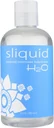 Sliquid H2O Original Sliquid GFPFpHLS | 4.9 | Water-Based | Sensitive skin, Daily use | |
#2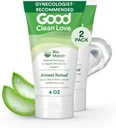 Almost Naked Organic Good Clean Love GFPFpHLS | 4.8 | Water-Based | Organic lifestyle, Vaginal health | |
#3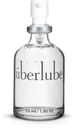 Überlube Luxury Lubricant Überlube GFPFpHLS | 4.9 | Silicone-Based | Extended sessions, Anal play | |
#4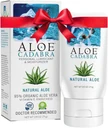 Aloe Cadabra Natural Aloe Cadabra GFPFpHLS | 4.8 | Water-Based | Natural lifestyle, Sensitive skin | |
#5 Sutil Luxe Body Glide Sutil GFPFpHLS | 4.8 | Water-Based | Luxury seekers, Ultra-premium experience |
PCOS and Intimate Health
How PCOS Affects Intimate Health
The hormonal imbalances in PCOS create a ripple effect that touches virtually every aspect of intimate health:
Irregular ovulation affects natural lubrication patterns
Cervical mucus production is tied to the menstrual cycle. With irregular or absent ovulation, the predictable patterns of cervical fluid that provide natural lubrication become unreliable
Elevated androgens may increase sensitivity
Higher testosterone and DHEA-S levels can affect genital tissue sensitivity, sometimes increasing it, sometimes decreasing it
Higher risk of yeast infections
Insulin resistance—present in up to 70% of PCOS women—creates elevated blood sugar that feeds Candida overgrowth. Glycerin in lubricants adds fuel to this fire
Fertility concerns require sperm-friendly options when TTC
With ovulation already unpredictable, every fertile window matters. Using lubricants that harm sperm adds an unnecessary barrier
Medications may affect vaginal moisture
Metformin (commonly prescribed for insulin resistance) can cause gastrointestinal issues that indirectly affect intimate comfort. Clomiphene and letrozole (fertility drugs) can cause [vaginal dryness](/guide/best-lube-for-dryness) as a side effect
Psychological factors
PCOS-related body image concerns (weight gain, hirsutism, acne) can affect desire and arousal, making comfortable intimacy especially important for maintaining connection
Why Clean Ingredients Matter for PCOS
The endocrine system of a woman with PCOS is already struggling to maintain balance. Introducing potential endocrine disruptors through intimate products—which contact highly permeable mucous membranes—is an avoidable risk:
Parabens (potential endocrine disruptors)
Multiple studies have detected parabens in human tissue, and they exhibit weak estrogenic activity. For women with PCOS already managing hormonal imbalances, minimizing additional endocrine input is prudent
Phthalates (hormone-disrupting)
Often hidden in "fragrance" formulations, phthalates are known endocrine disruptors that can affect reproductive function
Glycerin (feeds yeast—problematic with PCOS-related yeast susceptibility)
Glycerin is metabolized by Candida species, promoting overgrowth. Women with PCOS-related insulin resistance are already more prone to yeast infections
Synthetic fragrances (may contain hormone disruptors)
The term "fragrance" can encompass hundreds of chemicals, many untested for endocrine effects
BPA and BHT in packaging
Some lubricant bottles and tubes contain BPA in their plastic or BHT as an antioxidant—both are known endocrine disruptors
PCOS Phenotypes and Lubricant Needs
PCOS presents in several phenotypes, each with slightly different lubricant considerations:
Classic PCOS (high androgens + irregular cycles + polycystic ovaries)
May experience acne in genital area, making gentle formulas essential
Non-classic PCOS (high androgens + polycystic ovaries, regular cycles)
May have more predictable lubrication patterns but still need clean formulas
Ovulatory PCOS (irregular cycles + polycystic ovaries, normal androgens)
Lubrication patterns may be most affected by unpredictable cycles
Lean PCOS
May have different metabolic concerns but similar hormonal sensitivity
The Insulin Resistance Connection
Insulin resistance deserves special attention because it creates a direct, measurable link between metabolic health and vaginal health. When insulin resistance is present, blood glucose levels remain chronically elevated. This excess glucose is deposited in vaginal epithelial cells as glycogen, which is then metabolized by vaginal bacteria and yeast. Higher glycogen means more substrate for Candida species, creating an environment primed for yeast overgrowth. Adding glycerin-containing lubricant to this already-vulnerable environment is essentially pouring fuel on a smoldering fire. This biological chain—from insulin resistance to glycogen overproduction to yeast susceptibility—is why glycerin-free lubricant isn't just a preference for PCOS women; it's a medically sound recommendation backed by established pathophysiology.
PCOS creates unique and multifaceted considerations for lubricant selection due to hormonal imbalances, metabolic dysfunction, and associated conditions. Understanding these connections helps explain why standard "one-size-fits-all" lubricant advice doesn't work for women with PCOS.
How PCOS Affects Intimate Health
The hormonal imbalances in PCOS create a ripple effect that touches virtually every aspect of intimate health:
- **Irregular ovulation affects natural lubrication patterns**: Cervical mucus production is tied to the menstrual cycle. With irregular or absent ovulation, the predictable patterns of cervical fluid that provide natural lubrication become unreliable - **Elevated androgens may increase sensitivity**: Higher testosterone and DHEA-S levels can affect genital tissue sensitivity, sometimes increasing it, sometimes decreasing it - **Higher risk of yeast infections**: Insulin resistance—present in up to 70% of PCOS women—creates elevated blood sugar that feeds Candida overgrowth. Glycerin in lubricants adds fuel to this fire - **Fertility concerns require sperm-friendly options when TTC**: With ovulation already unpredictable, every fertile window matters. Using lubricants that harm sperm adds an unnecessary barrier - **Medications may affect vaginal moisture**: Metformin (commonly prescribed for insulin resistance) can cause gastrointestinal issues that indirectly affect intimate comfort. Clomiphene and letrozole (fertility drugs) can cause vaginal dryness as a side effect - **Psychological factors**: PCOS-related body image concerns (weight gain, hirsutism, acne) can affect desire and arousal, making comfortable intimacy especially important for maintaining connection
Why Clean Ingredients Matter for PCOS
The endocrine system of a woman with PCOS is already struggling to maintain balance. Introducing potential endocrine disruptors through intimate products—which contact highly permeable mucous membranes—is an avoidable risk:
- **Parabens (potential endocrine disruptors)**: Multiple studies have detected parabens in human tissue, and they exhibit weak estrogenic activity. For women with PCOS already managing hormonal imbalances, minimizing additional endocrine input is prudent - **Phthalates (hormone-disrupting)**: Often hidden in "fragrance" formulations, phthalates are known endocrine disruptors that can affect reproductive function - **Glycerin (feeds yeast—problematic with PCOS-related yeast susceptibility)**: Glycerin is metabolized by Candida species, promoting overgrowth. Women with PCOS-related insulin resistance are already more prone to yeast infections - **Synthetic fragrances (may contain hormone disruptors)**: The term "fragrance" can encompass hundreds of chemicals, many untested for endocrine effects - **BPA and BHT in packaging**: Some lubricant bottles and tubes contain BPA in their plastic or BHT as an antioxidant—both are known endocrine disruptors
PCOS Phenotypes and Lubricant Needs
PCOS presents in several phenotypes, each with slightly different lubricant considerations:
1. **Classic PCOS (high androgens + irregular cycles + polycystic ovaries)**: May experience acne in genital area, making gentle formulas essential 2. **Non-classic PCOS (high androgens + polycystic ovaries, regular cycles)**: May have more predictable lubrication patterns but still need clean formulas 3. **Ovulatory PCOS (irregular cycles + polycystic ovaries, normal androgens)**: Lubrication patterns may be most affected by unpredictable cycles 4. **Lean PCOS**: May have different metabolic concerns but similar hormonal sensitivity
Regardless of phenotype, all women with PCOS benefit from choosing clean, hormone-safe lubricants that minimize endocrine disruption risk and support vaginal health.
The Insulin Resistance Connection
Insulin resistance deserves special attention because it creates a direct, measurable link between metabolic health and vaginal health. When insulin resistance is present, blood glucose levels remain chronically elevated. This excess glucose is deposited in vaginal epithelial cells as glycogen, which is then metabolized by vaginal bacteria and yeast. Higher glycogen means more substrate for Candida species, creating an environment primed for yeast overgrowth. Adding glycerin-containing lubricant to this already-vulnerable environment is essentially pouring fuel on a smoldering fire. This biological chain—from insulin resistance to glycogen overproduction to yeast susceptibility—is why glycerin-free lubricant isn't just a preference for PCOS women; it's a medically sound recommendation backed by established pathophysiology.
The Science of PCOS and Lubricants
Understanding how PCOS affects intimate health at a molecular level helps explain why certain lubricant choices matter and provides the scientific foundation for our recommendations.
1Endocrine Disruption and PCOS
Endocrine-disrupting chemicals (EDCs) are substances that interfere with hormone synthesis, metabolism, or action. For women with PCOS, the concern is compounded because:
2Already-disrupted hormonal axis
The hypothalamic-pituitary-ovarian (HPO) axis is already dysregulated in PCOS. Additional endocrine input from EDCs can further destabilize this system
3Elevated baseline sensitivity
Research suggests women with PCOS may be more susceptible to EDC effects due to altered receptor sensitivity
4Cumulative exposure
Intimate products contact highly permeable mucous membranes, potentially allowing greater systemic absorption than skin-applied products
5Parabens and Estrogenic Activity
Parabens (methylparaben, ethylparaben, propylparaben, butylparaben) are preservatives found in many personal care products, including lubricants. Research findings include:
6Glycerin, Insulin Resistance, and Yeast Infections
The connection between PCOS, insulin resistance, and yeast infections creates a direct link to lubricant ingredient choices:
7Insulin resistance
→ elevated blood glucose
8Elevated glucose
→ increased glycogen in vaginal cells
9Increased glycogen
→ more substrate for Candida growth
10Glycerin in lubricant
→ additional Candida food source directly in the vaginal environment
11Result
→ significantly higher yeast infection risk
12Vaginal Microbiome and PCOS
Emerging research suggests PCOS affects the vaginal microbiome:
13Fertility and Lubricant Interactions
For PCOS women trying to conceive:
14The Precautionary Principle
Given the emerging research on EDCs and the existing hormonal challenges of PCOS, applying the precautionary principle to lubricant selection is scientifically sound. This means:
15The Gut-Vaginal Axis in PCOS
An emerging area of research relevant to PCOS women is the gut-vaginal axis—the connection between gut microbiome health and vaginal microbiome health. Women with PCOS often have altered gut microbiomes, and this dysbiosis appears to influence vaginal microbial communities as well. Metformin, commonly prescribed for PCOS-related insulin resistance, further alters the gut microbiome. This interconnected system means that vaginal health in PCOS is influenced by factors beyond just what contacts vaginal tissue directly. However, lubricant choice remains one of the most direct and controllable influences on the vaginal microbiome. Choosing pH-balanced, glycerin-free, preservative-minimal lubricants supports the vaginal ecosystem at the point of contact—complementing the broader microbiome support from diet, probiotics, and lifestyle modifications.
Complete Ingredient Guide
Ingredients for PCOS
Aloe Vera
Natural, soothing base with no endocrine activity
Hyaluronic Acid
Hydrating, hormone-neutral, supports tissue moisture
Silicone (Dimethicone)
Inert, no hormone interaction, doesn't absorb
Vitamin E (Tocopherol)
Antioxidant support, no endocrine concerns
Hydroxyethylcellulose
Plant-derived thickener, no hormonal activity
Lactic Acid
pH adjuster, supports Lactobacillus environment
Xanthan Gum
Natural thickener, no absorption or hormonal concerns
Parabens
Weak estrogenic activity—risky for hormonal imbalance
Glycerin
Feeds Candida—PCOS increases yeast infection risk
Fragrances/Parfum
May contain phthalates and other endocrine disruptors
Propylene Glycol
Penetration enhancer, irritant, osmolality concerns
Chlorhexidine
Disrupts vaginal microbiome, contact allergen
Lubricant Types Compared
Lubricant Types for PCOS
Clean Water-Based
Sensitivity Rating
5/5 for sensitive skin
Pros:
- + Many paraben/glycerin-free options available
- + Easy cleanup
- + Can verify all ingredients on label
- + pH-balanced options available
- + Compatible with all condoms and toys
Cons:
- − Must read labels carefully
- − Quality varies significantly
- − Need to check osmolality
Best for: Daily use with verified clean ingredients and pH support
Silicone-Based
Sensitivity Rating
5/5 for sensitive skin
Pros:
- + Naturally paraben-free
- + Minimal ingredients (2-4 typically)
- + No glycerin possible
- + No preservatives needed
- + No endocrine disruption concerns
Cons:
- − Not compatible with silicone toys
- − Doesn't support vaginal pH (neutral)
Best for: Those wanting minimal chemical exposure and maximum safety
Fertility-Specific
Sensitivity Rating
4/5 for sensitive skin
Pros:
- + FDA-cleared for TTC use
- + Sperm-friendly formulation
- + ISO-certified
- + Designed for conception support
Cons:
- − Higher cost
- − Limited to fertile window use
- − Some contain glycerin
Best for: PCOS women actively trying to conceive
What to Look For with PCOS
Paraben-Free Formula
Parabens may mimic estrogen and have been detected in human tissue. For women with PCOS already managing hormonal imbalances, choosing paraben-free products minimizes unnecessary endocrine input from intimate products.
Glycerin-Free
PCOS-related insulin resistance increases yeast infection susceptibility by up to 4x. Glycerin is metabolized by Candida species, directly feeding yeast overgrowth. This is one of the most important ingredient avoidances for PCOS.
Fragrance-Free
Synthetic fragrances may contain phthalates and other endocrine disruptors hidden under the single word 'fragrance' on ingredient lists. Choose unscented products to avoid unknown chemical exposures.
pH Balanced (3.8-4.5)
PCOS can alter vaginal pH, and metformin may compound this effect. Using pH-balanced lubricants supports healthy Lactobacillus populations that protect against infections.
Fertility-Safe (When TTC)
If trying to conceive, use FDA-cleared fertility lubricants like Pre-Seed during your fertile window. Standard lubricants can reduce sperm motility by up to 60-100%, which is devastating when ovulation is already unpredictable.
Low Osmolality
High-osmolality lubricants damage epithelial cells. The WHO recommends products under 1200 mOsm/kg. This is especially important for PCOS women prone to infections, as damaged tissue is more infection-susceptible.
What to Avoid with PCOS
- Parabens (methylparaben, propylparaben, butylparaben—all have estrogenic activity)
- Glycerin and glycerol (feeds Candida, worsens PCOS-related yeast susceptibility)
- Synthetic fragrances and parfum (may contain hidden phthalates)
- Phthalates (known endocrine disruptors affecting reproductive function)
- Propylene glycol (irritant and penetration enhancer)
- Products with long chemical ingredient lists (more unknowns, more risk)
- Warming or cooling agents (unnecessary irritation risk)
- Spermicides like nonoxynol-9 (destroys tissue barrier, disrupts microbiome)
- Products in BPA-containing packaging when possible
Common Myths Debunked
PCOS and Lubricant Myths
All natural lubricants are safe for PCOS
Natural does not mean hormone-safe. Some natural products contain phytoestrogens (plant estrogens) like those found in soy or red clover extracts. Others contain essential oils with unknown endocrine effects. Always verify specific ingredients regardless of 'natural' marketing claims.
PCOS only affects fertility, not everyday intimacy
PCOS can affect natural lubrication patterns (irregular cycles mean irregular moisture), increase yeast infection risk (insulin resistance feeds Candida), create sensitivity to certain ingredients, and impact desire and arousal through hormonal and psychological pathways—all affecting daily intimate comfort.
Parabens in tiny amounts can't affect PCOS hormones
While individual paraben exposure from one product may be small, the concern is cumulative exposure from multiple products throughout the day. Women with PCOS have an already-stressed endocrine system. The precautionary principle suggests minimizing known endocrine disruptors when safer alternatives exist.
If I'm not trying to conceive, any lubricant is fine with PCOS
Even if fertility isn't a current goal, PCOS means your endocrine and vaginal health benefit from clean ingredients. Avoiding glycerin prevents yeast infections. Avoiding parabens reduces unnecessary hormonal input. Clean lubricant choices support your overall PCOS management strategy.
Metformin solves all PCOS intimate issues
While metformin helps manage insulin resistance, it can cause gastrointestinal side effects that indirectly affect intimate comfort. It doesn't address vaginal dryness from irregular cycles or the need for clean lubricant ingredients. Lubricant choice remains important regardless of PCOS medications.
PCOS women don't need to worry about lubricant pH
Actually, pH is especially important for women with PCOS. Research suggests PCOS may be associated with altered vaginal microbiome composition and higher vaginal pH. Using a pH-balanced lubricant (3.8-4.5) actively supports the Lactobacillus populations that protect against infections—a critical consideration when insulin resistance already increases infection susceptibility.
Choosing and Testing Lubricants with PCOS
When selecting lubricants with PCOS, take a systematic approach that addresses your specific concerns—whether that's hormonal sensitivity, yeast prevention, fertility support, or all of the above.
Step 1: Reading Labels Thoroughly
Check ingredient lists for these red flags: - Parabens (methylparaben, propylparaben, butylparaben, ethylparaben) - Glycerin, glycerol, or glycerine (all the same ingredient) - Fragrances, parfum, or "natural fragrance" - Propylene glycol (irritant and penetration enhancer) - Chlorhexidine (antimicrobial that disrupts vaginal flora)
Step 2: Verifying Brand Claims
Not all "clean" or "natural" marketing claims are reliable: - Look for specific certifications (organic, pH-tested, osmolality-tested) - Check if the brand publishes full ingredient lists online - Research the brand's manufacturing standards - Look for clinical testing data, not just marketing language
Step 3: Trusted Clean Brands for PCOS
These brands consistently produce PCOS-friendly formulas: - **Sliquid**: All products are paraben-free, glycerin-free, and fragrance-free. [Vegan](/guide/best-lube-for-vegans) and cruelty-free. One of the cleanest lines available - **[Good Clean Love](/reviews/good-clean-love)**: Organic, pH-balanced, clean ingredients. Their BioMatch technology is designed to support vaginal ecosystem health - **Überlube**: Medical-grade silicone with only 4 ingredients. Zero endocrine disruption concerns. Excellent for daily use - **YES**: Organic, pH-matched formulas. Certified by the Soil Association. Available in both water-based and oil-based options
Step 4: Adapting for Your Cycle
With PCOS's irregular cycles, adapt your lubricant strategy: - **During menstruation**: Use gentle, pH-balanced [water-based lubricant](/best-water-based-lubricants) - **Post-menstruation**: Continue with clean daily-use lubricant - **Suspected fertile window (if TTC)**: Switch to fertility-specific lubricant like [Pre-Seed](/reviews/pre-seed) - **Luteal phase**: Resume regular clean lubricant - **If not tracking cycles**: Use clean daily-use lubricant consistently
Step 5: When TTC with PCOS
Fertility-specific protocol: 1. Track ovulation with OPK strips (LH surges may be harder to detect with PCOS) 2. Switch to Pre-Seed or another FDA-cleared fertility lubricant 3-5 days before expected ovulation 3. Use the intravaginal applicator as directed—this deposits lubricant where it supports sperm 4. Return to regular clean lubricant after the fertile window 5. Discuss lubricant choices with your reproductive endocrinologist
Step 6: Yeast Prevention Protocol
For PCOS women prone to yeast infections: 1. Always choose glycerin-free lubricants 2. Opt for pH-balanced formulas (3.8-4.5) to support Lactobacillus 3. Avoid warming or flavored products (added sugars and chemicals) 4. Clean up after intimacy without douching (water only externally) 5. Consider probiotic supplements to support vaginal flora 6. Monitor for early signs of yeast after trying new products
Expert Tip
For PCOS, prioritize clean-ingredient brands like Sliquid and Good Clean Love that avoid parabens, glycerin, and fragrances across their entire product lines. If trying to conceive, switch to Pre-Seed during your fertile window—every ovulation matters when cycles are irregular. For daily use, silicone lubricants like Überlube offer the cleanest option with just 2-4 inert ingredients and zero endocrine disruption concerns.
Related Guides & Resources
Best Lube for Trying to Conceive
Fertility-safe options
Best Lube for IVF & Fertility Treatment
Support during fertility treatment
Best Lube for Yeast Infection Prevention
Avoiding glycerin triggers
Best Lube for Sensitive Skin
Gentle formulas
Best Lube for Endometriosis
Managing hormonal conditions
Best Lube for BV-Prone Women
pH-balanced protection
Best Lube for pH-Sensitive Women
Maintaining vaginal balance
Natural & Organic Lubricants
Clean-ingredient options
Water-Based Lubricants
pH-balanced formulas
Frequently Asked Questions
Explore All 37+ Lubricant Guides
Browse our complete buyer's guide hub with guides organized by health conditions, activities, relationships, and preferences.
View Complete Buyer's GuideRelated Guides
Best Lube for Menopause
Restore comfort and pleasure during hormonal changes
Best Lube for Endometriosis
Gentle, long-lasting formulas to help manage dyspareunia
Best Lube for Dryness
Long-lasting, moisturizing formulas that restore comfort
Best Lube for Trying to Conceive
Fertility-friendly formulas that support your journey
Best Lube for Sensitive Skin
Gentle, hypoallergenic formulas that won't irritate
Best Lube for Toys
Safe, compatible formulas for every toy material