Best Lubricants for Postpartum
Gentle, healing formulas for comfortable intimacy after childbirth
 Dr. Sarah ChenMD, OB-GYN, FACOG
The postpartum period brings profound changes to your body, including how you experience intimacy. Whether you had a vaginal delivery or cesarean section, hormonal shifts—especially if breastfeeding—can cause significant vaginal dryness that makes sex uncomfortable or even painful.
The postpartum period brings profound changes to your body, including how you experience intimacy. Whether you had a vaginal delivery or cesarean section, hormonal shifts—especially if breastfeeding—can cause significant vaginal dryness that makes sex uncomfortable or even painful.
Quality lubricant is not just helpful postpartum—it is often essential. The right product can make the difference between avoiding intimacy due to discomfort and gradually rebuilding your intimate connection with your partner.
**The Scope of Postpartum Dryness** Postpartum vaginal dryness affects an estimated 43-64% of new mothers, with rates climbing to 80% or higher among exclusively breastfeeding women. Despite its prevalence, this common postpartum challenge remains dramatically underaddressed in both prenatal education and postpartum care. Many new mothers are blindsided by the severity of dryness and the pain it can cause during intimacy.
The hormonal cascade that follows childbirth is remarkably similar to menopause in its effect on vaginal tissue. Estrogen levels plummet within hours of placental delivery, falling from the highest levels of a woman's life to some of the lowest. For breastfeeding mothers, elevated prolactin keeps estrogen suppressed for the duration of nursing—sometimes 12 months or longer.
**Why This Guide Matters** Unlike general lubricant guides, this resource addresses the unique intersection of postpartum challenges: tissue that may still be healing from delivery, hormonal changes that mimic menopause, the reality of sleep deprivation and touched-out feelings, breastfeeding considerations, contraceptive interactions, and the emotional complexity of returning to intimacy after becoming a parent.
Every recommendation in this guide has been evaluated for safety during breastfeeding, gentleness on healing tissue, and compatibility with common postpartum contraceptive methods. We consulted with OB-GYNs and lactation specialists to ensure our advice reflects current medical understanding.
**Key Statistics** - 83% of women report some form of sexual difficulty in the first 3 months postpartum - Average time to resume intercourse is 6-8 weeks, but comfortable sex often takes 3-6 months - Breastfeeding mothers experience significantly more vaginal dryness than formula-feeding mothers - Only 15% of women receive adequate counseling about postpartum sexual health - Dyspareunia (painful sex) affects up to 62% of women at 2 months postpartum - By 6 months, 31% still report pain, and by 12 months, 17% continue to experience discomfort
This guide addresses the unique needs of new mothers: tissue that may still be healing, hormonal changes affecting lubrication, the reality of exhaustion and being touched-out, and finding products that are safe during breastfeeding.
**Related Guides for Postpartum Recovery** Explore our pregnancy guide, vaginal dryness solutions, menopause management, and sensitive skin formulas. For vaginal health, see our pH-sensitive guide, BV prevention, and yeast infection prevention. Browse our water-based lubricants, natural options, or visit our buyers guide. Take our quiz.
Recommended Lubricant Types
Based on this guide, these lubricant categories are most relevant to your needs:
Our Top Picks for Postpartum
Expert-selected products that meet these specific needs
| Product | Score | Type | Best For | |
|---|---|---|---|---|
#1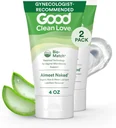 Good Clean Love Almost Naked Good Clean Love GFPFpHLS | 4.8 | Natural & Organic | Sensitive Skin, pH Balance | |
#2 Pink Silicone Lubricant for Women Pink GFPFpHLS | 4.5 | Silicone-Based | Women, Gentle formula | |
#3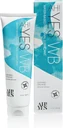 Sylk Natural Lubricant Sylk GFPFpHLS | 4.5 | Natural & Organic | Unique ingredients, Natural preference |
Understanding Postpartum Changes
Hormonal Shifts: The Estrogen Crash
After delivery, estrogen levels plummet dramatically—sometimes to menopausal levels within 24-48 hours. This rapid decline is one of the most significant hormonal shifts in a woman's life. Estrogen is essential for maintaining vaginal tissue health: it stimulates the production of vaginal secretions, maintains tissue thickness and elasticity, supports healthy blood flow to genital tissue, and promotes glycogen production that feeds protective Lactobacillus bacteria.
Breastfeeding Effects: Prolonged Hormonal Suppression
Breastfeeding prolongs low estrogen states because prolactin—the hormone responsible for milk production—actively suppresses estrogen production. This is the body's natural mechanism to prevent [pregnancy](/guide/best-lube-for-pregnancy) during exclusive breastfeeding (lactational amenorrhea). However, it also means that breastfeeding mothers experience more severe and prolonged vaginal dryness than those who formula feed.
Physical Recovery from Delivery
Depending on your delivery type and any complications, tissue may be healing from:
Pelvic Floor Changes
The pelvic floor muscles undergo tremendous strain during pregnancy and vaginal delivery. These muscles directly affect sexual sensation, vaginal tone, and arousal response. Common postpartum pelvic floor changes include:
Psychological and Emotional Factors
Physical changes only tell part of the story. Postpartum emotional shifts profoundly affect intimate desire and comfort:
Timeline Expectations
Most healthcare providers recommend waiting at least 6 weeks before resuming intercourse, but many women are not ready until 3-6 months postpartum—and that is completely normal. There is no "right" timeline. Your readiness depends on physical healing, emotional wellbeing, hormonal status, and personal desire. Pressuring yourself to resume before you're truly ready can create negative associations that make future intimacy more difficult.
The postpartum body goes through extensive changes that affect intimate comfort. Understanding these changes helps you approach returning to intimacy with realistic expectations and appropriate tools.
Hormonal Shifts: The Estrogen Crash
After delivery, estrogen levels plummet dramatically—sometimes to menopausal levels within 24-48 hours. This rapid decline is one of the most significant hormonal shifts in a woman's life. Estrogen is essential for maintaining vaginal tissue health: it stimulates the production of vaginal secretions, maintains tissue thickness and elasticity, supports healthy blood flow to genital tissue, and promotes glycogen production that feeds protective Lactobacillus bacteria.
When estrogen drops, all of these protective functions decline simultaneously. The vaginal walls thin, become less elastic, produce less moisture, and become more susceptible to irritation and micro-tears during friction. The degree of dryness varies between individuals but can be severe enough to make penetration extremely painful or impossible without adequate lubrication.
Breastfeeding Effects: Prolonged Hormonal Suppression
Breastfeeding prolongs low estrogen states because prolactin—the hormone responsible for milk production—actively suppresses estrogen production. This is the body's natural mechanism to prevent pregnancy during exclusive breastfeeding (lactational amenorrhea). However, it also means that breastfeeding mothers experience more severe and prolonged vaginal dryness than those who formula feed.
The hormonal effects of breastfeeding on vaginal tissue include: - Estrogen levels comparable to or lower than postmenopausal women - Vaginal tissue that becomes thin, pale, and fragile - Reduced or absent natural lubrication during arousal - Increased vaginal pH (less acidic), raising infection risk - Reduced blood flow to genital tissue, affecting arousal response - These changes persist throughout breastfeeding and typically resolve 1-3 months after weaning
Physical Recovery from Delivery
Depending on your delivery type and any complications, tissue may be healing from: - Vaginal tears (occurring in up to 85% of first vaginal births) - Episiotomy incisions and sutures - Perineal trauma and swelling - Abdominal surgery (cesarean section) - Pelvic floor muscle stretching and potential injury - Bruising and inflammation of vaginal walls from delivery
Pelvic Floor Changes
The pelvic floor muscles undergo tremendous strain during pregnancy and vaginal delivery. These muscles directly affect sexual sensation, vaginal tone, and arousal response. Common postpartum pelvic floor changes include: - Muscle weakness leading to reduced sensation during intimacy - Hypertonic (overly tight) muscles from guarding, which causes pain - Altered proprioception (reduced awareness of pelvic floor engagement) - Possible pelvic organ prolapse in more severe cases - Urinary incontinence that can affect intimate confidence
Psychological and Emotional Factors
Physical changes only tell part of the story. Postpartum emotional shifts profoundly affect intimate desire and comfort: - Being "touched out" from constant baby contact—a very real and valid feeling - Sleep deprivation reducing desire and arousal capacity - Body image changes and self-consciousness - Hormonal mood changes including postpartum depression or anxiety - Identity shift as you adjust to parenthood - Fear of pain based on previous postpartum intimate experiences - Relationship dynamics shifting with new parenting roles
Timeline Expectations
Most healthcare providers recommend waiting at least 6 weeks before resuming intercourse, but many women are not ready until 3-6 months postpartum—and that is completely normal. There is no "right" timeline. Your readiness depends on physical healing, emotional wellbeing, hormonal status, and personal desire. Pressuring yourself to resume before you're truly ready can create negative associations that make future intimacy more difficult.
Why Lubricant Is Essential Postpartum
Understanding the science behind postpartum changes explains why lubricant is so crucial during this period and helps you choose the most effective products.
1The Estrogen-Lubrication Connection
Estrogen maintains vaginal tissue health through several mechanisms:
2Transudation
Estrogen promotes the seepage of plasma through vaginal walls, creating the primary source of vaginal moisture. When estrogen drops postpartum, this transudation decreases dramatically.
3Cervical mucus production
Estrogen stimulates cervical glands to produce mucus that contributes to vaginal lubrication. Postpartum estrogen loss reduces this production.
4Vaginal epithelium thickness
Estrogen maintains a thick, multi-layered vaginal wall that retains moisture. Without it, the epithelium thins to just a few cell layers—dry, fragile, and prone to tearing.
5Blood flow
Estrogen promotes vasodilation and blood flow to genital tissue, which is essential for arousal-based lubrication. Reduced blood flow means less arousal response.
6Glycogen production
Estrogen stimulates vaginal cells to produce glycogen, which feeds the protective Lactobacillus bacteria that maintain healthy pH and moisture levels.
7Why Breastfeeding Intensifies Dryness
Prolactin, necessary for milk production, actively suppresses estrogen through the hypothalamic-pituitary-gonadal axis. When prolactin levels are high (as they are during active breastfeeding), gonadotropin-releasing hormone (GnRH) is suppressed, which in turn suppresses follicle-stimulating hormone (FSH) and luteinizing hormone (LH), resulting in very low estrogen production.
8Healing Tissue Considerations
If you had vaginal tearing or an episiotomy, scar tissue may be less flexible than surrounding tissue for months after healing. This has important implications for lubricant use:
9The Arousal Gap
Even when desire is present, the arousal response may be significantly delayed or reduced postpartum. This means that foreplay that previously generated sufficient lubrication may no longer do so. This arousal gap is physiological (hormonal), not a reflection of desire or attraction. Understanding this helps both partners adjust expectations and incorporate lubricant as a normal, positive part of intimacy rather than a sign of inadequacy.
10Impact on Vaginal Microbiome
Postpartum hormonal changes also affect the vaginal microbiome. Reduced estrogen leads to decreased glycogen, which means less food for protective Lactobacillus bacteria. This can result in a shift toward a less protective bacterial community, raising the risk of bacterial vaginosis and yeast infections. Choosing pH-balanced lubricants that support the microbiome becomes especially important during this vulnerable period.
11The Role of Oxytocin
Breastfeeding triggers oxytocin release, which causes milk letdown but can also cause uterine contractions. Some women find that arousal during breastfeeding periods triggers milk letdown, which can be surprising and potentially embarrassing. This is a normal physiological response and doesn't indicate anything inappropriate—it's simply the body's oxytocin system responding. Wearing a supportive bra and using breast pads during intimacy can help manage this.
Complete Ingredient Guide
Ingredient Safety Chart for Postpartum
Purified Water
Safe, simple base ingredient
Hyaluronic Acid
Excellent for tissue hydration and healing support
Aloe Vera
Soothing, supports healing, safe while breastfeeding
Vitamin E
Supports tissue healing, safe at lubricant levels
Dimethicone
Protective barrier, safe while breastfeeding
Lactic Acid
Supports healthy pH, naturally occurring
Hydroxyethylcellulose
Neutral thickener, safe during breastfeeding
Glycerin
Safe but may promote yeast infections—postpartum risk is elevated
Propylene Glycol
May irritate healing tissue, use with caution
Parabens
Avoid during breastfeeding—potential endocrine disruption concerns
Fragrances
Can irritate sensitive postpartum tissue
Warming Agents
Too harsh for healing tissue, may cause burning
Spermicides
Irritating and disruptive to recovering flora
Chlorhexidine
Kills beneficial bacteria during microbiome recovery
Lubricant Types Compared
Lubricant Types for Postpartum
Water-Based (Moisturizing)
Sensitivity Rating
5/5 for sensitive skin
Pros:
- + Gentle on healing tissue
- + Easy cleanup when exhausted
- + Safe for breastfeeding
- + Hydrating formulas available with hyaluronic acid
- + Compatible with all condoms and toys
- + Non-staining for easy laundry
Cons:
- − May need reapplication during extended sessions
- − Some contain glycerin (check labels)
- − Quality varies widely between brands
Best for: Most postpartum women, especially those still healing from delivery
Silicone-Based
Sensitivity Rating
4/5 for sensitive skin
Pros:
- + Very long-lasting—reduces reapplication disruptions
- + Protective barrier for fragile tissue
- + Safe for breastfeeding
- + Hypoallergenic with minimal ingredients
- + Excellent for shower/bath intimacy
Cons:
- − Not compatible with silicone toys
- − Requires soap for cleanup (more effort)
- − May feel too slippery for some
Best for: Those past initial healing who need long-lasting lubrication and minimal interruptions
Hybrid
Sensitivity Rating
4/5 for sensitive skin
Pros:
- + Longer lasting than water-based alone
- + Easier cleanup than pure silicone
- + Some offer hydrating benefits
- + Good balance of performance properties
Cons:
- − Check ingredients carefully for irritants
- − May not work with silicone toys
- − Fewer options specifically designed for postpartum
Best for: Balance of hydration and longevity for everyday postpartum use
What to Look For Postpartum
Hydrating Ingredients
Look for hyaluronic acid, aloe vera, and vitamin E that support tissue hydration and healing beyond just lubrication. Hyaluronic acid is especially valuable—it holds up to 1000x its weight in water and supports tissue repair at the cellular level. These ingredients address both immediate comfort and long-term tissue health.
pH Balanced Formula (3.8-4.5)
Postpartum pH can be disrupted, especially after antibiotic use during delivery. Products balanced for vaginal pH (3.8-4.5) support healthy flora recovery and reduce infection risk. This is particularly important because the postpartum microbiome is in a vulnerable rebuilding phase.
Breastfeeding Safe
If nursing, choose products without hormones, parabens, or ingredients that could potentially affect milk supply or baby. Standard lubricant ingredients (water, silicone, hyaluronic acid) are not absorbed systemically in meaningful amounts and do not affect breast milk. Avoid products with estrogen unless specifically prescribed.
Gentle, Simple Formula
Healing tissue is extra sensitive—even ingredients that were well-tolerated before delivery may now cause irritation. Choose products with minimal, non-irritating ingredients—ideally 5-8 ingredients maximum. Test any new product on your inner forearm for 24 hours before intimate use.
Good Viscosity (Thick Gel)
Thicker formulas stay in place better and provide more cushioning for tissue that may still be tender. Thin, runny lubricants don't provide adequate cushioning for healing scar tissue and can make a mess when you're already dealing with postpartum discharge and pad use.
Easy-to-Use Packaging
With a baby who might wake at any moment, ease of use matters. Pump bottles allow one-handed dispensing. Avoid fiddly screw caps or single-use packets that require two hands and fine motor skills at potentially sleep-deprived moments.
What to Avoid Postpartum
- Warming or cooling ingredients (too intense for healing tissue—can cause burning and pain)
- Fragrances and dyes (common irritants that serve no functional purpose)
- Parabens (potential endocrine disruption concerns during breastfeeding)
- Spermicides like nonoxynol-9 (highly irritating to recovering tissue)
- High osmolality formulas (can damage sensitive, estrogen-depleted tissue)
- Products with hormones unless prescribed by your OB-GYN
- Anything that causes stinging or burning (stop immediately and try another product)
- Glycerin if prone to yeast infections (postpartum yeast risk is elevated)
- Essential oils—many are not tested for safety during breastfeeding
- DIY remedies like coconut oil if using latex condoms for contraception
Common Myths Debunked
Common Myths About Postpartum Intimacy
Sex should feel normal again after 6 weeks
The 6-week clearance is a minimum for healing, not a guarantee that everything feels normal. Most healthcare providers give clearance at 6 weeks if the cervix is closed and major wounds have healed, but this doesn't mean you should feel ready or that sex will be comfortable. Many women need 3-6 months or longer, especially if breastfeeding. Some report that truly comfortable, enjoyable sex doesn't return until after weaning.
Needing lubricant postpartum means something is wrong
Needing lubricant postpartum is completely normal, expected, and physiologically inevitable—especially while breastfeeding. Your estrogen levels are comparable to a menopausal woman's. You wouldn't tell a menopausal woman something is 'wrong' because she needs lubricant. The same physiology applies postpartum. Think of lubricant as a necessary tool, like prenatal vitamins during pregnancy.
Lubricant is only needed for the first few times after birth
Many breastfeeding mothers need lubricant throughout the entire nursing period—which may be 12-24 months or longer. The need often continues until hormones fully normalize after weaning, which takes an additional 1-3 months. Some women find they continue using lubricant even after hormones normalize because they've discovered it enhances intimacy.
C-section moms do not experience vaginal dryness
Vaginal dryness is caused by hormonal changes (specifically estrogen decline), not vaginal delivery. C-section mothers experience the exact same hormone-related dryness as those who delivered vaginally. The placenta—the source of pregnancy hormones—is removed regardless of delivery method, triggering the same estrogen crash.
If I'm not interested in sex postpartum, something is wrong with my relationship
Reduced libido postpartum is hormonally driven and completely normal. Prolactin (the breastfeeding hormone) naturally suppresses desire as an evolutionary mechanism. Add sleep deprivation, the physical demands of infant care, body image adjustment, and being touched-out from constant baby contact—low desire is the expected response, not a relationship problem.
My partner should understand I don't need lubricant if I'm attracted to them
Postpartum dryness has absolutely nothing to do with attraction or arousal. It's a direct physiological consequence of low estrogen. Even with high desire and effective foreplay, the body may simply not produce adequate lubrication due to hormonal suppression. Both partners should understand this is biology, not psychology.
Timeline: Returning to Intimacy Postpartum
Every woman's timeline is different, and there is no "right" speed for returning to intimacy. This framework provides general guidance, but always listen to your body and communicate with your partner.
Weeks 1-6: Recovery Period
Focus entirely on healing. Most providers recommend no penetrative intercourse during this time regardless of delivery type. This allows the cervix to close, wounds to heal, and the uterus to return to normal size. However, non-penetrative intimacy—cuddling, massage, emotional connection—can help maintain your bond with your partner during this period.
Physical changes during this period: - Lochia (postpartum bleeding) is normal and can last 4-6 weeks - Perineal swelling and tenderness gradually resolves - C-section incision healing continues internally for weeks - Pelvic floor muscles begin recovery
Weeks 6-12: First Attempts
After receiving medical clearance at your 6-week checkup, you may begin to explore penetrative intimacy—but go very slowly. This phase is about rediscovery, not performance.
Practical tips for first postpartum sex: - Use generous amounts of lubricant—much more than you think you need - Expect that things may feel different—both physically and emotionally - Start with non-penetrative activities and progress only when comfortable - Choose positions that give you control over depth and speed - Communicate constantly—tell your partner what feels good and what doesn't - Stop immediately if you experience significant pain - It's perfectly normal if your first attempt isn't "successful"—try again another time - Consider timing when the baby has just been fed and is likely to sleep
Months 3-6: Finding New Normal
Many women begin to feel more comfortable during this period, though breastfeeding mothers often still need generous lubricant. You may notice: - Gradually increasing comfort with penetration - More predictable lubrication patterns (still likely inadequate without supplemental lubricant) - Better understanding of what positions work best postpartum - Increased confidence as healing progresses - Scar tissue becoming more flexible
6+ Months: Continued Journey
If breastfeeding, dryness may persist throughout nursing. If not breastfeeding, hormones typically normalize and natural lubrication may improve. Continue using lubricant as needed—there's no timeline for when you "should" stop needing it.
After Weaning
Hormones typically normalize 1-3 months after weaning. Many women notice a significant improvement in natural lubrication within weeks of weaning. However, some find that the postpartum period has changed their baseline—they may need lubricant occasionally even after hormones fully recover. This is normal variation, not a problem.
Partner Communication Throughout
At every stage, open communication with your partner is essential. Share what feels good, what doesn't, and what you need both physically and emotionally. Partners who understand the physiological basis for postpartum changes are better equipped to be patient and supportive.
When to See a Healthcare Provider
Contact your OB-GYN or midwife if you experience:
- Pain that does not improve with adequate lubricant and gentle approach after several attempts - Burning or stinging that persists hours or days after sex - Bleeding during or after intercourse (beyond light spotting in early postpartum) - Signs of infection (unusual discharge, strong odor, itching, fever) - Feelings of pressure or bulging (possible pelvic organ prolapse—affects up to 50% of women after vaginal delivery to some degree) - Severe dryness that significantly impacts quality of life despite using quality lubricant - Pain at episiotomy or tear site that has not resolved by 3 months - Emotional distress about returning to intimacy or persistent fear of pain - Symptoms of postpartum depression or anxiety affecting your relationship - Urinary incontinence during intimacy - Persistent pain with specific positions or types of touch - No improvement in comfort after 6+ months postpartum
Specialist Referrals to Request
- Pelvic floor physical therapy (can be incredibly helpful for pain, weakness, and hypertonic muscles)
- Sexual health counselor or therapist specializing in postpartum issues
- Gynecologist if your primary OB isn't addressing intimate health concerns
- Lactation consultant if breastfeeding-related dryness is severe and you want to discuss options
Questions to Ask Your Provider
- Is my healing progressing normally?
- Should I try vaginal estrogen for severe dryness during breastfeeding?
- Would pelvic floor physical therapy help my symptoms?
- Are my pain symptoms likely to resolve with time, or do I need intervention?
- Is it safe to use vaginal moisturizers regularly between intimate activities?
Expert Tip
Do not rush returning to intimacy. Your body has been through an extraordinary experience, and healing takes time that varies for every individual. When you are ready, use generous amounts of lubricant—more than you think you need—go slowly, and communicate openly with your partner. Products with hyaluronic acid provide excellent hydration for postpartum tissue and support healing. Consider using a vaginal moisturizer 2-3 times weekly in addition to lubricant during intimacy for comprehensive tissue support.
Related Guides & Resources
Best Lube for Pregnancy
Safe options during pregnancy.
Best Lube for Dryness
Combat dryness effectively.
Best Lube for Sensitive Skin
Gentle formulas.
Best Lube for Menopause
Similar hormonal dryness solutions.
Best Lube for Vaginismus
Support for pelvic floor tension.
Best Lube for First Timers
Gentle introduction guidance.
Water-Based Lubricants
Gentle, easy-cleanup options.
Natural & Organic Lubricants
Plant-based options.
Silicone-Based Lubricants
Long-lasting formulas.
Good Clean Love vs Sliquid
Popular gentle brands compared.
Frequently Asked Questions
Explore All 37+ Lubricant Guides
Browse our complete buyer's guide hub with guides organized by health conditions, activities, relationships, and preferences.
View Complete Buyer's GuideRelated Guides
Best Lube for Pregnancy
Safe, gentle formulas for every trimester
Best Lube for Dryness
Long-lasting, moisturizing formulas that restore comfort
Best Lube for Menopause
Restore comfort and pleasure during hormonal changes
Best Lube for Trying to Conceive
Fertility-friendly formulas that support your journey
Best Lube for Sensitive Skin
Gentle, hypoallergenic formulas that won't irritate
Best Lube for Toys
Safe, compatible formulas for every toy material