Best Lubricants for Erectile Dysfunction
Formulas that enhance sensation and support intimate confidence
 Dr. Sarah ChenMD, OB-GYN, FACOG
Erectile dysfunction affects millions of men and their partners, impacting confidence and intimacy. While lubricants cannot cure ED, the right formula can significantly enhance the sexual experience for both partners by reducing performance anxiety, improving sensation, and supporting erection maintenance during intimacy.
Erectile dysfunction affects millions of men and their partners, impacting confidence and intimacy. While lubricants cannot cure ED, the right formula can significantly enhance the sexual experience for both partners by reducing performance anxiety, improving sensation, and supporting erection maintenance during intimacy.
Many men with ED find that quality lubricants make a meaningful difference—reducing the friction that can cause erection loss, enhancing sensation when sensitivity is reduced, and creating a more relaxed, pleasurable experience. Some specialized formulas contain ingredients that may support blood flow and arousal.
This comprehensive guide explores how different lubricants can complement ED treatment, which ingredients to look for, and which products our testing found most effective for men experiencing erectile challenges.
**The Scale of ED and Its Impact** Erectile dysfunction is far more common than most people realize. The Massachusetts Male Aging Study—one of the most comprehensive studies on male sexual health—found that 52% of men between 40 and 70 experience some degree of ED. The condition affects an estimated 30 million men in the United States alone, and global prevalence is projected to reach 322 million by 2025.
Yet despite its prevalence, ED remains shrouded in stigma. Many men suffer silently, avoiding medical consultation and withdrawing from intimate relationships rather than addressing the issue. This silence has consequences—not only for the men affected but for their partners and relationships.
**Why Lubricant Matters More Than You Think for ED** While lubricant cannot cure ED, its role in ED management is significantly underappreciated. Consider the cascade that often occurs: 1. A man experiences difficulty achieving or maintaining an erection 2. Performance anxiety develops, making subsequent episodes more likely 3. The couple reduces foreplay and rushes to penetration (fearing erection loss) 4. Insufficient lubrication creates friction and discomfort for both partners 5. The negative experience reinforces avoidance and anxiety
Quality lubricant interrupts this cycle at multiple points. It provides reliable physical comfort regardless of natural lubrication levels, reduces the urgency to penetrate before the erection fades, enables extended foreplay that can support erection quality, and creates a more relaxed, pleasure-focused environment.
**The Intersection of ED and Partner Health** ED doesn't exist in a vacuum—it affects both partners. Partners of men with ED often experience: - Reduced natural lubrication due to shortened foreplay or anxiety - Self-blame or questions about their attractiveness - Their own arousal difficulties from the stressful dynamic - Reluctance to initiate intimacy - Grief for the intimate relationship they previously enjoyed
Quality lubricant serves both partners simultaneously—ensuring physical comfort for the receiving partner while reducing performance pressure on the partner with ED.
**Medical Context: ED as a Health Indicator** Urologists increasingly recognize ED as an early warning sign for cardiovascular disease. The blood vessels in the penis are smaller than coronary arteries, so atherosclerotic changes often manifest as ED 3-5 years before heart attack or stroke risk becomes apparent. Men presenting with ED should receive cardiovascular screening—this makes ED a potentially life-saving diagnostic signal rather than merely a quality-of-life concern.
Common health conditions associated with ED: - Cardiovascular disease (atherosclerosis, hypertension) - Diabetes mellitus (both Type 1 and Type 2) - Metabolic syndrome and obesity - Hormonal disorders (hypogonadism, thyroid dysfunction) - Neurological conditions (multiple sclerosis, Parkinson's) - Prostate cancer treatment side effects - Depression and anxiety disorders - Medication side effects (antidepressants, antihypertensives, antiandrogens)
**Understanding the Neurovascular Mechanism** Erection is a neurovascular event requiring precise coordination between the nervous system and blood vessels. When sexual stimulation occurs, parasympathetic nerves release nitric oxide (NO), which activates guanylate cyclase in smooth muscle cells. This produces cyclic GMP (cGMP), causing smooth muscle relaxation in the corpus cavernosum. Blood flows in, compressing venous outflow, and the resulting engorgement creates erection. PDE5 inhibitors (Viagra, Cialis) work by blocking the enzyme that breaks down cGMP—extending the smooth muscle relaxation.
Lubricant's role in this mechanism is indirect but meaningful. By reducing the friction that causes discomfort or pain, quality lubricant allows the parasympathetic nervous system to remain dominant—sympathetic activation (triggered by pain, anxiety, or stress) directly opposes erection through norepinephrine release. Any intervention that reduces sympathetic activation—including adequate lubrication—supports the neurological conditions needed for erection maintenance.
**ED and Medication Interactions with Lubricants** Men taking PDE5 inhibitors should be aware of potential lubricant considerations: - Sildenafil (Viagra) and tadalafil (Cialis) do not interact chemically with any lubricant ingredients - However, men using nitroglycerin patches or nitrate medications should be cautious with any topical products—discuss with your cardiologist - Some men find that warming lubricants enhance the vasodilatory effects of PDE5 inhibitors, though this hasn't been studied clinically - Men using topical testosterone replacement should apply testosterone and lubricant to different areas and at different times to avoid interference with hormone absorption
**Related Guides for Sexual Wellness** Explore our couples guide, older couples intimacy, massage and foreplay, and condom compatibility. For related conditions, see our diabetes and sexual health, Peyronie's disease, and sensitive skin options. Browse our silicone-based lubricants, water-based options, or visit our buyers guide. Take our personalized quiz or explore our brand comparison.
Recommended Lubricant Types
Based on this guide, these lubricant categories are most relevant to your needs:
Our Top Picks for Erectile Dysfunction
Expert-selected products that meet these specific needs
| Product | Score | Type | Best For | |
|---|---|---|---|---|
#1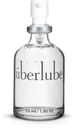 Überlube Luxury Lubricant Überlube GFPFpHLS | 4.9 | Silicone-Based | Extended sessions, Anal play | |
#2 pjur ORIGINAL Bodyglide pjur GFPFpHLS | 4.8 | Silicone-Based | Marathon sessions, Anal intimacy | |
#3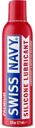 Swiss Navy Premium Silicone Swiss Navy GFPFpHLS | 4.7 | Silicone-Based | Everyday use, Budget-conscious buyers |
Understanding ED and How Lubricants Help
Common ED Causes
- Cardiovascular conditions affecting blood flow
How ED Affects Intimacy
Beyond the physical challenge, ED often creates:
The Lubricant Connection
Quality lubricants can help by:
Erectile dysfunction encompasses a range of challenges, from occasional difficulty achieving erection to complete inability to maintain one. Understanding how lubricants interact with ED can help you choose the right product.
Common ED Causes
- Cardiovascular conditions affecting blood flow - Diabetes and nerve damage - Hormonal imbalances (low testosterone) - Medications (antidepressants, blood pressure drugs) - Psychological factors (anxiety, stress, depression) - Age-related changes - Prostate conditions or surgery
How ED Affects Intimacy
Beyond the physical challenge, ED often creates: - Performance anxiety that worsens the problem - Reduced spontaneity and increased pressure - Partner concerns about desirability - Avoidance of intimacy altogether - Relationship strain and communication challenges
The Lubricant Connection
Quality lubricants can help by: - Reducing friction that may cause erection loss - Enhancing sensation when sensitivity is reduced - Decreasing performance pressure through reliable lubrication - Supporting extended foreplay while maintaining erection - Creating a more relaxed, pleasure-focused experience
How Lubricants Can Support Men with ED
While lubricants are not medical treatments for ED, they can provide meaningful support during intimacy.
1Reducing Friction-Related Erection Loss
Insufficient lubrication creates friction that can cause discomfort and erection loss. Adequate lubrication allows for smoother movement and reduced physical stress on the erection.
2Enhancing Sensation
Men with ED, especially those with diabetes or nerve damage, may experience reduced penile sensitivity. Quality lubricants can:
3The Role of Temperature in Sensation Enhancement
For men with reduced penile sensitivity, the thermal conductivity of different lubricant types can provide additional sensory input. Water-based lubricants initially feel cool on skin (due to evaporative cooling) before warming to body temperature—this temperature change activates thermoreceptors that provide additional sensory feedback. Silicone lubricants maintain a more neutral temperature. Some men with ED find that this temperature variation from water-based products provides helpful additional stimulation.
4Decreasing Performance Anxiety
Knowing that lubrication is handled removes one variable from the equation. This can reduce anxiety and allow focus on pleasure rather than logistics.
5Supporting Medication Effectiveness
For men using ED medications:
6Arousal-Enhancing Ingredients
Some lubricants contain ingredients that may support blood flow:
7The Neurovascular Mechanism of Erection and How Lubricant Helps
Understanding erection physiology explains why lubricant is therapeutically useful:
8Reducing friction threshold
A partially rigid penis can achieve comfortable penetration with adequate lubrication, even when it wouldn't be possible without it
9Maintaining what erection exists
Friction and the effort of dry penetration can cause erection loss; lubricant preserves whatever rigidity is achieved
10Supporting venous retention
The relaxing effect of reduced performance anxiety may actually help maintain venous occlusion
11Medication Interactions and Lubricant
Men with ED often use PDE5 inhibitors (Viagra, Cialis, Levitra) or other treatments. Lubricant considerations with common ED treatments:
12PDE5 Inhibitors (sildenafil, tadalafil, vardenafil)
Fully compatible with all lubricant types. Lubricant actually enhances medication effectiveness by ensuring comfortable penetration during the medication's active window
13Alprostadil (Caverject, MUSE)
Injectable or urethral suppository. Wait for medication absorption before applying lubricant internally. External lubricant is fine
14Testosterone replacement
No interaction with lubricant. However, testosterone gel on skin could transfer to partner—apply lubricant to avoid skin contact with application sites
15Vacuum erection devices (VED)
Lubricant helps create the seal between the device and skin, and is essential for comfortable intercourse after achieving erection with the device
16Penile implants
Post-surgical healing requires specific timeline. Once cleared, generous lubricant supports comfortable use of the implant
17Psychological Approaches and Lubricant as a Tool
Sex therapists often incorporate lubricant into treatment plans for ED:
18Sensate focus exercises
Masters and Johnson's technique involves non-goal-oriented touch, where lubricant enables smooth, pleasurable exploration without penetration pressure
19Mindfulness-based approaches
Reducing cognitive distraction during intimacy; having lubricant ready eliminates one source of planning anxiety
20Graduated exposure
For performance anxiety, gradually increasing intimate contact with guaranteed comfort (via lubricant) builds positive associations
Complete Ingredient Guide
Ingredients for ED Support
L-Arginine
Supports nitric oxide production, may enhance blood flow
Ginseng Extract
Traditional aphrodisiac, may support arousal
Maca Root
May support libido and energy
Vitamin E
Antioxidant, supports tissue health
Aloe Vera
Soothing, moisturizing base ingredient
Mild Menthol
Stimulating but may irritate sensitive skin
Niacin
May cause flushing, supports circulation
Benzocaine/Lidocaine
Numbing reduces sensation—counterproductive for ED
Strong Warming Agents
Can cause discomfort and distraction
Glycerin
May cause partner irritation, sticky residue
Lubricant Types Compared
Lubricant Types for ED
Water-Based
Sensitivity Rating
4/5 for sensitive skin
Pros:
- + Compatible with all condoms
- + Can contain arousal ingredients
- + Easy cleanup
- + Good for oral activities
Cons:
- − May need reapplication
- − Can dry out during extended sessions
- − Quality varies significantly
Best for: Versatility, condom use, oral intimacy
Silicone-Based
Sensitivity Rating
5/5 for sensitive skin
Pros:
- + Exceptional lasting power
- + Very slippery texture
- + Hypoallergenic
- + Great for extended sessions
Cons:
- − Cannot contain water-soluble arousal ingredients
- − Harder cleanup
- − Not for silicone toys
Best for: Lasting lubrication, reduced reapplication anxiety
Hybrid
Sensitivity Rating
4/5 for sensitive skin
Pros:
- + Good lasting power
- + Can contain some beneficial ingredients
- + Easier cleanup than pure silicone
- + Versatile use
Cons:
- − May not be toy-safe
- − Fewer arousal-focused formulas available
Best for: Balance of longevity and versatility
What to Look For in an ED-Friendly Lubricant
Long-Lasting Formula
Extended intimacy is often beneficial for men with ED, allowing time for arousal to build. Choose lubricants that maintain slipperiness without frequent reapplication to reduce interruptions and performance pressure.
Sensation-Enhancing Properties
For men with reduced sensitivity, lubricants with mild stimulating properties can help. Look for gentle warming or tingling formulas—but avoid intense sensations that distract from pleasure.
Clean, Non-Irritating Formula
Partner comfort is essential for relaxed intimacy. Choose glycerin-free, pH-balanced formulas that won't cause partner irritation or require stopping due to discomfort.
Quality Texture
The best ED-friendly lubricants have a silky, luxurious texture that enhances pleasure. Avoid thin, watery formulas that provide inadequate sensation or thick formulas that feel medicinal.
Condom Compatibility
If using condoms with ED, water-based or silicone-based lubricants are essential. Oil-based products damage latex and can cause condom failure.
Discrete Packaging
For men who feel self-conscious about ED, discrete packaging and presentation can reduce embarrassment and improve the experience.
What to Avoid with ED
- Numbing or desensitizing ingredients (benzocaine, lidocaine)—these reduce sensation you need
- Extremely intense warming or cooling agents that distract from arousal
- Cheap formulas with irritating ingredients that may cause partner discomfort
- Products that require frequent reapplication and interrupt intimacy
- Petroleum-based products if using condoms
- Strong fragrances that feel medicinal or clinical
- Overpromising 'enhancement' products with unproven claims
Common Myths Debunked
Common Myths About ED and Lubricants
Real men don't need lubricant
This harmful myth causes unnecessary suffering. Natural lubrication varies based on age, hydration, hormones, and arousal level. Using lubricant is simply practical—it enhances pleasure for everyone regardless of erectile function. Many couples without any sexual dysfunction use lubricant regularly.
Lubricant can cure erectile dysfunction
Lubricants cannot cure ED, which typically has physiological or psychological causes requiring medical treatment. However, quality lubricants can significantly improve the intimate experience by reducing friction, enhancing sensation, and decreasing performance anxiety.
If he needs lubricant, I'm not attractive enough
ED and lubrication needs have nothing to do with partner attractiveness. Many factors affect erection and natural lubrication—stress, medications, health conditions, fatigue. Partners should understand that lubricant use is about enhancing pleasure, not compensating for attraction.
Desensitizing lubricants help with ED
The opposite is often true. Men with ED typically need MORE sensation, not less. Numbing lubricants can make erection maintenance more difficult by reducing the stimulation needed for arousal. Avoid desensitizing products unless specifically recommended by a doctor.
ED means the end of a satisfying sex life
Many men with ED maintain fulfilling intimate relationships. Lubricants, ED medications, communication, and exploring different forms of intimacy can all contribute to satisfying experiences. The key is addressing the issue rather than avoiding intimacy altogether.
Tips for Couples Managing ED
Using lubricant effectively as part of ED management involves both practical techniques and relationship approaches. ED is fundamentally a couple's issue—it affects both partners emotionally and physically, and the most successful management strategies involve both partners working together rather than the man managing it alone.
Understanding the Performance Anxiety Loop
Performance anxiety is both a cause and consequence of ED, creating a self-reinforcing cycle that can be difficult to break without intervention. The cycle typically follows this pattern: an initial ED episode creates anxiety about future performance, which triggers sympathetic nervous system activation (fight-or-flight response) during subsequent encounters, which constricts blood flow to the penis, which causes another ED episode, which deepens the anxiety. Quality lubricant interrupts this cycle at a practical level by ensuring that whatever degree of erection is achieved can be used effectively, reducing the all-or-nothing pressure that feeds performance anxiety.
The Sensate Focus Technique and Lubricant
Sex therapists frequently recommend sensate focus exercises for couples managing ED. This structured approach involves progressing through stages of non-demanding touch, gradually reintroducing intimate contact without the pressure of achieving erection or orgasm. Lubricant plays a natural role in these exercises—particularly during the later stages that involve genital touch—by enhancing sensation and reducing the clinical feeling that can accompany therapeutic exercises.
Creating the Right Environment
- Remove time pressure—extended foreplay benefits erection quality by allowing the parasympathetic nervous system to activate - Have lubricant easily accessible to avoid interruptions—a pump bottle on the nightstand eliminates fumbling - Communicate openly about what feels good and what doesn't - Focus on pleasure rather than performance goals—redefining "success" reduces anxiety dramatically
Application Techniques
- Apply lubricant during foreplay, not just before penetration - Use lubricant for manual stimulation to build arousal - Reapply as needed without making it a significant interruption - Include partner in application as part of intimacy
Combining with ED Treatment
- Allow time for ED medications to work before intimate activity - Use lubricant to enable comfortable penetration when erection occurs - Lubricant supports extended sessions as medications allow
Communication Tips
- Discuss lubricant preferences together - Share what sensations feel best - Remove stigma by treating lubricant as enhancement, not necessity - Be patient and supportive during adjustment periods
When to Seek Help
- If ED persists despite lubricant and medication - If relationship strain is significant - If psychological factors dominate - If you haven't consulted a urologist or sexual medicine specialist
Expert Tip
For men with ED, focus on lubricants that enhance sensation rather than numb it. Silicone-based formulas are often ideal because they last through extended foreplay and intimacy without reapplication. Avoid performance-focused 'enhancement' products with aggressive ingredients—quality and comfort matter more than gimmicks.
Related Guides & Resources
Best Lube for Older Couples
Solutions for age-related intimate changes
Best Lube for Couples
Enhancing intimacy together
Best Lube for Sensitive Skin
Gentle options for sensitive areas
Best Lube for Menopause
Options for partners with dryness
Best Lube for Peyronie's Disease
Managing intimacy with penile curvature
Silicone vs Water-Based
Which type lasts longer?
Silicone-Based Lubricants
Long-lasting formulas for extended sessions
Frequently Asked Questions
Explore All 37+ Lubricant Guides
Browse our complete buyer's guide hub with guides organized by health conditions, activities, relationships, and preferences.
View Complete Buyer's GuideRelated Guides
Best Lube for Peyronie's Disease
Gentle, long-lasting formulas for comfortable intimacy
Best Lube for Older Couples
Long-lasting, gentle formulas for mature intimacy
Best Lube for Couples
Versatile formulas that enhance every intimate moment
Best Lube for Diabetes
Glycerin-free formulas that protect blood sugar balance and prevent infections
Best Lube for Sensitive Skin
Gentle, hypoallergenic formulas that won't irritate
Best Lube for Toys
Safe, compatible formulas for every toy material