Best Lubricants for Dryness
Long-lasting, moisturizing formulas that restore comfort
 Dr. Sarah ChenMD, OB-GYN, FACOG
Top 10 Lubricants for Dryness
Quick rankings with ratings, key specs, and direct affiliate buttons.
| Product | Score | Type | Best For | Glycerin-Free | Paraben-Free | pH Balanced | Latex Safe | |
|---|---|---|---|---|---|---|---|---|
#1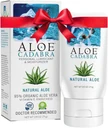 Aloe Cadabra Natural Aloe Cadabra | 4.8 | Water-Based | Natural lifestyle, Sensitive skin | |||||
#2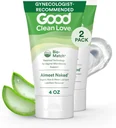 Good Clean Love Almost Naked Good Clean Love | 4.8 | Natural & Organic | Sensitive Skin, pH Balance | |||||
#3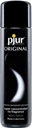 EROS Original Bodyglide EROS | 4.7 | Silicone-Based | European quality, Premium experience | |||||
#4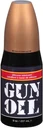 Gun Oil Force Recon Hybrid Gun Oil | 4.7 | Specialty & Sensation | Men, Extended sessions | |||||
#5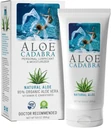 Aloe Cadabra Organic Lubricant Aloe Cadabra | 4.6 | Natural & Organic | Vaginal Dryness, Menopause | |||||
#6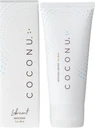 Coconu Oil-Based Organic Lubricant Coconu | 4.6 | Natural & Organic | Massage, Moisturizing | |||||
| #7 Coconu Organic Coconut Oil Lubricant Coconu | 4.6 | Natural & Organic | Coconut oil fans, Moisturizing | |||||
#8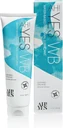 Sylk Natural Lubricant Sylk | 4.5 | Natural & Organic | Unique ingredients, Natural preference | |||||
#9 Please Cream Lubricant Empowered Products | 4.4 | Water-Based | Creamy texture fans, Moisturizing | |||||
| #10 Bee Naturals Organic Lubricant Bee Naturals | 4.4 | Natural & Organic | Bee products fans, Natural moisturizing |
The Complete Guide
Vaginal dryness occurs when the vaginal tissues do not produce enough natural lubrication. This can happen at any age and for various reasons, though it becomes more common with hormonal changes. Understanding the underlying causes helps you choose the most effective lubricant solution and determine if additional treatment may be beneficial.
The most common cause of vaginal dryness is declining estrogen levels. Estrogen maintains vaginal tissue health, thickness, elasticity, and moisture production. When estrogen levels drop, the vaginal walls become thinner, less elastic, and produce less natural lubrication. Conditions that affect estrogen include:
- Menopause and perimenopause (the most common cause)
- Breastfeeding (prolactin suppresses estrogen)
- Certain cancer treatments (chemotherapy, radiation to the pelvis)
- Surgical removal of ovaries (surgical menopause)
- Some hormonal birth control methods
- Anti-estrogen medications for breast cancer or endometriosis
- Premature ovarian insufficiency
Many other factors can contribute to dryness, even in people with normal hormone levels:
- Dehydration (adequate water intake is essential for all bodily fluids)
- Certain medications including antihistamines, antidepressants, blood pressure medications, and some cold medications
- Sjögren's syndrome and other autoimmune conditions affecting moisture-producing glands
- Stress and anxiety (which affect hormone balance and blood flow to intimate areas)
- Insufficient arousal or foreplay before intimacy
- Douching or using harsh soaps (disrupts the vaginal microbiome)
- Smoking (affects blood flow and hormone levels)
- Diabetes (can affect nerve function and blood flow)
- Radiation therapy to the pelvic region
Dryness often comes with additional tissue changes that compound the problem:
- Thinning of vaginal walls (atrophy)
- Reduced elasticity and resilience
- Increased sensitivity to friction
- Higher susceptibility to micro-tears and irritation
- Changes to vaginal pH affecting healthy bacteria
- Decreased blood flow to vaginal tissues
- Narrowing and shortening of the vaginal canal
It is important to distinguish between insufficient arousal and chronic dryness. Natural lubrication occurs as part of the arousal response, but hormonal and medical factors can reduce this response regardless of mental arousal. Many people feel adequately aroused mentally but still experience physical dryness. Understanding this disconnect helps remove self-blame and focuses attention on finding solutions. Learn more about the importance of adequate lubrication in our couples guide.
Vaginal dryness affects more than just sexual activity. Many people experience:
- Discomfort during exercise or prolonged sitting
- Irritation from underwear or tight clothing
- Increased susceptibility to urinary tract infections
- General discomfort throughout the day
- Impact on emotional well-being and body image
- Strain on intimate relationships
Understanding your specific cause helps you choose the most effective lubricant solution and determine whether additional medical treatment might be beneficial.
Good Clean Love
Good Clean Love Almost Naked
Good Clean Love Almost Naked is a certified organic personal lubricant made with 95% organic ingredients.
Not all lubricants moisturize equally. Understanding the science behind lubricant formulations helps you choose products that provide lasting relief rather than just temporary slipperiness. The distinction between lubricants that help versus harm tissue hydration comes down to three key factors: humectant quality, osmolality, and barrier function.
Humectants are ingredients that attract and hold water molecules. They work by creating a concentration gradient that pulls moisture from the environment and deeper skin layers to the surface, where it provides hydration and comfort. Effective humectants in lubricants include:
- Hyaluronic acid (can hold up to 1000 times its weight in water, making it exceptionally effective—a single gram can hold six liters of water at the molecular level)
- Glycerin (effective but can cause issues for some individuals, especially those prone to yeast infections, and significantly increases osmolality)
- Aloe vera gel (soothing and hydrating with additional anti-inflammatory and tissue-healing properties)
- Propanediol (a gentler, plant-derived alternative to propylene glycol with good moisturizing properties and lower irritation potential)
- Sodium PCA (the sodium salt of pyrrolidone carboxylic acid, naturally found in skin's own natural moisturizing factor)
- Sodium hyaluronate (the salt form of hyaluronic acid with smaller molecular weight, allowing deeper tissue penetration for more effective hydration)
Emollients coat the tissue surface, reducing water loss and providing immediate smoothness. They fill in gaps between cells in the stratum corneum and create a protective barrier that prevents transepidermal water loss (TEWL)—the evaporation of moisture from tissue that contributes to ongoing dryness:
- Vitamin E (tocopherol—both emollient and antioxidant properties that protect tissue from oxidative stress)
- Jojoba oil (in oil-based products, closely mimics the structure of natural sebum)
- Plant-derived lipids and ceramides (actively repair the lipid matrix between cells)
- Shea butter and cocoa butter (in appropriate formulations for external use)
- Squalane (derived from olives, excellent for tissue conditioning with a light, non-greasy feel)
- Bisabolol (derived from chamomile, provides both emollient and anti-inflammatory benefits)
The concentration of dissolved particles in a lubricant (osmolality) significantly affects tissue moisture. This scientific concept is crucial for understanding why some lubricants help while others harm, and it is the single most important factor for those with chronic dryness:
- Hyperosmotic lubricants (high concentration, typically above 1200 mOsm/kg) actually draw water OUT of tissues through osmosis, potentially worsening dryness over time. Many popular commercial lubricants fall into this category—some exceeding 6,000 mOsm/kg, which is 20 times the concentration of body fluids. A 2012 study published in the journal PLOS ONE found that hyperosmolar lubricants caused significant epithelial cell damage within just one hour of exposure.
- Iso-osmotic lubricants (matching body fluids, approximately 260-380 mOsm/kg) maintain tissue hydration without drawing moisture out. These are ideal for regular use and will not contribute to progressive dryness. Products in this range include many Sliquid formulas and Good Clean Love Almost Naked.
- Hypo-osmotic lubricants (lower concentration) can add moisture to tissues by driving water into cells, though these are less common in commercial products.
For dryness, iso-osmotic or slightly hypo-osmotic formulas provide the best long-term results. The World Health Organization recommends lubricants have osmolality below 1200 mOsm/kg for vaginal use, but experts specializing in vulvovaginal health recommend even lower values for those with chronic dryness.
Some lubricants provide immediate slipperiness but leave tissues drier afterward—a phenomenon sometimes called "rebound dryness." This occurs because hyperosmolar lubricants draw moisture from tissues as they absorb, creating a temporary sensation of lubrication while actually dehydrating the tissue. Quality moisturizing lubricants contain ingredients that continue hydrating tissues even after the immediate lubrication effect fades. The best products use a combination of immediate-acting humectants (glycerin, aloe) and sustained-release moisturizers (hyaluronic acid, ceramides) for multi-phase hydration.
Vaginal pH affects tissue health and moisture through its influence on the vaginal microbiome. A healthy vaginal pH is acidic (3.8-4.5 for premenopausal women, rising to 5.0-7.0 after menopause as Lactobacillus populations decline). Lubricants with appropriate pH support the vaginal environment and natural moisture production. Alkaline products can disrupt this balance, potentially leading to bacterial vaginosis, yeast infections, and paradoxically increased dryness as the protective microbiome is compromised. Learn more in our pH-sensitive lubricant guide.
Pure silicone lubricants work through an entirely different mechanism than water-based products. Rather than adding moisture, they create an inert, hydrophobic barrier that prevents moisture loss and dramatically reduces friction. Medical-grade silicones like dimethicone (polydimethylsiloxane/PDMS) and cyclopentasiloxane are hypoallergenic, contain no water or preservatives, and do not react with tissue. The silicone molecules are too large to be absorbed, so they sit on the tissue surface providing a persistent, protective coating. For severe dryness where friction is the primary concern, silicone lubricants offer exceptional protection without any osmolality concerns. Explore our silicone-based lubricant reviews for detailed product analysis.
Hybrid lubricants combine water-based ingredients with silicone (typically 5-15% silicone content) to provide both moisturizing benefits and long-lasting protection. Quality hybrids can offer the best of both worlds—tissue-conditioning ingredients like hyaluronic acid in a water-based portion plus the lasting slipperiness and barrier protection of silicone. For many people with moderate dryness, hybrids represent the ideal compromise: moisturizing enough for tissue health, long-lasting enough to avoid constant reapplication, and easier to clean up than pure silicone.
EROS
EROS Original Bodyglide
EROS Bodyglide represents German precision in silicone lubrication.
Pros:
- Compatible with all toys and condoms
- Easy to wash off with water alone
- Can contain moisturizing ingredients like hyaluronic acid
- Wide variety of formulas available
- Natural feeling that mimics body fluids
- Can be pH balanced for vaginal health
Cons:
- May need frequent reapplication
- Some formulas can worsen dryness long-term
- Can feel sticky when drying
- Not suitable for water play
Best for: Those who need toy compatibility, prefer easy cleanup, or want active moisturizing ingredients
Aloe Cadabra
Aloe Cadabra Natural
Aloe Cadabra uses 95% organic aloe vera for the most natural lubricant experience possible.
Pros:
- Exceptionally long-lasting (rarely needs reapplication)
- Creates protective barrier on tissue
- Very few ingredients (typically 3-5)
- Great for water play and shower intimacy
- Completely hypoallergenic
- Does not absorb into tissue
- Cannot harbor bacteria or yeast
Cons:
- Not compatible with silicone toys
- Harder to wash off (requires soap)
- Does not add moisture, only protects against moisture loss
- Can stain some fabrics
Best for: Severe dryness, extended sessions, those who hate reapplying, water play
EROS
EROS Original Bodyglide
EROS Bodyglide represents German precision in silicone lubrication.
Pros:
- Balance of longevity and moisture
- Often compatible with most toys (check labels)
- Good moisture retention from water-based portion
- Easier cleanup than pure silicone
- Can contain beneficial moisturizing ingredients
Cons:
- More ingredients than pure silicone
- Quality varies significantly between brands
- Some may affect certain silicone toys
Best for: Those wanting longevity with moisturizing benefits, toy users seeking longer-lasting options
- Hyaluronic Acid — Exceptional moisture retention, naturally found in body tissues, holds 1000x its weight in water
- Aloe Vera — Soothing, hydrating, helps heal dry or irritated tissue, anti-inflammatory properties
- Vitamin E — Antioxidant emollient that conditions and protects delicate tissue from oxidative stress
- Lactic Acid — Maintains healthy vaginal pH, supports beneficial vaginal flora naturally
- Carrageenan — Natural seaweed-derived thickener with potential antiviral properties and good moisture retention
- Dimethicone — Medical-grade silicone, provides lasting barrier protection, completely hypoallergenic
- Squalane — Plant-derived emollient that closely mimics natural skin oils for deep conditioning
- Sodium Hyaluronate — Salt form of hyaluronic acid with smaller molecules for deeper penetration
- Propanediol — Moisturizing agent, gentler than propylene glycol, derived from corn sugar
- Glycerin — Good moisturizer but can feed yeast in some individuals, increases osmolality significantly
- Sorbitol — Sugar alcohol that provides moisture but may contribute to yeast growth in sensitive individuals
- Propylene Glycol — High osmolality contributor, can worsen dryness long-term, common irritant
- Alcohol/Ethanol — Drying and can significantly irritate already-dry tissues, evaporates moisture
- Fragrances — Can irritate sensitive, dry tissue and may contain allergenic compounds
- Chlorhexidine — Disrupts vaginal microbiome, worsening dryness and increasing infection risk
- Menthol/Capsaicin — Warming/cooling agents can cause significant irritation on dry, compromised tissue
Aloe Cadabra
Aloe Cadabra Organic Lubricant
Aloe Cadabra is made with 95% organic aloe vera and designed specifically to address vaginal dryness.
This powerhouse ingredient can hold up to 1000 times its weight in water. It provides immediate hydration and continues working after application, making it ideal for dryness relief. Look for products listing hyaluronic acid or sodium hyaluronate in the first half of the ingredient list. Many medical-grade moisturizers and lubricants now feature this ingredient as a primary component.
High osmolality lubricants actually pull moisture from tissues, worsening dryness over time. For dryness, look for iso-osmotic or low osmolality formulas that maintain or add moisture rather than depleting it. This information may not always be on labels, but avoiding glycerin and propylene glycol helps select lower-osmolality options. Some brands now advertise their osmolality levels.
Frequent reapplication is disruptive and can worsen irritation. Choose thicker gel formulas or silicone-based options that provide sustained moisture without constant reapplication. Look for words like 'long-lasting,' 'extended,' or 'gel' in product descriptions. Silicone lubricants are inherently long-lasting and may be ideal for extended sessions.
For vaginal use, pH should be between 3.8-4.5 (or 4.5-7.0 for post-menopausal individuals). Proper pH supports healthy tissue and natural moisture production while maintaining the protective vaginal microbiome. Lubricants with mismatched pH can disrupt this balance and worsen dryness. Check product specifications or contact manufacturers if pH is not listed.
Beyond just providing slipperiness, look for ingredients that actively hydrate: aloe vera, vitamin E, squalane, and botanical extracts that condition and nourish tissue. These ingredients help maintain tissue health between uses. Products marketed as 'moisturizing' or 'hydrating' should contain these active ingredients, not just thickening agents.
Dry tissue is often more sensitive to irritation. Fragrances can cause inflammation, which further impairs natural moisture production and creates a cycle of increasing dryness. Always choose unscented products for dry or compromised tissue. Note that 'unscented' may contain masking fragrances—look specifically for 'fragrance-free.'
While glycerin provides moisture, it also significantly increases osmolality and can feed yeast organisms. For those with chronic dryness, especially if prone to yeast infections, glycerin-free formulas are often the safest choice. If a product contains glycerin, it should be toward the end of the ingredient list. Learn more in our yeast infection prevention guide.
Look for lubricants that are FDA-cleared as medical devices or carry CE marking. These products have undergone safety testing and quality controls. This designation indicates manufacturing standards appropriate for intimate products and ensures basic safety requirements are met.
Coconu
Coconu Oil-Based Organic Lubricant
Coconu combines organic coconut oil with other natural botanicals for an ultra-luxurious oil-based lubricant.
- High osmolality lubricants (over 1200 mOsm/kg) that draw moisture from tissues through osmosis—many popular brands exceed 3,000 mOsm/kg, which is 10x body fluid concentration
- Products containing alcohol, ethanol, or isopropyl alcohol which are severely drying and cause immediate evaporation of surface moisture
- Propylene glycol in high concentrations (significantly increases osmolality, acts as a penetration enhancer driving other irritants deeper into tissue, and is a common contact allergen)
- Thin, watery formulas that evaporate quickly leaving tissue drier than before application—look for gel or cream consistencies that maintain moisture longer
- Warming or cooling ingredients (menthol, capsaicin, cinnamon) that irritate already-compromised tissue and can cause burning sensations on dry mucosa
- High concentrations of glycerin if prone to yeast infections—glycerin feeds Candida organisms and dramatically increases osmolality
- Fragrances, dyes, and flavoring agents that can trigger inflammation and further damage to already-sensitive dry tissue
- Petroleum-based products (Vaseline, mineral oil) that can harbor bacteria, disrupt vaginal microbiome, and are incompatible with latex condoms
- Any product that stings or burns on application—your body is warning you that the formula is damaging tissue; stop immediately and switch products
- Spermicides like nonoxynol-9 that actively damage epithelial cells through surfactant action, worsening tissue integrity
- Chlorhexidine and other antimicrobials that disrupt healthy vaginal flora, paradoxically increasing infection risk and worsening the dryness cycle
- Products with very long ingredient lists (15+ ingredients) that increase cumulative irritation potential on already-compromised tissue
- Lubricants primarily marketed for flavor, warming sensations, or novelty effects—these prioritize sensation over tissue health and typically contain irritants
- DIY or homemade lubricant recipes found online—these lack quality controls, pH testing, and osmolality verification essential for safe vaginal use
Coconu
Coconu Organic Coconut Oil Lubricant
Coconu delivers pure organic coconut oil formulated specifically for intimate use.
Reality: Needing lubricant is completely normal at any age. Many factors affect natural lubrication, including hydration, medications, stress, and arousal patterns. Using lubricant is a sign of sexual health awareness, not dysfunction. Most adults will need or benefit from lubricant at some point in their lives.
Reality: The type of lubricant matters more than quantity. A small amount of high-quality, moisturizing lubricant often works better than large amounts of a formula that actually dehydrates tissue. Quality over quantity applies to lubricant selection.
Reality: Many water-based lubricants are hyperosmotic and can actually dry out tissues over time. Silicone lubricants, while not adding moisture, create a protective barrier that prevents moisture loss. Some water-based options with hyaluronic acid do moisturize effectively, but not all water-based products are equal.
Reality: While coconut oil and other natural oils can feel moisturizing, they are not compatible with latex condoms, can disrupt vaginal pH, may trap bacteria, and are not designed for vaginal use. They are not recommended for vaginal application. Oils may be acceptable for external use only in some situations.
Reality: Dryness can affect anyone at any age. Birth control, breastfeeding, medications, stress, certain health conditions, and many other factors cause dryness in people of all ages. Young women on hormonal contraceptives frequently experience dryness.
Reality: There is no evidence that using lubricant affects your body's natural lubrication production. Lubricant supplements what your body produces—it does not replace or diminish it. Using lubricant does not cause dependency.
Reality: Price does not correlate directly with effectiveness for dryness. Some affordable products have excellent moisturizing formulations, while some expensive ones contain problematic ingredients. Focus on the ingredient list, osmolality, and pH rather than price.
Reality: Lubricants vary dramatically in formulation, osmolality, pH, and ingredients. A product that worsens your dryness does not mean all lubricants will. Finding the right product often requires trying several options. The difference between a poor choice and a good one can be significant.
Reality: Moisturizers and lubricants serve different purposes. Moisturizers are designed for regular use to maintain tissue hydration over time. Lubricants are designed for immediate friction reduction during intimacy. Many people with chronic dryness benefit from using both products.
Sylk
Sylk Natural Lubricant
Sylk uses New Zealand kiwifruit extract for a unique natural lubricant.
Finding the right lubricant for dryness may require some experimentation. Follow this methodical approach:
Consider how severe your dryness is, whether you need toy compatibility, if you are prone to infections, and if you have any known sensitivities. This helps narrow your options significantly.
Choose a lubricant with moisturizing ingredients like hyaluronic acid and low osmolality. Avoid cheap formulas with ingredients known to worsen dryness. Your first choice should be from a reputable brand with transparent ingredient information.
Apply a small amount to your inner forearm first. Wait 24 hours to check for reactions before intimate use. Then test on inner thigh tissue. Finally, test externally before using for penetration.
Pay attention to how long the lubricant lasts, whether it needs frequent reapplication, and how your tissues feel afterward. A good product should not leave you feeling drier after use.
If one product does not fully address your needs, try combining a daily moisturizer with a lubricant for intimacy. Many people with chronic dryness find this dual approach most effective.
Keep notes on products you try, their effectiveness, and any reactions. This helps you identify patterns and make better choices over time.
Empowered Products
Please Cream Lubricant
Please Cream offers a unique creamy texture different from traditional lubricants.
For those with persistent or severe dryness, additional considerations beyond basic product selection may be necessary.
Many people with chronic dryness benefit from using two products: 1. A vaginal moisturizer applied regularly (every 2-3 days) for ongoing tissue health 2. A lubricant applied during intimacy for immediate friction reduction
This approach maintains tissue health between intimate encounters while ensuring adequate lubrication when needed. The moisturizer keeps tissues supple and healthy, making lubricant more effective.
Post-menopausal dryness often involves vaginal atrophy—actual thinning and changes to vaginal tissue. In these cases:
- Lubricants help manage symptoms but do not treat the underlying condition
- Regular sexual activity or vaginal dilator use helps maintain tissue elasticity
- Medical treatments (vaginal estrogen, DHEA) may be necessary for significant atrophy
- Lubricants with tissue-conditioning ingredients provide supplementary support
When and how you apply lubricant affects its effectiveness:
- Apply before any friction occurs, not after discomfort begins
- Use vaginal moisturizers at bedtime when you will be still, allowing absorption
- Allow moisturizer to absorb before adding lubricant for intimacy
- Reapply lubricant proactively during extended sessions
Chronic dryness often affects both internal and external tissues:
- Use applicators for internal moisturizer application when needed
- Apply lubricant both internally and externally before penetration
- Do not neglect external vulvar tissue, which also experiences dryness
- Consider different products for internal vs. external use if needed
If using condoms with lubricants for dryness:
- Water-based lubricants are safe with all condoms
- Oil-based products degrade latex (use only with polyurethane or polyisoprene condoms)
- Silicone lubricants are compatible with latex condoms
- Use extra lubricant—dryness increases friction that can compromise condoms
- Consider pre-lubricated condoms as a supplement, not a replacement for additional lubricant
Dry tissue is often more sensitive to temperature extremes:
- Warm lubricant in your hands before application
- Store products at room temperature
- Avoid very cold lubricant application, which can cause discomfort
- Some find slightly warmed lubricant more comfortable on dry tissue
Certain positions may be more comfortable when dealing with dryness:
- Positions that allow easy access for reapplication
- Angles that reduce friction on particularly dry areas
- Options that allow the partner with dryness to control depth and pace
- Consider using a waterproof barrier if using silicone lubricant in bed
Bee Naturals
Bee Naturals Organic Lubricant
Bee Naturals uses honey and beeswax for a unique organic lubricant experience.
Beyond choosing the right lubricant, establishing a comprehensive routine supports tissue health and maximizes comfort.
Create a schedule for vaginal moisturizer application:
- Apply every 2-3 days (Sunday, Wednesday, Friday works well for many)
- Apply at bedtime when you will be still
- Use the applicator provided or a clean finger
- Do not rinse afterward—allow full absorption
- Track applications to ensure consistency
Internal hydration affects all body fluids including vaginal moisture:
- Drink adequate water throughout the day (8+ glasses)
- Limit dehydrating beverages (excessive caffeine, alcohol)
- Consume foods with high water content
- Consider omega-3 fatty acids (fish oil, flaxseed) which support mucous membrane health
- Avoid smoking, which impairs blood flow to vaginal tissue
Protect your vaginal environment:
- Never douche—it disrupts the microbiome and worsens dryness
- Use only plain water or very gentle cleansers externally
- Avoid soap inside the vagina
- Choose breathable cotton underwear
- Change out of sweaty clothes promptly
- Urinate after intimacy to prevent UTIs
Prepare for comfort:
- Apply moisturizer earlier in the day if using one
- Ensure you are adequately hydrated
- Allow time for foreplay and arousal
- Have lubricant easily accessible
- Communicate with your partner about your needs
- Take any prescribed vaginal medications as directed
Gentle care after intimacy helps maintain comfort:
- Urinate to flush bacteria from the urethra
- Gentle external rinse with plain water if desired
- Pat dry rather than rubbing
- Apply moisturizer if not used earlier that day
- Monitor for any irritation or reactions
Build your toolkit for managing dryness:
- Your primary lubricant (tested and trusted)
- A backup lubricant of a different type
- A vaginal moisturizer for maintenance
- Unscented barrier cream for external irritation
- Documentation of products tried and results
Keep notes on what works:
- Which products provide the most comfort
- How often you need to reapply during intimacy
- Any patterns in dryness severity
- Reactions to products (positive or negative)
- Changes with hormonal fluctuations
This documentation helps you refine your routine and provides valuable information for healthcare discussions.
Aloe Cadabra
Aloe Cadabra Natural
Aloe Cadabra uses 95% organic aloe vera for the most natural lubricant experience possible.
While lubricants effectively manage many cases of dryness, some situations require medical attention. Do not hesitate to seek professional help when needed.
- Persistent dryness despite using quality lubricants and moisturizers consistently
- Bleeding during or after intercourse (even with lubricant)
- Severe pain that lubricant does not relieve
- Unusual discharge or odor
- Burning or itching that persists after using lubricant
- Signs of infection (fever, unusual discharge, significant pain)
- Visible tissue changes (extreme paleness, fragility, ulcers)
- If dryness started after beginning a new medication
- Treatment options including vaginal estrogen therapy
- Whether underlying conditions may be causing dryness
- If over-the-counter options are not providing sufficient relief
- Hormone replacement therapy options for menopausal dryness
- Whether your dryness may be related to an autoimmune condition
Your doctor may recommend prescription options including:
- Low-dose vaginal estrogen (cream, ring, or tablet)—safe for most people including many breast cancer survivors
- DHEA vaginal inserts (Intrarosa)
- Ospemifene (Osphena)—oral medication for painful intercourse
- Laser treatments for vaginal rejuvenation (still being studied for efficacy)
- Referral to a vulvar specialist or menopause specialist
- List of products you have tried and their effectiveness
- Description of symptoms and how long you have experienced them
- Information about any medications you take
- Questions about treatment options
- Your tracking notes if you have been documenting patterns
- Gynecologist (first-line for most vaginal concerns)
- Menopause specialist (for hormone-related dryness)
- Urogynecologist (for complex pelvic health issues)
- Dermatologist (if skin conditions are involved)
- Sexual medicine specialist (for persistent intimate health concerns)
Do not suffer in silence—effective medical treatments exist for dryness that does not respond to lubricants alone. Many people find that combining medical treatment with quality lubricants provides optimal results. Your comfort and quality of life matter, and seeking help is a sign of self-care, not weakness.
Good Clean Love
Good Clean Love Almost Naked
Good Clean Love Almost Naked is a certified organic personal lubricant made with 95% organic ingredients.
For chronic dryness, establish a routine of using a vaginal moisturizer every 2-3 days, not just during intimacy. This maintains tissue health and makes lubricant more effective when you need it. Think of it like using body lotion—regular maintenance beats emergency treatment. Choose a moisturizer with hyaluronic acid for best results, and use a separate lubricant formulated for comfort during intimacy. This two-product approach addresses both ongoing tissue health and immediate friction reduction.
EROS
EROS Original Bodyglide
EROS Bodyglide represents German precision in silicone lubrication.
Frequently Asked Questions
Related Buying Guides
Related Articles
Find Your Perfect Lubricant
Put this knowledge to use! Take our quiz for personalized product recommendations.
Take the Quiz