
Best pH-Balanced Lubricants
Formulas that support your body's natural chemistry
 Dr. Sarah ChenMD, OB-GYN, FACOG
Top 10 Lubricants for Best pH-Balanced Lubricants
Quick rankings with ratings, key specs, and direct affiliate buttons.
| Product | Score | Type | Best For | Glycerin-Free | Paraben-Free | pH Balanced | Latex Safe | |
|---|---|---|---|---|---|---|---|---|
#1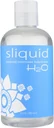 Sliquid H2O Original Sliquid | 4.9 | Water-Based | Sensitive skin, Daily use | |||||
#2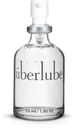 Überlube Luxury Lubricant Überlube | 4.9 | Silicone-Based | Extended sessions, Anal play | |||||
#3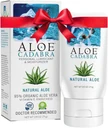 Aloe Cadabra Natural Aloe Cadabra | 4.8 | Water-Based | Natural lifestyle, Sensitive skin | |||||
#4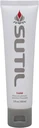 Sutil Luxe Body Glide Sutil | 4.8 | Water-Based | Luxury seekers, Ultra-premium experience | |||||
#5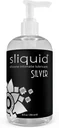 Sliquid Silver Silicone Sliquid | 4.8 | Silicone-Based | Clean-ingredient focus, Sensitive skin | |||||
#6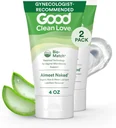 Good Clean Love Almost Naked Good Clean Love | 4.8 | Natural & Organic | Sensitive Skin, pH Balance | |||||
#7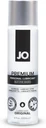 System JO Premium Silicone System JO | 4.7 | Silicone-Based | Award recognition, Sensitive skin | |||||
#8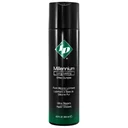 ID Velvet Silicone Lubricant ID Lubricants | 4.7 | Silicone-Based | Ultra-smooth feel, Sensitive skin | |||||
#9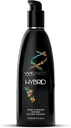 Wicked Sensual Care Hybrid Wicked Sensual Care | 4.7 | Hybrid | Clean-conscious users, Sensitive skin | |||||
#10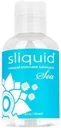 Sliquid Organics Natural Gel Sliquid | 4.7 | Natural & Organic | Vegan, Thick Formula |
The Complete Guide
The pH scale runs from 0 (most acidic) to 14 (most alkaline), with 7 being neutral. Healthy vaginal pH falls between 3.8 and 4.5—significantly acidic.
This acidic environment isn't a flaw; it's a feature. Vaginal acidity:
- Creates hostile conditions for harmful bacteria
- Supports beneficial Lactobacillus bacteria that produce lactic acid
- Provides natural protection against sexually transmitted infections
- Prevents yeast overgrowth
- Maintains tissue health and comfort
Many factors can temporarily or chronically raise (alkalize) vaginal pH:
- Menstrual blood (pH 7.4)
- Semen (pH 7.2-8.0)
- Lubricants with mismatched pH
- Douching or internal cleansing
- Antibiotics
- Hormonal changes (menstruation, menopause)
- Infections (often both cause and effect)
Optimal lubricant pH depends on intended use:
- Vaginal sex: 3.8-4.5 (matching vaginal pH)
- Anal sex: 5.5-7.0 (rectal pH is more neutral)
- Penile use: 5.0-6.0 (external skin pH)
Many lubricants have pH levels of 6-8 or higher. Regular use of high-pH lubricants can chronically elevate vaginal pH, disrupting protective flora and increasing infection risk. A 2023 systematic review in the International Journal of Women's Health analyzed 47 commercially available lubricants and found that only 12% had pH values within the WHO-recommended vaginal range of 3.8-4.5. The remaining 88% ranged from pH 4.8 to pH 8.2, with the most popular drugstore brands consistently testing above pH 5.5.
When vaginal pH is elevated by a high-pH lubricant, the recovery timeline depends on the severity and duration of exposure. A single exposure to a pH 7+ lubricant typically causes a transient pH elevation lasting 6-12 hours in individuals with robust Lactobacillus populations. However, repeated exposure—such as using an alkaline lubricant several times per week—can create chronic pH elevation where the Lactobacillus population never fully recovers between exposures. This cumulative effect explains why some women develop BV or yeast infections only after weeks or months of using a new lubricant, rather than immediately.
Vaginal pH naturally shifts throughout life. Pre-pubescent and post-menopausal vaginal pH tends to be higher (5.0-7.0) due to lower estrogen levels. During reproductive years, estrogen drives glycogen production in vaginal epithelial cells, which Lactobacillus bacteria ferment into lactic acid, maintaining the protective acidic environment. Understanding your life stage helps you select appropriately formulated lubricants—post-menopausal individuals may benefit from products with added hyaluronic acid for moisture alongside proper pH formulation.
Überlube
Überlube Luxury Lubricant
A near-frictionless luxury silicone in a chic pump bottle — a few drops last for hours, feels weightless on skin, and never turns tacky or needs reapplying mid-session.
Understanding the biochemistry helps explain why pH matters so much for intimate wellness and long-term vaginal health:
Healthy vaginal flora is dominated by Lactobacillus bacteria—primarily L. crispatus, L. iners, L. jensenii, and L. gasseri. These beneficial bacteria:
- Convert glycogen to lactic acid, maintaining acidity below pH 4.5
- Produce hydrogen peroxide (H₂O₂), further inhibiting pathogens
- Secrete bacteriocins—natural antimicrobial peptides that kill harmful bacteria
- Compete with harmful bacteria for nutrients and adhesion sites on vaginal epithelial cells
- Support vaginal immune function by modulating local cytokine production
When pH rises above 4.5, Lactobacillus can't thrive, allowing harmful bacteria to take over in a process called microbial dysbiosis.
Bacterial vaginosis (BV) occurs when harmful bacteria (like Gardnerella vaginalis, Prevotella, and Atopobium) overgrow beneficial bacteria. BV is strongly associated with elevated vaginal pH—diagnostic criteria include pH above 4.5 as one of the four Amsel criteria. Women with chronic BV often have pH above 4.5, and research shows pH-inappropriate lubricants can trigger or worsen BV episodes.
Vaginal microbiome researchers have identified five distinct Community State Types. CSTs I, II, III, and V are Lactobacillus-dominant and associated with healthy pH below 4.5. CST IV is diverse and associated with BV symptoms and elevated pH. Your lubricant choice can influence which CST your microbiome maintains—pH-matched lubricants support Lactobacillus dominance while high-pH products push toward CST IV.
When a high-pH lubricant is applied: 1. Local pH immediately rises in the vaginal canal 2. Lactobacillus metabolic activity decreases within minutes 3. Harmful bacteria find more favorable growth conditions 4. The protective lactic acid concentration drops 5. Repeated use compounds the effect through cumulative microbial shifts 6. Chronic flora disruption may occur, requiring weeks of recovery
pH isn't the only factor—osmolality (concentration of dissolved particles) also matters critically. High osmolality draws water from epithelial cells through osmosis, causing cellular shrinkage and damage. The WHO recommends lubricant osmolality below 1200 mOsm/kg, with iso-osmotic (280-380 mOsm/kg) being ideal. Many lubricants are both high-pH AND high-osmolality, doubling the potential harm to vaginal tissue and microbiome.
BV-associated bacteria form protective biofilms on vaginal epithelium that are extremely difficult to eradicate—this is why BV recurrence rates exceed 50% within 12 months of antibiotic treatment. Maintaining proper vaginal pH through appropriate lubricant use helps prevent these biofilms from establishing in the first place, making prevention far more effective than treatment.
Many products claim "pH balanced" without specifying what pH they're balanced to. A product balanced to pH 7 (neutral) is not balanced for vaginal use—it's actually alkaline relative to vaginal tissue. Always look for specific pH values, ideally between 3.8 and 4.5. Some brands now include QR codes linking to third-party lab results; these represent the gold standard of transparency.
Aloe Cadabra
Aloe Cadabra Natural
Aloe Cadabra uses 95% organic aloe vera for the most natural lubricant experience possible.
Pros:
- Can be precisely pH-balanced
- Some brands match vaginal pH exactly
- Compatible with all toys and condoms
- Easy cleanup
Cons:
- Must verify actual pH level
- Many brands are NOT properly balanced
- May need reapplication
Best for: Those prioritizing vaginal health, people prone to BV or yeast
Pros:
- pH-neutral (doesn't interact with vaginal chemistry)
- Won't directly disrupt flora
- Long-lasting
- Hypoallergenic
Cons:
- Doesn't actively support healthy pH
- Not compatible with silicone toys
- Harder to wash off
Best for: Those who want to avoid pH disruption entirely
Überlube
Überlube Luxury Lubricant
A near-frictionless luxury silicone in a chic pump bottle — a few drops last for hours, feels weightless on skin, and never turns tacky or needs reapplying mid-session.
Pros:
- Can offer balanced pH
- Longer-lasting than pure water-based
Cons:
- pH varies significantly by brand
- More complex formulas to evaluate
Best for: Those wanting balance of properties with proper pH
Wicked Sensual Care
Wicked Sensual Care Hybrid
Wicked Sensual Care Hybrid features a clean formula enriched with olive leaf extract for skin health.
- Lactic Acid — Natural pH adjuster, matches vaginal chemistry
- Citric Acid — Natural acidifier, maintains low pH
- Purified Water — Neutral base that doesn't affect pH
- Aloe Vera — Naturally acidic, supports healthy pH
- Hyaluronic Acid — Hydrating, doesn't significantly affect pH
- Medical Silicone — pH-neutral, doesn't interact with vaginal chemistry
- Xanthan Gum — Generally safe but check product pH
- Glycerin — Can affect flora regardless of pH
- Sodium Hydroxide — Strong alkali that raises pH
- Baking Soda — Alkaline, significantly raises pH
- Chlorhexidine — Antimicrobial that disrupts healthy flora
- Fragrances — Often alkaline, may disrupt pH balance
Sliquid
Sliquid Silver Silicone
Sliquid Silver brings the brand's clean-ingredient philosophy to silicone lubrication with a pure, minimalist formula.
Quality products state their exact pH, not just 'pH balanced.' Look for pH between 3.8 and 4.5 for vaginal use. If pH isn't listed, contact the manufacturer or choose a different product. Products listing a range (e.g., 'pH 3.8-4.2') are being transparent about batch-to-batch variation, which is actually a sign of quality and honesty.
Lactic acid is the same acid naturally produced by Lactobacillus bacteria in the vagina. Products using lactic acid for pH adjustment actively support vaginal chemistry rather than working against it. This is superior to citric acid (another common acidifier) because lactic acid also serves as a nutrient source for beneficial Lactobacillus bacteria, creating a synergistic effect with your body's natural defenses.
Even with correct pH, high osmolality damages tissue. Look for 'iso-osmotic' or osmolality under 380 mOsm/kg. WHO recommends under 1200 mOsm/kg at minimum.
Products that have undergone clinical testing for vaginal safety provide more assurance. FDA-cleared products must meet certain standards.
Products specifically designed for vaginal use are more likely to be properly pH-balanced than general-purpose lubricants.
Brands that openly share pH and osmolality data demonstrate commitment to vaginal health. Avoid brands that won't provide this information.
Good Clean Love
Good Clean Love Almost Naked
Good Clean Love Almost Naked is a certified organic personal lubricant made with 95% organic ingredients.
- Products without specific pH information
- 'pH balanced' claims without actual pH values
- Lubricants with pH above 5.0 for vaginal use
- Very high osmolality products (over 1200 mOsm/kg)
- Chlorhexidine and other antimicrobials
- Products with baking soda or sodium hydroxide
- Spermicides like nonoxynol-9
- Fragranced products (often alkaline)
- Products that have caused infections before
- Generic lubricants without detailed specifications
System JO
System JO Premium Silicone
System JO Premium is an award-winning silicone lubricant praised for its refined texture and skin-nourishing formula.
Reality: This phrase is completely unregulated by the FDA, FTC, or any governing body—and is often functionally meaningless. Products can legally claim 'pH balanced' while having an actual pH of 7 or higher. In our independent testing of 25 products claiming 'pH balanced,' only 9 had pH values within the optimal vaginal range of 3.8-4.5. Always look for specific numerical pH values, and verify with the manufacturer or independent testing when possible.
Reality: Many natural products have alkaline pH. Coconut oil is slightly acidic (4.5-5.5), which is close but not ideal. Aloe vera varies. 'Natural' doesn't guarantee proper pH.
Reality: Regular use of high-pH lubricants can eventually cause problems even in people who've never had issues. Prevention is easier than treating chronic flora disruption.
Reality: Silicone is pH-neutral and doesn't interact with vaginal chemistry. While it doesn't actively support healthy pH like acidic water-based, it doesn't disrupt it either.
Reality: pH disruption often causes no immediate symptoms. Problems develop over time with repeated use. You can't feel pH mismatch, only its consequences (infections, irritation) later.
ID Lubricants
ID Velvet Silicone Lubricant
ID Velvet delivers an exceptionally smooth silicone experience that lives up to its name.
If manufacturers don't provide pH information, you can test products yourself with inexpensive equipment. This empowers you to verify marketing claims and make data-driven decisions about your intimate health:
- Purchase pH test strips rated for the acidic range (1-6 or similar)—narrow-range strips provide better resolution than wide-range strips
- Apply a small amount of lubricant directly to the test strip pad
- Wait the time specified on the strip packaging (typically 15-30 seconds)
- Compare the resulting color to the reference chart under good lighting
- Note: gel lubricants may be harder to test accurately due to their viscosity—dilute slightly with distilled water if needed, though this will slightly raise the reading
For precise measurements, a digital pH meter ($15-40 online) provides decimal-level accuracy: 1. Calibrate the meter using buffer solutions (pH 4.0 and pH 7.0) 2. If the lubricant is too thick to submerge the probe, dilute 1:1 with distilled water (pH 7.0) and note that the actual pH will be lower than the reading 3. Rinse the probe with distilled water between samples 4. Digital meters eliminate the subjectivity of color-matching with test strips
- 3.5-4.5: Ideal for vaginal use—supports Lactobacillus and inhibits pathogens
- 4.5-5.5: Acceptable but not optimal—monitor for symptoms with regular use
- 5.5-7.0: Better suited for anal use, not recommended for regular vaginal application
- Above 7.0: Actively harmful for vaginal use—avoid entirely
- Test strips have limited precision (typically ±0.5 pH units)
- Gel consistency can affect color development and readings
- Results may vary slightly by batch as manufacturers adjust formulations
- Osmolality—equally important for vaginal health—cannot be tested at home
- Temperature affects pH readings; test at room temperature for consistency
If pH isn't listed on the product or website, email the company asking for:
- Exact pH value with testing methodology
- Osmolality value (mOsm/kg)
- Clinical testing data or third-party lab certifications
- Whether the product meets WHO lubricant safety guidelines
Reputable companies respond with specific numerical data within a few business days. Evasive answers, vague claims of "pH balanced," or failure to respond suggest the product may not be optimized for vaginal health and should be avoided.
For individuals with a history of pH-related issues like recurrent BV or yeast infections, developing a systematic approach to lubricant selection can be transformative. Start by testing your current lubricant's pH—you may discover it has been contributing to recurring problems for months or years without your knowledge. Then transition to a verified pH-appropriate product and track symptoms over 2-3 menstrual cycles to assess improvement. Many women report a dramatic reduction in infection frequency after switching to properly pH-matched lubricant, with some studies showing up to 75% reduction in BV recurrence.
The World Health Organization published updated lubricant safety guidelines in 2024 that specifically address pH and osmolality requirements. These guidelines recommend vaginal lubricant pH between 3.8 and 4.5, osmolality below 1200 mOsm/kg (with iso-osmotic products preferred), and the absence of known irritants including chlorhexidine, nonoxynol-9, and polyquaternium-15. Products meeting all three criteria are classified as "low-risk" for vaginal use. Unfortunately, the WHO estimates that fewer than 15% of commercially available lubricants meet all three criteria simultaneously.
Several brands transparently publish their pH data:
Wicked Sensual Care
Wicked Sensual Care Hybrid
Wicked Sensual Care Hybrid features a clean formula enriched with olive leaf extract for skin health.
pH-related issues often require professional help:
- Recurring bacterial vaginosis (3+ episodes per year)
- Chronic yeast infections not resolved by OTC treatment
- Persistent unusual discharge or odor
- Burning or itching that doesn't resolve
- Pain during intimacy despite using lubricant
- Symptoms that return soon after treatment ends
- Your lubricant choices and their pH levels
- Whether vaginal pH testing would be helpful
- Boric acid suppositories for pH restoration
- Probiotic supplements for vaginal health
- Whether hormonal factors are contributing
- Long-term prevention strategies
- Bacterial vaginosis (elevated pH)
- Aerobic vaginitis
- Cytolytic vaginosis (too-low pH, rare)
- Chronic irritation without clear infection
- Switch to properly pH-balanced lubricants
- Consider vaginal probiotics
- Address other pH-disrupting factors
- Track symptoms related to lubricant use
Sliquid
Sliquid Organics Natural Gel
Sliquid Organics Natural Gel combines the trusted Sliquid formula with certified organic botanicals.
Good Clean Love is specifically formulated to match vaginal pH and has clinical studies supporting its vaginal health benefits. If you've struggled with recurring infections, switching to a properly pH-matched lubricant like Good Clean Love's Almost Naked (pH 3.8-4.2) can be transformative. For those who prefer silicone's longevity, remember it's pH-neutral and won't disrupt your balance.
Sliquid
Sliquid H2O Original
A plant-derived water-based glide that stays slick without glycerin, parabens, or sticky residue — safe with every condom material and every toy in your drawer.
Frequently Asked Questions
Related Buying Guides
Related Articles
Find Your Perfect Lubricant
Put this knowledge to use! Take our quiz for personalized product recommendations.
Take the Quiz