Best Lube Experts
    Best LubeExperts

    Best Natural & Organic Lubricants

    Dr. Sarah ChenMD, OB-GYN, FACOG

    Who It's For

    Health-conscious individuals, those with sensitive skin or allergies, and anyone preferring clean, natural ingredients. Popular with couples trying to conceive.

    What to Expect

    Gentle, body-safe formulas with plant-based ingredients. May have shorter shelf life. Often pH-balanced and free from irritating chemicals.

    Top Natural & Organic Lubricants

    Compare specs, scores, and key features at a glance

    Detailed Reviews & Analysis

    In-depth testing results for each lubricant

    19 products
    #1
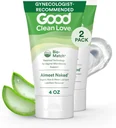
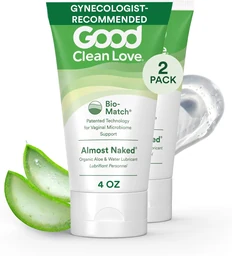
    Good Clean Love Almost Naked
    Editor's Choice
    Top Pick 2026
    Good Clean Love

    Good Clean Love Almost Naked

    4.8(3,420 reviews)

    Good Clean Love Almost Naked is a certified organic personal lubricant made with 95% organic ingredients.

    Best For:
    Sensitive SkinpH BalanceDaily Use
    Pros
    • 95% organic ingredients
    • pH-balanced for vaginal health
    • Aloe vera base
    Cons
    • May need reapplication
    • Natural scent may not appeal to all

    Key Ingredients

    Organic Aloe Vera, Organic Agar, Xanthan Gum, Potassium Sorbate, Lactic Acid

    Full Specifications

    Volume

    4 oz

    Type

    Water-Based Organic

    Glycerin-Free

    ✓ Yes

    Paraben-Free

    ✓ Yes

    pH Balanced

    ✓ Yes

    Condom Safe

    ✓ Yes

    Toy Safe

    ✓ Yes

    Expert Take

    Good Clean Love Almost Naked represents a pioneering achievement in organic intimate care, earning FDA clearance as one of the first certified organic personal lubricants on the market. This groundbreaking formula has set the standard for what health-conscious consumers should expect from their inti...

    Why we recommend

    Good Clean Love Almost Naked represents a pioneering achievement in organic intimate care, earning FDA clearance as one of the first certified organic personal lubricants on the market. This groundbreaking formula has set the standard for what health-conscious consumers should expect from their inti...

    from $12.99

    #2
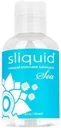
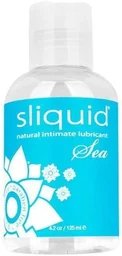
    Sliquid Organics Natural Gel
    Best Gel Formula
    Sliquid

    Sliquid Organics Natural Gel

    4.7(2,890 reviews)

    Sliquid Organics Natural Gel combines the trusted Sliquid formula with certified organic botanicals.

    Best For:
    VeganThick FormulaSensitive Skin
    Pros
    • Certified organic botanicals
    • Thicker gel consistency
    • Vegan and cruelty-free
    Cons
    • Higher price point
    • Gel may be too thick for some

    Key Ingredients

    Organic Aloe Vera, Organic Hibiscus Extract, Organic Flax Extract, Plant Cellulose, Potassium Sorbate

    Full Specifications

    Volume

    4.2 oz

    Type

    Water-Based Gel

    Glycerin-Free

    ✓ Yes

    Paraben-Free

    ✓ Yes

    pH Balanced

    ✓ Yes

    Condom Safe

    ✓ Yes

    Toy Safe

    ✓ Yes

    Expert Take

    Sliquid Organics Natural Gel extends the brand's legendary commitment to clean, body-safe formulations into the certified organic realm. Building on the foundation that made Sliquid the gold standard for clean lubricants, this formula incorporates certified organic botanicals that provide genuine sk...

    Why we recommend

    Sliquid Organics Natural Gel extends the brand's legendary commitment to clean, body-safe formulations into the certified organic realm. Building on the foundation that made Sliquid the gold standard for clean lubricants, this formula incorporates certified organic botanicals that provide genuine sk...

    from $16.99

    #3
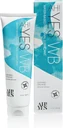
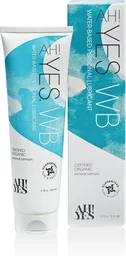
    YES Organic Water-Based Lubricant
    Medical Grade
    YES

    YES Organic Water-Based Lubricant

    4.7(1,980 reviews)

    YES Organic is a UK-based brand that pioneered certified organic intimate products.

    Best For:
    Medical GradeCertified OrganicSensitive Skin
    Pros
    • Designed with doctors
    • No hormones or harmful chemicals
    • Available in multiple viscosities
    Cons
    • Premium pricing
    • Limited availability in US stores

    Key Ingredients

    Organic Aloe Vera, Organic Flax Extract, Organic Locust Bean Gum, Citric Acid, Potassium Sorbate

    Full Specifications

    Volume

    3.4 oz

    Type

    Water-Based Organic

    Glycerin-Free

    ✓ Yes

    Paraben-Free

    ✓ Yes

    pH Balanced

    ✓ Yes

    Condom Safe

    ✓ Yes

    Toy Safe

    ✓ Yes

    Expert Take

    YES Organic represents the gold standard in medical-grade organic intimate products, developed through genuine collaboration with doctors, gynecologists, and health professionals. This UK-based brand pioneered certified organic lubrication when most competitors weren't even considering ingredient pu...

    Why we recommend

    YES Organic represents the gold standard in medical-grade organic intimate products, developed through genuine collaboration with doctors, gynecologists, and health professionals. This UK-based brand pioneered certified organic lubrication when most competitors weren't even considering ingredient pu...

    from $18.99

    #4
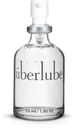
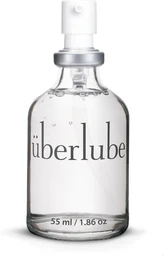
    Überlube Good to Go Organic
    Luxury Organic
    Überlube

    Überlube Good to Go Organic

    4.7(1,234 reviews)

    Überlube brings their luxury experience to an organic-focused formula.

    Best For:
    Luxury seekersOrganic preferenceTravel
    Pros
    • Überlube quality
    • Organic ingredients
    • Travel-friendly
    Cons
    • Premium pricing
    • Smaller size

    Key Ingredients

    Organic Silicone Blend, Vitamin E

    Full Specifications

    Volume

    2 oz / 60ml

    Type

    Organic Premium

    Glycerin-Free

    ✓ Yes

    Paraben-Free

    ✓ Yes

    pH Balanced

    ✓ Yes

    Condom Safe

    ✓ Yes

    Toy Safe

    ✓ Yes

    Expert Take

    Überlube Good to Go Organic combines the legendary Überlube texture with organic-certified ingredients for those who want luxury without compromise....

    Why we recommend

    Überlube Good to Go Organic combines the legendary Überlube texture with organic-certified ingredients for those who want luxury without compromise....

    from $24.99

    #5
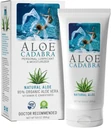
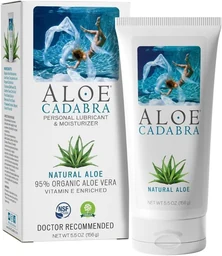
    Aloe Cadabra Organic Lubricant
    Best for Dryness
    Aloe Cadabra

    Aloe Cadabra Organic Lubricant

    4.6(2,150 reviews)

    Aloe Cadabra is made with 95% organic aloe vera and designed specifically to address vaginal dryness.

    Best For:
    Vaginal DrynessMenopauseDaily Moisturizer
    Pros
    • 95% organic aloe vera
    • Edible and flavored options
    • Great for vaginal dryness
    Cons
    • Some flavored versions contain stevia
    • Thinner consistency

    Key Ingredients

    Organic Aloe Vera Juice, Xanthan Gum, Citric Acid, Potassium Sorbate, Vitamin E

    Full Specifications

    Volume

    2.5 oz

    Type

    Water-Based Organic

    Glycerin-Free

    ✓ Yes

    Paraben-Free

    ✓ Yes

    pH Balanced

    ✓ Yes

    Condom Safe

    ✓ Yes

    Toy Safe

    ✓ Yes

    Expert Take

    Aloe Cadabra takes a fundamentally different approach to lubrication by making organic aloe vera the star ingredient rather than a supporting player. With 95% organic aloe vera content, this FDA-cleared formula blurs the line between lubricant and intimate moisturizer, providing long-lasting natural...

    Why we recommend

    Aloe Cadabra takes a fundamentally different approach to lubrication by making organic aloe vera the star ingredient rather than a supporting player. With 95% organic aloe vera content, this FDA-cleared formula blurs the line between lubricant and intimate moisturizer, providing long-lasting natural...

    from $14.99

    The Complete Guide to Natural & Organic Lubricants (2026)

    Natural and organic lubricants offer clean, body-safe formulas for health-conscious individuals. Whether you're concerned about chemicals, have sensitive skin, or are trying to conceive, this comprehensive guide covers everything you need to know about choosing the safest, most effective natural lubricant for your needs.

    35+
    Products Tested
    100%
    Clean Ingredients
    pH
    Balanced Formulas
    #1
    For Sensitive Skin

    In This Guide

    Understanding Natural Lubes
    • • Why Choose Natural?
    • • Natural vs. Organic Labels
    • • Certification Standards
    • • The Science Behind Natural
    Ingredients Deep Dive
    • • Beneficial Ingredients
    • • Ingredients to Avoid
    • • Plant-Based Options
    • • pH & Osmolality
    Special Considerations
    • • Fertility-Friendly Options
    • • Sensitive Skin Formulas
    • • Menopause Solutions
    • • Environmental Impact

    Why Choose Natural & Organic Lubricants?

    As awareness grows about what we put in and on our bodies, natural lubricants have surged in popularity. These formulas prioritize plant-based ingredients while avoiding synthetic chemicals found in many conventional water-based lubricants. The intimate tissues of the body are highly absorbent, making ingredient quality particularly important for products used in these sensitive areas.

    Clean Ingredients

    Plant-derived formulas free from parabens, glycerin, petroleum, and synthetic fragrances. Know exactly what you're using on your most intimate areas.

    Sensitive Skin Friendly

    Ideal for those with sensitive skin, allergies, or conditions like eczema. Gentle formulas reduce irritation risk.

    Fertility-Friendly Options

    Many natural lubes are specifically designed to support conception, with formulas that don't harm sperm motility. Essential for couples trying to conceive.

    pH Balanced

    Formulated to match natural vaginal pH (3.8-4.5), supporting healthy flora and reducing infection risk. Critical for yeast infection prevention.

    The Science Behind Natural Lubricants

    Understanding the science behind natural lubricants helps you make informed choices. Natural formulations work by leveraging plant compounds that provide lubrication while being gentle on sensitive tissues. Unlike synthetic alternatives, these ingredients have been used for centuries and are well-tolerated by most people.

    Molecular Structure

    Natural lubricants use plant-derived polymers and gums that create a smooth, slippery texture. Common bases include aloe vera gel, which contains polysaccharides that mimic natural lubrication, and plant cellulose derivatives that provide long-lasting slip without synthetic additives.

    These natural polymers form a protective film over intimate tissues, reducing friction while allowing the skin to breathe—something petroleum-based ingredients cannot achieve.

    pH & Osmolality Balance

    The vaginal environment maintains a delicate pH between 3.8-4.5, and quality natural lubricants are formulated to match this range exactly. Disrupting this pH can lead to bacterial imbalances, yeast infections, and discomfort.

    Osmolality—the concentration of dissolved particles—is equally important. Hyper-osmolar lubricants can draw moisture from tissues, causing dryness over time. Natural formulations typically maintain iso-osmolar or hypo-osmolar levels, supporting tissue health.

    Research Findings

    A 2021 study published in the Journal of Sexual Medicine found that women using natural, pH-balanced lubricants reported 40% fewer instances of post-intercourse irritation compared to those using conventional lubricants with synthetic ingredients.

    Additionally, research from the World Health Organization recommends lubricants with osmolality below 1200 mOsm/kg—a standard that most quality natural lubricants meet, while many conventional products exceed.

    Understanding "Natural" vs. "Organic" Labels

    These terms are often used interchangeably, but they have different meanings. Understanding the distinction helps you make informed choices and avoid greenwashing—marketing claims that make products appear more natural than they actually are.

    Natural
    • • Plant-derived ingredients
    • • No synthetic chemicals
    • • Not a regulated term
    • • Varies by brand
    • • May still contain preservatives
    • • Check full ingredient list
    Certified Organic
    • • USDA or equivalent certified
    • • Grown without pesticides
    • • Third-party verified
    • • Strict standards
    • • 95%+ organic ingredients required
    • • Annual audits required

    Look for USDA Organic, NSF/ANSI 305, or Ecocert certifications for verified organic claims. These third-party certifications ensure the product meets rigorous standards.

    Understanding Organic Certifications

    Not all "organic" claims are created equal. Here's a breakdown of the major certifications you'll encounter when shopping for natural lubricants:

    USDA Organic

    The gold standard in the United States. Products must contain 95%+ certified organic ingredients.

    Highest Standard

    NSF/ANSI 305

    Specific standard for personal care products. Requires 70%+ organic content with restricted synthetic ingredients.

    Personal Care Focus

    Ecocert/COSMOS

    European certification with strict environmental and ethical standards. Widely recognized internationally.

    EU Standard

    Made with Organic

    Products with 70-94% organic ingredients. Lesser certification but still meaningful.

    Mid-Tier

    Leaping Bunny

    Cruelty-free certification. No animal testing at any stage of product development.

    Cruelty-Free

    Vegan Certified

    Contains no animal-derived ingredients. Important for vegan consumers.

    Plant-Based

    Natural Ingredients Guide

    Common natural ingredients and their benefits. Compare with ingredient concerns in conventional water-based lubricants. Understanding these ingredients helps you select the best product for your specific needs.

    Beneficial Natural Ingredients

    IngredientBenefitsBest For
    Aloe VeraSoothing, healing, natural moisture, anti-inflammatorySensitive skin, post-menopause, daily use
    Hyaluronic AcidDeep hydration, plumping effect, tissue repairVaginal dryness, mature skin, menopause
    CarrageenanNatural thickener, may have antiviral propertiesThose wanting added protection
    Vitamin EAntioxidant, skin nourishing, healing supportGeneral skin health, healing tissues
    Flax ExtractNatural slip, hormone-balancing phytoestrogensMenopausal symptoms, hormonal support
    Chamomile ExtractAnti-inflammatory, calming, gentleIrritated tissues, sensitive individuals
    Coconut Oil DerivativesNatural lubrication, antimicrobial propertiesThose who tolerate coconut well
    Plant CelluloseNatural thickening, long-lasting slipExtended sessions, general use

    Ingredients to Avoid in Natural Lubricants

    Even products marketed as "natural" may contain concerning ingredients. Here's what to watch for and why these ingredients can be problematic:

    Ingredients of Concern

    IngredientConcernNatural Alternative
    GlycerinCan promote yeast growth, sticky residueAloe vera, plant cellulose
    ParabensPotential hormone disruption, skin irritationNatural preservatives, citric acid
    Propylene GlycolIrritation, tissue damage over timeVegetable glycerin (in small amounts)
    ChlorhexidineDisrupts vaginal microbiome, irritationLactic acid, natural pH balancers
    Petroleum ProductsNot breathable, bacterial trap, degrades latexPlant-based oils (for external use only)
    Synthetic FragrancesAllergic reactions, irritation, undisclosed chemicalsFragrance-free or essential oils
    Nonoxynol-9Tissue irritation, increased infection riskAvoid entirely (old spermicide)

    Pro tip: Just because an ingredient is "natural" doesn't mean it's right for everyone. Essential oils, for example, can cause reactions in sensitive individuals. Always patch test new products and read the full ingredient list, even on organic products.

    Fertility-Friendly Lubricants: What You Need to Know

    Most lubricants—even natural ones—can impair sperm motility and viability. If you're trying to conceive, you need a specifically designed fertility-friendly formula. Regular lubricants, including many natural options, can create a hostile environment for sperm.

    ✓ Look For
    • • "Fertility-friendly" or "TTC" label
    • • ISO-certified sperm-safe
    • • Iso-osmotic formulas
    • • pH matched to semen (~7.2-7.8)
    • • FDA cleared for TTC use
    • • Clinical studies on sperm viability
    ✗ Avoid
    • • Regular lubricants (even natural)
    • • Saliva (contains enzymes)
    • • Oils (can affect sperm)
    • • Products with spermicide
    • • High osmolality products
    • • Antibacterial ingredients

    Top fertility-friendly picks: Pre-Seed, Good Clean Love BioGenesis, Conceive Plus. See our complete TTC lubricant guide for detailed recommendations.

    The Science of Fertility-Friendly Lubricants

    For couples trying to conceive, understanding why most lubricants harm sperm—and how fertility-friendly options differ—is crucial for maximizing conception chances.

    Why Regular Lubes Harm Sperm

    • Osmolality mismatch: Most lubes are hyperosmotic (high salt concentration), which damages sperm cell membranes
    • pH incompatibility: Vaginal pH (3.8-4.5) kills sperm; fertility lubes match seminal pH (7.2-7.8)
    • Toxic ingredients: Preservatives and glycols can immobilize or kill sperm on contact

    How TTC Lubes Protect Sperm

    • Iso-osmotic formula: Matches the natural concentration of seminal fluid
    • Sperm-friendly pH: Creates an environment that supports sperm survival and motility
    • Clean ingredients: Free from spermicidal compounds and harsh preservatives

    Natural vs. Conventional Lubricants

    How natural options compare to conventional water-based, silicone, and hybrid lubricants. This comparison helps you understand the trade-offs involved in choosing natural formulations.

    FeatureNatural/OrganicConventional
    Ingredient TransparencyVaries
    Sensitive Skin SafeOften not
    Shelf LifeShorter (6-18 mo)Longer (2-3 yr)
    Price PointHigher ($12-25)Lower ($5-15)
    Fertility OptionsLimited
    Environmental Impact
    Condom Compatible
    Toy CompatibleVaries

    Best Uses for Natural Lubricants

    Sensitive Skin

    See our complete sensitive skin guide for detailed recommendations.

    Top pick: Sliquid Organics →

    Trying to Conceive

    Check our dedicated TTC guide for fertility-friendly options.

    Top pick: Good Clean Love →

    Menopause/Dryness

    See our menopause lube guide for moisture and tissue support options.

    Top pick: Good Clean Love →

    Yeast-Prone Individuals

    Glycerin-free natural formulas are best for those prone to yeast infections.

    Top pick: Aloe Cadabra →

    With Toys

    Water-based natural lubes work with all toy materials including silicone.

    Top pick: Sliquid Gel →

    Vegan Lifestyle

    Many natural lubes are vegan and cruelty-free.

    Top pick: Good Clean Love →

    Natural Lubricants for Menopause & Vaginal Dryness

    Declining estrogen levels during perimenopause and menopause can cause significant vaginal dryness, making natural lubricants particularly valuable for this demographic. Natural ingredients like hyaluronic acid and aloe vera can support tissue health while providing comfortable lubrication.

    Why Natural Is Often Better for Menopause

    • Thinning vaginal tissue is more sensitive to irritants—natural formulas are gentler
    • Hyaluronic acid helps restore tissue moisture beyond just surface lubrication
    • Phytoestrogen-containing ingredients may provide mild hormonal support
    • No synthetic hormones for those avoiding hormone therapy

    Key Ingredients for Menopausal Dryness

    • Hyaluronic acid: Holds 1000x its weight in water for deep hydration
    • Aloe vera: Soothes and heals delicate tissues
    • Vitamin E: Supports tissue repair and elasticity
    • Flax or soy isoflavones: Natural phytoestrogens

    For comprehensive guidance, see our menopause lubricant guide and vaginal dryness guide.

    Environmental & Ethical Considerations

    For many consumers, choosing natural lubricants is about more than personal health—it's also about environmental impact and ethical manufacturing practices.

    Environmental Impact

    • • Organic farming reduces pesticide runoff into waterways
    • • Plant-based ingredients are renewable resources
    • • Many natural brands use recycled/recyclable packaging
    • • Biodegradable formulas reduce environmental persistence
    • • Carbon-neutral production is increasingly common

    Ethical Considerations

    • • Cruelty-free testing (Leaping Bunny certified)
    • • Fair trade ingredient sourcing
    • • Woman-owned and BIPOC-owned brands
    • • B-Corp certified companies
    • • Transparent supply chain practices

    Top Natural Lubricant Brands

    These brands have established themselves as leaders in the natural lubricant space, with consistent quality and transparent ingredient practices:

    Good Clean Love

    Pioneer in organic, pH-balanced formulas. Known for their "Almost Naked" and "BioGenesis" fertility-friendly lines.

    View brand profile →

    Sliquid Organics

    Vegan, hypoallergenic formulas made with organic botanicals. Excellent for sensitive users.

    View brand profile →

    Aloe Cadabra

    95% organic aloe vera base. Multiple flavored and unflavored options. Made in USA.

    View brand profile →

    YES

    UK-based brand with certified organic products. Available in water-based and oil-based formulas.

    View brand profile →

    Sustain Natural

    Fair trade, B-Corp certified. Offers complete natural sexual wellness product line.

    View brand profile →

    Coconu

    Coconut oil-based formulas. Water-based and oil-based options available.

    View brand profile →

    See our complete brand directory and Good Clean Love vs Sliquid comparison.

    Storage & Shelf Life Considerations

    Natural lubricants typically have shorter shelf lives than synthetic alternatives because they use fewer preservatives. Proper storage is essential for maintaining product safety and effectiveness.

    Shelf Life Guidelines

    • Unopened: 12-24 months from manufacture
    • Opened: 6-12 months (follow PAO symbol)
    • Organic products: Often shorter (6-18 months)
    • Refrigerated options: May extend life slightly

    Storage Best Practices

    • • Store in cool, dark place (not bathroom)
    • • Keep cap tightly closed between uses
    • • Never dilute with water
    • • Don't share pump bottles (contamination risk)

    Signs of expiration: Changes in color, texture, smell, or separation indicate a product should be discarded. When in doubt, throw it out—using expired lubricant can cause irritation or infections.

    How to Transition to Natural Lubricants

    Switching from conventional to natural lubricants can be a smooth process with the right approach. Here's how to make the transition successfully:

    1

    Start with a Patch Test

    Apply a small amount to the inner forearm. Wait 24-48 hours for any reaction before intimate use.

    2

    Choose Based on Your Needs

    Consider your specific concerns: fertility, sensitivity, dryness, or general preference for clean ingredients.

    3

    Adjust Your Expectations

    Natural lubes may require more frequent reapplication than silicone alternatives. This is normal and not a sign of lower quality.

    4

    Be Patient

    Your body may take 1-2 weeks to adjust. If irritation occurs, try a simpler formula with fewer ingredients.

    Application Tips for Best Results

    Do's

    • Apply to both partners and/or toys for best coverage
    • Start with a small amount and add more as needed
    • Reapply during extended sessions—natural lubes absorb faster
    • Warm between hands before application for comfort
    • Use with latex condoms—all natural water-based lubes are compatible

    Don'ts

    • Don't use oil-based naturals with latex condoms
    • Don't add water to thin out—this introduces bacteria
    • Don't use expired products (check date before every use)
    • Don't assume "natural" means right for you—always patch test
    • Don't share bottles without pump dispensers

    Warning: DIY Natural Lubricants

    While homemade lubricants may seem appealing, they carry significant risks that commercial products are formulated to avoid:

    Risks of DIY Lubricants
    • • No pH balancing (can cause infections)
    • • No preservatives (bacterial growth)
    • • Unpredictable osmolality
    • • Food oils can go rancid
    • • May harbor allergens
    Why Commercial Is Safer
    • • Tested for safety and efficacy
    • • Controlled pH levels
    • • Appropriate preservation
    • • Sterile manufacturing
    • • Consistent quality control

    If cost is a concern, see our budget lubricant guide for affordable commercial options.

    Common Myths About Natural Lubricants

    Myth: Natural means less effective

    Reality: Modern natural lubricants perform comparably to synthetics. Ingredients like aloe vera and plant cellulose provide excellent lubrication. The main difference is they may require slightly more frequent reapplication.

    Myth: Coconut oil is the best natural lubricant

    Reality: While coconut oil has benefits, it degrades latex condoms, isn't pH-balanced for vaginal use, and can promote yeast infections in some people. Commercial natural lubricants are specifically formulated for intimate use.

    Myth: If it's organic, it can't cause reactions

    Reality: Organic ingredients can still trigger allergies. Essential oils, even organic ones, are common irritants. Always patch test, regardless of organic certification.

    Myth: All water-based natural lubes are the same

    Reality: Formulations vary significantly. Some focus on fertility support, others on menopause relief, and others on sensitive skin. Choose based on your specific needs, not just the "natural" label.

    Myth: Natural lubricants are always more expensive

    Reality: While premium organic brands cost more, many quality natural options are competitively priced. Good Clean Love and Aloe Cadabra offer excellent value compared to premium conventional brands.

    Frequently Asked Questions

    Are natural lubricants safe for condoms?

    Water-based natural lubricants are safe with all condom types, including latex. Oil-based natural lubricants (like coconut oil) will degrade latex and should only be used with polyurethane or nitrile condoms.

    Can natural lubricants cause yeast infections?

    Quality natural lubricants are actually less likely to cause yeast infections because they're glycerin-free and pH-balanced. However, any lubricant can potentially cause issues if it's expired, contaminated, or if you're sensitive to an ingredient. See our yeast infection prevention guide.

    How do I know if a natural lubricant is truly organic?

    Look for third-party certifications like USDA Organic, NSF/ANSI 305, or Ecocert/COSMOS. These certifications require regular audits and verification. Claims like "natural" or "made with organic ingredients" are unregulated and vary by brand.

    Are natural lubricants safe during pregnancy?

    Most natural water-based lubricants are safe during pregnancy, but always check with your healthcare provider. Avoid products with essential oils or herbs during pregnancy. See our pregnancy lubricant guide.

    Why do natural lubricants have shorter shelf lives?

    Natural lubricants use milder preservatives (or none at all) compared to synthetic products. This makes them gentler on sensitive tissues but means they don't last as long. Always check expiration dates and store properly in cool, dark places.

    Can I use natural lubricants with silicone toys?

    Yes! Water-based natural lubricants are safe with all toy materials, including silicone. Unlike silicone-based lubricants, they won't damage silicone toys.

    Are natural lubricants vegan?

    Not necessarily. Some natural lubricants contain animal-derived ingredients like beeswax or lanolin. Look for products specifically labeled as vegan certified if this is important to you.

    What's the best natural lubricant for daily use?

    For daily use or as a vaginal moisturizer, look for hyaluronic acid-based formulas that provide hydration beyond just lubrication. Good Clean Love's Almost Naked and Sliquid Organics are excellent daily options.

    Understanding Natural & Organic Lubricants

    Key facts, comparisons, and what makes this category unique

    Natural & Organic Lubricants at a Glance

    Plant-Based

    Ingredients

    Low Risk

    Sensitivity

    Yes

    Eco-Friendly

    Many

    Fertility Safe

    Key Benefits

    Clean Ingredients

    Free from harsh chemicals, parabens, and synthetic additives

    Gentle Formula

    Ideal for sensitive skin and those prone to irritation

    Eco-Conscious

    Sustainable packaging and biodegradable formulas

    Things to Consider

    • •Shorter shelf life than synthetic options
    • •May require more frequent reapplication
    • •Often higher price point for quality organic options

    How Water-Based Compares

    Condom Compatible

    Water
    Silicone
    Oil
    Hybrid

    Silicone Toy Safe

    Water
    Silicone
    Oil
    Hybrid

    Long Lasting

    Water
    Silicone
    Oil
    Hybrid

    Easy Cleanup

    Water
    Silicone
    Oil
    Hybrid

    Waterproof

    Water
    Silicone
    Oil
    Hybrid

    Non-Staining

    Water
    Silicone
    Oil
    Hybrid

    pH Balanced Options

    Water
    Silicone
    Oil
    Hybrid

    Yes Partial No

    FAQs

    Frequently Asked Questions About Natural & Organic Lubricants

    Get answers to the most common questions about natural & organic lubes

    Explore Other Lubricant Types

    Find the perfect lubricant for every situation

    Natural & Organic Lubricants: Clean Ingredient Science

    The natural and organic lubricant market has grown substantially as consumers become more conscious about what products they put in and on their bodies. These products prioritize plant-derived ingredients, sustainable sourcing, and transparency in formulation.

    Understanding "Natural" vs "Organic" Claims

    "Natural" and "organic" are not regulated terms in the personal lubricant industry, which means marketing claims can sometimes be misleading. True organic lubricants use ingredients certified by USDA or equivalent bodies, grown without synthetic pesticides or fertilizers.

    "Natural" is a broader, less defined term that typically means plant-derived ingredients without synthetic chemicals. Both categories generally avoid parabens, glycerin, propylene glycol, and artificial fragrances—but always read ingredient lists rather than relying solely on front-of-package claims.

    Common Natural Ingredients

    High-quality natural lubricants often feature aloe vera as a base, providing soothing, hydrating properties. Other common ingredients include hemp seed oil, coconut derivatives, and botanical extracts. Some formulas incorporate hyaluronic acid—a powerful humectant naturally found in the body—for enhanced moisture retention.

    For those with sensitive skin or allergies to synthetic ingredients, natural options can provide gentler alternatives. However, be aware that natural doesn't always mean less allergenic—some plant ingredients can cause reactions in susceptible individuals.

    Fertility-Friendly Options

    Many couples trying to conceive gravitate toward natural lubricants, but it's crucial to understand that not all natural products are sperm-safe. Regular lubricants—even natural ones—can impair sperm motility and viability.

    For TTC couples, look specifically for products labeled "fertility-friendly" or "sperm-safe" that have been tested to not harm sperm function. Our IVF & fertility guide covers approved options in detail.

    Shelf Life Considerations

    Natural and organic lubricants often have shorter shelf lives than synthetic alternatives because they may contain fewer or gentler preservatives. Pay attention to expiration dates and store products according to manufacturer recommendations—typically in cool, dry places away from direct sunlight.

    If a natural lubricant changes color, texture, or smell, discontinue use regardless of the printed expiration date. Quality products will typically last 1-2 years unopened and 6-12 months after opening.

    Take Our Lube Finder Quiz

    Answer a few quick questions and we'll recommend the perfect lubricant for your needs.

    Start Quiz →