
Best Lubricants for IVF & Fertility Treatments
Sperm-friendly, fertility-safe formulas that support your conception journey
 Dr. Sarah ChenMD, OB-GYN, FACOG
When you are undergoing IVF, IUI, or any fertility treatment, every detail matters—including your lubricant choice. Most conventional lubricants are harmful to sperm, potentially reducing motility by 60-100% and damaging sperm DNA. This can undermine expensive treatments and precious opportunities.
When you are undergoing IVF, IUI, or any fertility treatment, every detail matters—including your lubricant choice. Most conventional lubricants are harmful to sperm, potentially reducing motility by 60-100% and damaging sperm DNA. This can undermine expensive treatments and precious opportunities.
Fortunately, specialty fertility-friendly lubricants are specifically designed to support sperm survival and function. These products are formulated to match the consistency, pH, and osmolality of fertile cervical mucus, creating an environment where sperm can thrive.
This comprehensive guide explains why lubricant choice matters for fertility, which products are truly sperm-safe, and how to use them effectively during your conception journey.
**The Financial and Emotional Stakes** The average IVF cycle costs $12,000-$17,000, with many couples requiring multiple cycles. When you factor in medications ($3,000-$5,000 per cycle), monitoring appointments, time off work, and the immeasurable emotional investment, every detail that could affect success rates matters—including something as seemingly simple as lubricant choice.
Research demonstrates that standard lubricants can reduce sperm motility by 60-100%, potentially undermining thousands of dollars in treatment and months of effort. This makes fertility-friendly lubricant not just a preference but a critical component of your conception strategy.
**The Evidence Base** Multiple peer-reviewed studies have demonstrated the harmful effects of standard lubricants on sperm: - A 2014 study in Fertility and Sterility tested 11 commercially available lubricants and found that most significantly impaired sperm motility within 30 minutes of contact - K-Y Jelly, Astroglide, and Replens all showed >90% motility reduction in controlled studies - Even "natural" options like olive oil and saliva showed negative effects on sperm function - Only products specifically formulated for fertility (Pre-Seed, ConceivePlus, BabyDance) maintained sperm viability
These findings have been replicated across multiple research groups and are now reflected in clinical guidelines from reproductive endocrinology societies.
**Why Fertility Patients Need Lubricant More Than Most** The irony of fertility treatment is that it often increases the need for lubricant while simultaneously making lubricant choice more critical:
*Emotional stress*: The pressure of timed intercourse, treatment uncertainty, and the grief of previous failures creates significant stress—a known inhibitor of natural lubrication *Hormonal medications*: Clomiphene citrate (Clomid) is notorious for causing cervical mucus changes and vaginal dryness. GnRH agonists and antagonists suppress estrogen, creating menopause-like dryness *Scheduled intimacy*: When sex becomes a prescription rather than spontaneous, the arousal-lubrication connection is often disrupted *Frequent intercourse*: During fertile windows, couples may have intercourse daily or every other day—natural lubrication may not keep up *Partner dynamics*: Men may experience performance anxiety knowing the "stakes" of each encounter, affecting both partners' comfort *Physical discomfort*: Bloating, injection site soreness, and hormonal side effects reduce physical comfort
**The Fertile Window: Timing Is Everything** The fertile window typically spans 6 days: the 5 days before ovulation plus the day of ovulation itself. During IVF and IUI cycles, this window is precisely monitored through: - Ultrasound monitoring of follicle development - Blood hormone levels (estradiol, LH) - Ovulation predictor kits - Trigger shots (HCG) that time ovulation within 36-40 hours
Any lubricant used during timed intercourse in this window MUST be fertility-friendly. Using a standard lubricant during even one encounter in the fertile window could significantly reduce that cycle's chances.
**Related Guides for Fertility and Reproductive Health** Explore our trying to conceive guide, pregnancy-safe lubricants, PCOS management, and postpartum recovery. For vaginal health during treatment, see our pH-sensitive guide, yeast infection prevention, and BV prevention. Browse our water-based lubricants, natural options, or visit our buyers guide. Take our quiz.
Recommended Lubricant Types
Based on this guide, these lubricant categories are most relevant to your needs:
Our Top Picks for IVF and Fertility Treatments
Expert-selected products that meet these specific needs
| Product | Score | Type | Best For | |
|---|---|---|---|---|
#1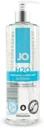 Pre-Seed Fertility Friendly Lubricant First Response GFPFpHLS | 4.6 | Water-Based | Trying to conceive, Fertility support |
Pre-Seed Fertility Friendly Lubricant
First Response
Trying to conceive, Fertility support
Why Lubricant Choice Matters for Fertility
The Cost of Fertility Treatment
- Average IVF cycle: $12,000-$17,000
How Timing Works
Fertility treatments are precisely timed:
Why Lubricant Becomes Necessary
Many factors increase lubricant need during fertility treatment:
The Standard Lubricant Problem
Most lubricants are actively harmful to conception through multiple mechanisms:
The Solution: Engineering for Fertility
Fertility-friendly lubricants are specifically engineered to mimic fertile-quality cervical mucus:
FDA Clearance: What It Means for Fertility Lubricants
Some fertility-friendly lubricants have achieved FDA clearance as medical devices (Class II)—this means they have undergone specific testing demonstrating they do not impair sperm function. Products with FDA clearance include Pre-Seed and BabyDance. This clearance is not the same as FDA "approval" (which applies to drugs, not devices), but it does mean the product has met established performance standards for sperm compatibility. Non-FDA-cleared products marketed as "fertility-friendly" may not have undergone equivalent testing—always check for specific sperm compatibility data.
IUI-Specific Considerations
Intrauterine insemination (IUI) involves placing washed sperm directly into the uterus, bypassing the cervix. While the lubricant used during timed intercourse around IUI doesn't contact the inseminated sperm directly, couples are often advised to continue timed intercourse alongside IUI to maximize conception chances. Using fertility-friendly lubricant during this supplemental intercourse ensures that naturally deposited sperm retain full motility and viability.
The Male Factor: Lubricant and Semen Analysis
For men providing semen samples (for IUI, IVF, or diagnostic analysis), lubricant choice is critical. Most andrology labs explicitly prohibit standard lubricants during sample collection because they contaminate the specimen and invalidate results. If lubricant is needed during collection, only pre-approved fertility-friendly products or medical-grade mineral oil should be used. Discuss sample collection protocols with your fertility clinic before your appointment—some labs provide sterile collection cups with approved lubricant samples.
Emotional Resilience and Lubricant as Self-Care
The emotional toll of fertility treatment cannot be overstated. Anxiety, grief from failed cycles, relationship strain, and the loss of sexual spontaneity create a complex emotional landscape. In this context, choosing a quality lubricant isn't just about sperm compatibility—it's an act of self-care that prioritizes pleasure and connection during a medically dominated process. Some fertility counselors recommend that couples designate certain intimate encounters as "off-duty"—not timed for conception—where the focus is purely on pleasure and reconnection.
FDA Clearance: What It Means for Fertility Lubricants
Some fertility-friendly lubricants have achieved FDA clearance as medical devices (Class II)—this means they have undergone specific testing demonstrating they do not impair sperm function. Products with FDA clearance include Pre-Seed and BabyDance. This clearance is not the same as FDA "approval" (which applies to drugs, not devices), but it does mean the product has met established performance standards for sperm compatibility. Non-FDA-cleared products marketed as "fertility-friendly" may not have undergone equivalent testing.
The stakes are high during fertility treatment. Understanding why lubricant matters helps emphasize the importance of careful selection.
The Cost of Fertility Treatment
- Average IVF cycle: $12,000-$17,000 - IUI treatment: $500-$4,000 - Fertility medications: $1,500-$5,000+ per cycle - Emotional investment: immeasurable
How Timing Works
Fertility treatments are precisely timed: - Ovulation is monitored or triggered - Timed intercourse windows are narrow - Sperm must survive until egg release - Every factor affecting sperm matters
Why Lubricant Becomes Necessary
Many factors increase lubricant need during fertility treatment: - Stress reduces natural lubrication through cortisol's inhibitory effect on arousal pathways - Timed intercourse removes spontaneity—sex becomes a medical prescription rather than an emotional connection - Frequent sex during fertile window (daily or every other day for 5-7 days) can deplete natural lubrication reserves - Hormonal medications directly affect moisture: Clomiphene citrate is notorious for reducing cervical mucus quality and quantity - Performance anxiety for partners—knowing each encounter carries conception stakes creates sympathetic nervous system activation that inhibits lubrication in women and may contribute to erectile difficulty in men - Post-procedure soreness from ultrasounds, blood draws, and IUI/IVF procedures creates physical discomfort that inhibits arousal
The Standard Lubricant Problem
Most lubricants are actively harmful to conception through multiple mechanisms: - pH levels too acidic for sperm survival—healthy sperm require pH 7.0-8.5, while many lubricants are pH 3.5-5.0 - High osmolality causes osmotic shock to sperm cells, damaging cell membranes and mitochondrial function within minutes of contact - Specific ingredients toxic to sperm: nonoxynol-9 (spermicide), chlorhexidine (antiseptic), and even glycerin at high concentrations impair sperm motility and viability - Thick consistency physically impedes sperm progression through the cervical canal - Some lubricants alter sperm morphology and DNA integrity, which affects fertilization capability even if motility appears adequate
The Solution: Engineering for Fertility
Fertility-friendly lubricants are specifically engineered to mimic fertile-quality cervical mucus: - Match the pH of fertile cervical mucus (7.0-7.5)—dramatically different from the acidic pH of most lubricants - Maintain iso-osmotic or hypo-osmotic concentrations that don't damage sperm cell membranes - Use only ingredients independently tested for sperm compatibility - Provide the "stretchable" egg-white consistency that facilitates sperm transport through the cervical canal - Support sperm capacitation—the biochemical maturation process sperm undergo in the female reproductive tract that enables fertilization
FDA Clearance: What It Means for Fertility Lubricants
Some fertility-friendly lubricants have achieved FDA clearance as medical devices (Class II)—this means they have undergone specific testing demonstrating they do not impair sperm function. Products with FDA clearance include Pre-Seed and BabyDance. This clearance is not the same as FDA "approval" (which applies to drugs, not devices), but it does mean the product has met established performance standards for sperm compatibility. Non-FDA-cleared products marketed as "fertility-friendly" may not have undergone equivalent testing—always check for specific sperm compatibility data.
IUI-Specific Considerations
Intrauterine insemination (IUI) involves placing washed sperm directly into the uterus, bypassing the cervix. While the lubricant used during timed intercourse around IUI doesn't contact the inseminated sperm directly, couples are often advised to continue timed intercourse alongside IUI to maximize conception chances. Using fertility-friendly lubricant during this supplemental intercourse ensures that naturally deposited sperm retain full motility and viability.
The Male Factor: Lubricant and Semen Analysis
For men providing semen samples (for IUI, IVF, or diagnostic analysis), lubricant choice is critical. Most andrology labs explicitly prohibit standard lubricants during sample collection because they contaminate the specimen and invalidate results. If lubricant is needed during collection, only pre-approved fertility-friendly products or medical-grade mineral oil should be used. Discuss sample collection protocols with your fertility clinic before your appointment—some labs provide sterile collection cups with approved lubricant samples.
Emotional Resilience and Lubricant as Self-Care
The emotional toll of fertility treatment cannot be overstated. Anxiety, grief from failed cycles, relationship strain, and the loss of sexual spontaneity create a complex emotional landscape. In this context, choosing a quality lubricant isn't just about sperm compatibility—it's an act of self-care that prioritizes pleasure and connection during a medically dominated process. Some fertility counselors recommend that couples designate certain intimate encounters as "off-duty"—not timed for conception—where the focus is purely on pleasure and reconnection.
FDA Clearance: What It Means for Fertility Lubricants
Some fertility-friendly lubricants have achieved FDA clearance as medical devices (Class II)—this means they have undergone specific testing demonstrating they do not impair sperm function. Products with FDA clearance include Pre-Seed and BabyDance. This clearance is not the same as FDA "approval" (which applies to drugs, not devices), but it does mean the product has met established performance standards for sperm compatibility. Non-FDA-cleared products marketed as "fertility-friendly" may not have undergone equivalent testing.
How Lubricants Affect Sperm
Research clearly demonstrates that lubricant formulation significantly impacts sperm function. Understanding these mechanisms helps fertility patients appreciate why product selection is so critical.
1Sperm Motility Impact
Studies show standard lubricants reduce sperm motility:
2pH Effects
Sperm are extremely pH-sensitive:
3Osmolality Damage
Osmolality measures dissolved particle concentration:
4DNA Fragmentation
Beyond motility and viability, some lubricant ingredients have been shown to increase sperm DNA fragmentation—damage to the genetic material sperm carry. While a sperm with fragmented DNA may still appear motile under microscopic examination, it is less likely to successfully fertilize an egg, and if fertilization does occur, the resulting embryo has higher rates of developmental arrest and miscarriage. This makes lubricant-induced DNA damage a hidden threat that standard semen analysis cannot detect.
5What Makes Lubricant Sperm-Friendly
Fertility lubricants must:
6FDA Clearance Matters
Look for products cleared by FDA as:
Complete Ingredient Guide
Ingredients: Safe vs. Harmful for Fertility
Hydroxyethylcellulose
Common base in fertility lubricants
Arabinogalactan
Natural plant-derived, sperm-safe
Sodium Chloride
Helps match natural osmolality
Purified Water
Base ingredient, safe when formula balanced
Sodium Phosphate
pH buffer for optimal sperm environment
Magnesium
Natural but verify in sperm-tested formula
Glycerin
Increases osmolality, may harm sperm
Parabens
May affect hormones and sperm
Nonoxynol-9
Spermicide—kills sperm on contact
Chlorhexidine
Antimicrobial that harms sperm
Petroleum
Creates barrier, traps sperm
Silicone (Dimethicone)
Not tested for fertility—avoid for TTC
Lubricant Types Compared
Fertility-Safe Lubricant Options
FDA-Cleared Fertility Lubricants
Sensitivity Rating
5/5 for sensitive skin
Pros:
- + Specifically tested for sperm compatibility
- + pH and osmolality optimized
- + FDA cleared for TTC use
- + Designed to mimic cervical mucus
Cons:
- − More expensive than regular lubricants
- − Limited brand options
- − May feel different than regular lubes
Best for: Anyone actively trying to conceive, IVF, IUI patients
Pre-Seed
Sensitivity Rating
5/5 for sensitive skin
Pros:
- + First FDA-cleared fertility lubricant
- + Most widely recommended by fertility specialists
- + Available with internal applicators
- + Extensively tested
Cons:
- − Contains some glycerin (specially formulated)
- − Premium price point
- − May require advance purchase
Best for: Gold standard for conception-focused intimacy
Natural Alternatives
Sensitivity Rating
3/5 for sensitive skin
Pros:
- + Some evidence for egg whites
- + Canola oil shown sperm-friendly in studies
- + No added chemicals
Cons:
- − Not FDA tested or cleared
- − Infection risk with raw products
- − Inconsistent results
- − Not recommended by most fertility specialists
Best for: Those preferring DIY approach (use with caution)
What to Look For in a Fertility Lubricant
FDA Clearance for Fertility
Look for products specifically cleared by FDA as compatible with sperm, oocytes (eggs), and embryos. This clearance requires testing demonstrating the product does not harm reproductive cells.
Optimal pH Level (7.0-7.5)
Fertility lubricants should have a pH matching fertile cervical mucus, which is slightly alkaline to protect sperm from the acidic vaginal environment.
Iso-Osmotic Formula
Osmolality should match natural body fluids (260-380 mOsm/kg). High-osmolality products cause sperm cells to shrink and die.
Sperm Motility Testing
Quality fertility lubricants are tested for sperm motility impact. Look for products that demonstrate minimal reduction in sperm movement and vitality.
Internal Applicators
Pre-filled applicators allow lubricant placement near the cervix, where it can best support sperm on their journey. This mimics natural cervical mucus placement.
Reputable Manufacturer
Choose products from companies specializing in fertility or reproductive health. Avoid generic lubricants marketed as fertility-friendly without proper testing.
What to Avoid When Trying to Conceive
- Standard lubricants (K-Y, Astroglide, etc.) that harm sperm
- Silicone-based lubricants (not tested for fertility)
- Products containing glycerin in high amounts
- Any lubricant with spermicides (nonoxynol-9)
- Petroleum-based products (Vaseline, baby oil)
- Olive oil and most cooking oils (except possibly canola)
- Saliva (contains enzymes that may harm sperm)
- Lubricants not specifically tested for sperm compatibility
- Warming, cooling, or flavored lubricants
- Products with fragrances or unnecessary additives
Common Myths Debunked
Common Myths About Fertility and Lubricants
Any water-based lubricant is fine for conception
Most water-based lubricants significantly harm sperm. Studies show standard brands like K-Y and Astroglide can reduce sperm motility by 60-100%. Only lubricants specifically formulated and tested for fertility are safe for conception.
Saliva is a natural, safe lubricant for trying to conceive
Research shows saliva can negatively affect sperm motility and potentially introduce bacteria. While it may seem natural, saliva is not recommended when actively trying to conceive. Use a proper fertility lubricant instead.
Fertility lubricants help you get pregnant faster
Fertility lubricants do not increase fertility—they simply avoid the harm that standard lubricants cause. They maintain the natural environment rather than enhancing it. Think of them as neutral rather than beneficial.
We can skip lubricant if we take more time with foreplay
While foreplay helps natural lubrication, the stress of timed intercourse, fertility medications, and the pressure of treatment often reduce natural moisture. Using fertility-safe lubricant ensures comfort without harming conception chances.
Organic or natural lubricants are automatically fertility-safe
Natural and organic do not mean sperm-safe. Many organic lubricants have acidic pH or high osmolality that harms sperm. Only products specifically tested for sperm compatibility should be used when trying to conceive.
Using Fertility Lubricant Effectively
Proper use of fertility lubricant maximizes its benefits during your conception journey.
Timing Application
- Apply 15-30 minutes before intercourse when possible - This allows lubricant to warm and spread - Apply more immediately before if needed - Use throughout fertile window
Using Internal Applicators
Many fertility lubricants include applicators: - Fill applicator to recommended level - Insert gently and deposit near cervix - Additional external application as needed - Use new applicator each time
Amount to Use
- Pre-Seed recommends about 1 gram internally - Add more externally as needed for comfort - Do not over-apply internally (may dilute sperm) - External use is unlimited
Timing with Fertility Treatments
For IUI cycles: - Use lubricant for timed intercourse - Do not use for the actual IUI procedure - Resume use for any additional timed intercourse
For IVF cycles: - Use during timed intercourse in the cycle - Stop use before egg retrieval procedure - Safe to resume after embryo transfer
Partner Communication
- Discuss lubricant use together - Explain why fertility-safe products matter - Make application part of intimacy - Reduce pressure by having product ready
Storage and Handling
- Store at room temperature - Check expiration dates - Do not share applicators - Keep tube tip clean
Optimizing the Fertile Window: A Day-by-Day Protocol
For couples in active treatment cycles, a structured approach to lubricant use during the fertile window maximizes both comfort and conception potential. Starting five days before expected ovulation, use fertility-friendly lubricant for all sexual encounters—even those that seem "too early" to matter, since sperm can survive up to five days in fertile cervical mucus. On the day of a positive ovulation predictor kit (OPK) or trigger shot, apply lubricant internally using the provided applicator approximately 15 minutes before intercourse. Continue using fertility lubricant for two days after confirmed ovulation, as the egg remains viable for 12-24 hours post-release.
When to Switch Between Lubricant Types
Many fertility patients wonder whether they can use their preferred regular lubricant outside the fertile window. The answer is generally yes—standard lubricants are safe to use during the luteal phase (after ovulation) and during menstruation, when conception is not possible. Switch to fertility-friendly lubricant at least 5-6 days before expected ovulation, and maintain its use until ovulation is confirmed through temperature shift, ultrasound, or hormone levels. This approach balances practical preferences with fertility optimization.
Expert Tip
Pre-Seed remains the gold standard for fertility lubricant, backed by the most extensive research. Use the internal applicators to place lubricant near the cervix about 15 minutes before intercourse, then add more externally as needed. Remember: fertility lubricant is neutral for conception—it avoids the harm of regular lubricants rather than enhancing fertility.
Related Guides & Resources
Best Lube for Trying to Conceive
Complete TTC lubricant guide
Best Lube for PCOS
Fertility with hormonal conditions
Best Lube for Couples
Enhancing intimacy together
Best Lube for Sensitive Skin
Gentle options during treatment
Best Lube for Endometriosis
Managing fertility with endo
Good Clean Love vs Sliquid
Clean lubricant options compared
Natural & Organic Lubricants
Clean formulas for fertility
Frequently Asked Questions
Explore All 37+ Lubricant Guides
Browse our complete buyer's guide hub with guides organized by health conditions, activities, relationships, and preferences.
View Complete Buyer's GuideRelated Guides
Best Lube for Trying to Conceive
Fertility-friendly formulas that support your journey
Best Lube for Pregnancy
Safe, gentle formulas for every trimester
Best Lube for Couples
Versatile formulas that enhance every intimate moment
Best Lube for Postpartum
Gentle formulas for resuming intimacy after childbirth
Best Lube for Sensitive Skin
Gentle, hypoallergenic formulas that won't irritate
Best Lube for Toys
Safe, compatible formulas for every toy material