
Best Lubricants for Endometriosis
Gentle, long-lasting formulas to help manage dyspareunia and enhance comfort
 Dr. Sarah ChenMD, OB-GYN, FACOG
Endometriosis affects an estimated 190 million people worldwide—roughly 1 in 10 women and people with uteruses of reproductive age—and painful intercourse (dyspareunia) is one of the most common and distressing symptoms. Studies show that 50-70% of individuals with endometriosis experience significant pain during or after sexual activity, making it one of the leading causes of sexual dysfunction in premenopausal women. While lubricant alone cannot cure endometriosis pain, the right formula can significantly reduce friction-related discomfort and make intimacy more manageable.
Endometriosis affects an estimated 190 million people worldwide—roughly 1 in 10 women and people with uteruses of reproductive age—and painful intercourse (dyspareunia) is one of the most common and distressing symptoms. Studies show that 50-70% of individuals with endometriosis experience significant pain during or after sexual activity, making it one of the leading causes of sexual dysfunction in premenopausal women. While lubricant alone cannot cure endometriosis pain, the right formula can significantly reduce friction-related discomfort and make intimacy more manageable.
Many people with endometriosis find that standard lubricants dry out too quickly, requiring frequent reapplication that interrupts the moment and serves as an unwelcome reminder of their condition. Others discover that certain ingredients trigger additional inflammation or irritation in already-sensitized tissues. The chronic nature of endometriosis means that intimate health management is not a one-time decision but an ongoing process that requires understanding the interplay between disease activity, treatment side effects, and lubricant chemistry.
This comprehensive guide will help you understand the complex pathophysiology of how endometriosis affects intimate comfort, which lubricant properties best address endo-related challenges, and how to find products that support rather than hinder your intimate life. Our experts have evaluated dozens of products specifically for their suitability for people managing endometriosis, consulting with reproductive endocrinologists and pelvic floor physiotherapists to ensure clinical accuracy.
**The Diagnostic Delay Problem** On average, endometriosis takes 7-10 years to diagnose from symptom onset. During this period, many individuals experience painful sex without understanding why, often blaming themselves or their lubricant choice. While we cannot diagnose endometriosis, we can help you recognize that persistent dyspareunia despite adequate lubrication may warrant further medical investigation. The right lubricant manages symptoms—but recognizing when lubricant alone isn't enough is equally important.
**Understanding the Pain Cascade** Endometriosis pain during intimacy isn't simply mechanical friction. It involves a complex neurological cascade: endometrial implants release inflammatory cytokines (IL-6, IL-8, TNF-α) that sensitize peripheral nerve endings, a process called peripheral sensitization. Over time, the central nervous system itself becomes hypersensitive (central sensitization), meaning that even normal touch can be perceived as painful. Quality lubricant addresses the mechanical component of this pain cascade—reducing friction that triggers already-sensitized nerve endings—while other interventions (medical treatment, pelvic floor therapy, psychological support) address the neurological and inflammatory components.
**Related Guides for Pelvic Pain Management** For comprehensive pain management, explore our vaginismus guide, vulvodynia resources, vaginal dryness solutions, and couples intimacy tips. Related health guides include PCOS management, IVF and fertility support, and pregnancy safety. Browse our silicone-based lubricants, water-based options, or visit our buyers guide. Take our personalized quiz or check our ingredient guide.
Recommended Lubricant Types
Based on this guide, these lubricant categories are most relevant to your needs:
Our Top Picks for Endometriosis
Expert-selected products that meet these specific needs
| Product | Score | Type | Best For | |
|---|---|---|---|---|
#1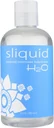 Sliquid H2O Original Sliquid GFPFpHLS | 4.9 | Water-Based | Sensitive skin, Daily use | |
#2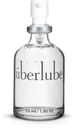 Überlube Luxury Lubricant Überlube GFPFpHLS | 4.9 | Silicone-Based | Extended sessions, Anal play | |
#3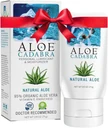 Aloe Cadabra Natural Aloe Cadabra GFPFpHLS | 4.8 | Water-Based | Natural lifestyle, Sensitive skin | |
#4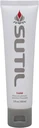 Sutil Luxe Body Glide Sutil GFPFpHLS | 4.8 | Water-Based | Luxury seekers, Ultra-premium experience | |
#5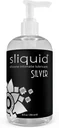 Sliquid Silver Silicone Sliquid GFPFpHLS | 4.8 | Silicone-Based | Clean-ingredient focus, Sensitive skin |
Understanding Endometriosis and Sexual Pain
Deep Dyspareunia
Pain with deep penetration is common when endometrial implants affect the uterosacral ligaments, rectovaginal septum, or pelvic floor. This deep pain can make certain positions unbearable and creates anxiety around intimacy.
Superficial Dyspareunia
Even without deep implants, chronic pelvic inflammation can cause heightened sensitivity at the vaginal opening. The anticipation of pain can also cause involuntary muscle tightening (vaginismus), creating a cycle of tension and discomfort.
Hormonal Effects
Endometriosis treatments like GnRH agonists or progestin therapy can cause severe [vaginal dryness](/guide/best-lube-for-dryness). Even those not on treatment may experience hormonal fluctuations that affect natural lubrication.
Chronic Inflammation
Ongoing inflammation in the pelvic region can make tissues more sensitive to friction and more reactive to certain ingredients. What works fine for others may cause irritation in inflamed endo tissues.
Psychological Impact
Years of painful sex create psychological barriers—fear, tension, and reduced arousal—all of which decrease natural lubrication and increase the need for external lubricant support.
Cyclical Variation
Pain often varies throughout the menstrual cycle. Many people with endo find that mid-cycle intimacy is more comfortable than immediately before or after menstruation when inflammation peaks.
Endometriosis causes tissue similar to the uterine lining to grow outside the uterus, leading to inflammation, scarring, and pain. Sexual discomfort in endometriosis has several causes:
Deep Dyspareunia
Pain with deep penetration is common when endometrial implants affect the uterosacral ligaments, rectovaginal septum, or pelvic floor. This deep pain can make certain positions unbearable and creates anxiety around intimacy.
Superficial Dyspareunia
Even without deep implants, chronic pelvic inflammation can cause heightened sensitivity at the vaginal opening. The anticipation of pain can also cause involuntary muscle tightening (vaginismus), creating a cycle of tension and discomfort.
Hormonal Effects
Endometriosis treatments like GnRH agonists or progestin therapy can cause severe vaginal dryness. Even those not on treatment may experience hormonal fluctuations that affect natural lubrication.
Chronic Inflammation
Ongoing inflammation in the pelvic region can make tissues more sensitive to friction and more reactive to certain ingredients. What works fine for others may cause irritation in inflamed endo tissues.
Psychological Impact
Years of painful sex create psychological barriers—fear, tension, and reduced arousal—all of which decrease natural lubrication and increase the need for external lubricant support.
Cyclical Variation
Pain often varies throughout the menstrual cycle. Many people with endo find that mid-cycle intimacy is more comfortable than immediately before or after menstruation when inflammation peaks.
How the Right Lubricant Helps Endometriosis Pain
Understanding how lubricants can specifically help endo-related discomfort guides better product selection and sets realistic expectations:
1Friction Reduction and Coefficient of Friction
The primary benefit of lubricant is reducing the coefficient of friction between tissues. For inflamed, sensitized endo tissues, even normal friction can trigger amplified pain responses through peripheral nerve sensitization. Long-lasting lubricants with low coefficients of friction minimize the mechanical stimulation that aggravates already-irritated tissue. Silicone-based lubricants typically maintain the lowest coefficient of friction over extended use, making them particularly valuable for endometriosis management.
2Tissue Protection and Barrier Function
Quality lubricants create a protective layer between sensitive tissues and external contact. This barrier has measurable thickness—silicone lubricants maintain a film approximately 0.5-2 micrometers thick that persists throughout activity. This buffering effect reduces direct stimulation of sensitized nerve endings, particularly helpful for superficial dyspareunia where even light touch at the vaginal introitus triggers pain responses.
3Muscle Relaxation Support and the Pain-Tension Cycle
Endometriosis creates a self-reinforcing pain-tension cycle: anticipation of pain causes pelvic floor muscle guarding, which increases friction and pressure, which causes more pain. When tissues feel well-lubricated, there's less anticipatory tension. The psychological comfort of knowing friction is minimized helps pelvic floor muscles relax, breaking the vicious cycle. Research from the International Pelvic Pain Society shows that adequate lubrication reduces pelvic floor muscle tension by up to 40% during intimacy.
4Moisture Retention and Tissue Health
For those experiencing treatment-induced dryness (common with GnRH agonists like leuprolide, dienogest, or aromatase inhibitors), lubricants with moisturizing ingredients provide hydration beyond just slipperiness. Hyaluronic acid, in particular, can hold up to 1,000 times its weight in water, providing sustained tissue hydration that supports the vaginal epithelium's natural recovery processes between intimate sessions.
5Why Longevity Matters More for Endometriosis
With endometriosis, intimacy often needs to be slower and more careful—sessions may include extended foreplay, frequent position changes, and intentional pacing. Lubricants that dry out quickly require interruptions that break the carefully built momentum of relaxation and arousal, potentially resetting the pain-tension cycle. Long-lasting formulas allow for relaxed, unrushed experiences where the focus can remain on pleasure rather than pain management.
6The Inflammation Factor: Prostaglandins and Cytokines
Endometrial implants produce prostaglandins (PGE2, PGF2α) and inflammatory cytokines that create a chronically inflamed pelvic environment. Some lubricant ingredients—particularly synthetic fragrances, propylene glycol, and high-osmolality formulations—can trigger additional inflammatory mediator release from already-primed immune cells. Choosing anti-inflammatory or truly inert ingredients avoids adding fuel to existing inflammation and may contribute to lower baseline pelvic inflammation over time.
7CBD and Emerging Therapeutics
CBD-infused lubricants represent an emerging category with potential relevance for endometriosis. Cannabidiol interacts with CB1 and CB2 receptors in pelvic tissue, and preliminary research suggests it may modulate pain signaling and reduce local inflammation. However, FDA regulation of CBD products remains limited, product quality varies enormously, and large-scale clinical trials are lacking. If considering CBD lubricant, choose products with third-party certificate of analysis (COA) testing and discuss with your healthcare provider.
Complete Ingredient Guide
Ingredient Guide for Endometriosis
Dimethicone (Silicone)
Excellent longevity, protective barrier, non-inflammatory
Hyaluronic Acid
Deep hydration, tissue-supportive, naturally soothing
Aloe Vera
Anti-inflammatory properties, soothing and healing
Vitamin E
Antioxidant, supports tissue healing
Purified Water
Base ingredient, completely non-inflammatory
CBD
Emerging research on pain reduction, not FDA approved
Xanthan Gum
Generally safe thickener, rarely causes issues
Glycerin
Can cause irritation, high osmolality
Propylene Glycol
Common irritant that may worsen inflammation
Warming Agents
Capsaicin/menthol can trigger pain responses
Numbing Agents
Mask important pain signals, don't address cause
Fragrances
Potential inflammatory triggers
Lubricant Types Compared
Lubricant Types for Endometriosis
Silicone-Based
Sensitivity Rating
5/5 for sensitive skin
Pros:
- + Exceptional longevity—no reapplication needed
- + Creates protective cushioning layer
- + Very few ingredients to react to
- + Excellent for slow, careful intimacy
Cons:
- − Not compatible with silicone toys
- − Requires soap to fully remove
- − Can feel too slick for some
Best for: Managing deep dyspareunia, treatment-induced dryness, anxiety about reapplication
Water-Based (Premium)
Sensitivity Rating
4/5 for sensitive skin
Pros:
- + Compatible with all toys
- + Easy cleanup
- + Many hypoallergenic options
- + More natural sensation
Cons:
- − May need reapplication
- − Quality varies significantly
- − Must choose glycerin-free carefully
Best for: Those using toys, preferring easy cleanup, mild to moderate symptoms
Hybrid
Sensitivity Rating
4/5 for sensitive skin
Pros:
- + Better longevity than water-based
- + Often toy-compatible
- + Balanced performance
- + Good moisture retention
Cons:
- − More ingredients to evaluate
- − Quality varies between brands
Best for: Balancing longevity with cleanup ease
What to Look For with Endometriosis
Long-Lasting Formula
The most important factor for endo sufferers. Look for silicone-based or premium water-based formulas that won't dry out during slower, more careful intimacy. Frequent reapplication disrupts comfort, increases anxiety, and resets the delicate relaxation state that pelvic floor muscles need to achieve for pain-free intimacy. A single application that lasts the entire session removes one major source of stress.
Thick, Cushioning Texture
Thicker lubricants provide better padding between sensitive tissues. Gel consistencies offer superior cushioning compared to thin, watery formulas, which is especially helpful for deep dyspareunia. The viscosity creates a physical buffer layer that absorbs some of the mechanical force transmitted to inflamed tissues and endometrial implants during penetration.
Anti-Inflammatory Ingredients
Ingredients like aloe vera (containing acemannan), vitamin E (tocopherol), and chamomile extract have documented anti-inflammatory properties. While they won't treat endometriosis, they avoid adding to the existing inflammatory burden and may provide minor soothing benefits to chronically irritated pelvic tissue. Some emerging formulas incorporate CBD for its potential anti-inflammatory and analgesic properties.
Hypoallergenic Formulation
Endo tissues are often more reactive. Choose products with minimal, body-safe ingredients that are less likely to trigger additional inflammatory responses.
pH Balanced
Maintaining vaginal pH balance supports overall tissue health, which is important when tissues are already stressed from endometriosis inflammation.
Moisturizing Properties
Look for ingredients like hyaluronic acid that provide lasting hydration, particularly if you're experiencing treatment-induced dryness.
What to Avoid with Endometriosis
- Warming or cooling agents (trigger pain receptors)
- Numbing agents like benzocaine (mask important pain signals)
- High osmolality formulas (damage already-stressed tissues)
- Glycerin and propylene glycol (irritation risk)
- Fragrances, dyes, and artificial colorants (potential inflammatory triggers that activate mast cells in already-sensitized pelvic tissue)
- Thin, watery formulas that dry quickly and require disruptive reapplication
- Spermicides like nonoxynol-9 (documented tissue damage and epithelial disruption)
- Petroleum-based products (trap bacteria and are difficult to fully remove from inflamed tissue)
- Products marketed for 'sensation enhancement,' 'warming,' or 'tingling' (these activate TRPV1 pain receptors that are already hypersensitive in endometriosis)
- Anything that has caused irritation before—sensitized tissue develops stronger reactions with repeated exposure due to immunological memory
Common Myths Debunked
Myths About Lubricants and Endometriosis
Lubricant can treat endometriosis pain
Lubricant reduces friction-related discomfort but cannot treat the underlying condition. It's one tool in a comprehensive pain management approach, not a cure. Continue working with your healthcare team on treatment.
If sex hurts, you should use numbing lubricant
Numbing lubricants mask pain signals that tell you to stop or adjust. This can lead to tissue damage you won't feel until later. Better to use position modifications, communication, and quality lubricant than to numb important signals.
More lubricant is always better for endo pain
While adequate lubrication is crucial, quality matters more than quantity. A small amount of long-lasting silicone may outperform large amounts of a thin water-based formula.
Natural lubricants are better for endometriosis
Natural ingredients aren't inherently better for endo and may contain plant compounds that trigger reactions. Focus on hypoallergenic, long-lasting formulas regardless of 'natural' marketing.
You should push through mild pain with enough lubricant
Pain is information. While lubricant helps with friction discomfort, persistent pain even with lubricant means something else is wrong. Don't try to override your body's signals.
Positioning and Technique Tips
Beyond lubricant choice, positioning and technique significantly impact endo-related sexual pain. A comprehensive approach that combines optimal positioning, adequate lubrication, and open communication can transform the intimate experience for people managing endometriosis.
Timing Matters
Track your pain patterns throughout your cycle using a symptom diary or app. Many find mid-cycle (around ovulation) least painful, while the week before menstruation is often worst. Plan intimacy during your most comfortable times. Some medications (GnRH agonists, hormonal contraceptives) alter or eliminate cycling, which may change your pain patterns—adjust tracking accordingly.
Warm-Up Is Essential
Extended foreplay—ideally 20-30 minutes—increases natural lubrication and relaxes pelvic muscles. Never skip warm-up—tense, dry tissues make pain worse regardless of lubricant quality. The parasympathetic nervous system activation that occurs during extended foreplay also reduces pelvic floor muscle tension, which is frequently elevated in endometriosis patients due to chronic pain-guarding reflexes.
Position Modifications
- Side-lying positions allow more control over depth and are gentler on adhesion-affected areas - Spooning limits deep penetration, reducing contact with posterior cul-de-sac implants (the most common site of deep infiltrating endometriosis) - Partner-on-top positions let you control speed, depth, and angle—critical for avoiding painful areas - Pillow under hips can change angles to avoid painful spots, particularly uterosacral ligament involvement - Avoid positions with deep penetration if you have cul-de-sac or uterosacral ligament implants
Communication Strategies
Develop signals with your partner for "stop," "slower," and "change position" that don't require breaking the moment to explain. A simple traffic light system (green = good, yellow = slow down, red = stop) is intuitive and requires minimal disruption. Discuss these signals outside of intimate moments when both partners can speak openly without pressure.
The Pelvic Floor Connection
Up to 80% of women with endometriosis develop secondary pelvic floor dysfunction—chronic muscle tension resulting from pain-guarding reflexes. This tension independently contributes to sexual pain and can persist even after successful endometriosis treatment. Consider pelvic floor physical therapy as a complement to your lubricant strategy. A trained pelvic floor therapist can teach relaxation techniques, internal [massage](/guide/best-lube-for-massage), and stretching that directly improve intimate comfort.
Apply Lubricant Generously
Apply to both partners and internally if comfortable. Don't wait until friction starts—begin well-lubricated. For endometriosis, pre-application is especially important because pain-related muscle tension can reduce natural lubrication even when arousal is present.
Have Options Available
Keep both water-based and silicone options nearby. What works one day may not work another, and having choices reduces pressure. Some women find that silicone works better during higher-pain days due to its superior longevity, while water-based is preferred during lower-pain periods for its lighter feel.
Post-Intimacy Care
Warm baths, heating pads, and anti-inflammatory medication (ibuprofen taken 30 minutes before intimacy can also be preventive) can help manage any post-intimacy flare. Plan for gentle recovery time. Some women find that scheduling intimacy earlier in the day allows time for recovery before bed, resulting in better sleep quality.
When to See Your Healthcare Provider
Seek care immediately if
Discuss with your doctor
Building Your Care Team
While lubricant can help manage friction-related discomfort, it's critical to recognize when symptoms require professional medical intervention. Lubricant is a symptom management tool—not a treatment for endometriosis itself.
Seek care immediately if
- Pain persists or worsens despite using quality lubricant and position modifications
- You experience new pain patterns, new pain locations, or sudden changes in symptom severity
- Bleeding occurs during or after intimacy (post-coital bleeding requires investigation)
- Pain significantly impacts your quality of life, relationships, or mental health
- You're avoiding intimacy entirely due to pain—this level of avoidance warrants intervention
- Current endo treatment isn't adequately managing symptoms affecting sexual function
- You notice signs of infection (unusual discharge, fever, pelvic pain unrelated to activity)
- You experience urinary or bowel symptoms associated with intimacy
Discuss with your doctor
- Whether prescription options might help (vaginal estrogen for treatment-induced atrophy, topical lidocaine for vestibulodynia that may co-exist with endo)
- If pelvic floor physical therapy could address secondary muscle tension and guarding patterns
- Updating your treatment plan if current approach isn't adequately managing dyspareunia
- Whether surgical intervention (excision surgery for deep endometrial implants) might improve sexual function
- Mental health support for pain-related intimacy anxiety and relationship strain
- Whether you're an appropriate candidate for nerve block procedures targeting specific pain pathways
- Hormonal management options that balance symptom control with quality of life
Building Your Care Team
- Endometriosis excision surgeon (not just general gynecologist—surgical technique matters enormously)
- Pelvic floor physical therapist experienced with chronic pelvic pain
- Pain management specialist familiar with visceral and neuropathic pain mechanisms
- Sexual health counselor or psychologist specializing in chronic pain's impact on intimacy
- Support groups (Endo Warriors, Nancy's Nook) for community connection and specialist referrals
Expert Tip
For endometriosis, silicone lubricant is often the best choice due to its exceptional longevity and cushioning properties. Apply generously before beginning and consider keeping silicone wipes nearby for easy cleanup afterward. If silicone feels too slick, a premium glycerin-free water-based with hyaluronic acid is an excellent alternative.
Related Guides & Resources
Best Lube for Vulvodynia
Managing chronic pain
Best Lube for Vaginismus
Pelvic pain support
Best Lube for PCOS
Hormonal condition support
Best Lube for Sensitive Skin
Gentle, non-irritating options
Best Lube for IVF & Fertility
Fertility-safe with endo
Best Lube for Menopause
Long-lasting dryness solutions
Silicone-Based Lubricants
Long-lasting protection
Hybrid Lubricants
Balanced performance options
Frequently Asked Questions
Explore All 37+ Lubricant Guides
Browse our complete buyer's guide hub with guides organized by health conditions, activities, relationships, and preferences.
View Complete Buyer's GuideRelated Guides
Best Lube for Vaginismus
Ultra-gentle formulas for dilator therapy and comfortable intimacy
Best Lube for Vulvodynia
Ultra-gentle formulas designed for chronic vulvar pain conditions
Best Lube for PCOS
Hormone-safe formulas for polycystic ovary syndrome
Best Lube for Dryness
Long-lasting, moisturizing formulas that restore comfort
Best Lube for Sensitive Skin
Gentle, hypoallergenic formulas that won't irritate
Best Lube for Toys
Safe, compatible formulas for every toy material