
Best Lubricants for Eczema & Psoriasis
Ultra-gentle formulas for compromised skin conditions
 Dr. Sarah ChenMD, OB-GYN, FACOG
Eczema and psoriasis can affect intimate areas, making lubricant selection critical. Compromised skin barriers mean higher absorption and greater sensitivity to irritating ingredients. The wrong lubricant can trigger flares, while the right one provides comfort without aggravating these conditions.
Eczema and psoriasis can affect intimate areas, making lubricant selection critical. Compromised skin barriers mean higher absorption and greater sensitivity to irritating ingredients. The wrong lubricant can trigger flares, while the right one provides comfort without aggravating these conditions.
Living with inflammatory skin conditions like atopic dermatitis (eczema) or psoriasis means every product that touches your skin must be carefully evaluated. This is especially true for intimate products, where the genital skin is already thinner and more permeable than skin elsewhere on the body. Studies show that genital tissue can absorb chemicals at rates 6-10x higher than forearm skin, making ingredient safety paramount for those with compromised barriers.
According to the National Eczema Association, over 31 million Americans live with some form of eczema, while the National Psoriasis Foundation estimates 8 million Americans have psoriasis. Both conditions can affect the vulva, penis, perineum, and surrounding areas—yet intimate product safety for these populations is rarely discussed. The intersection of dermatological health and sexual wellness represents a significant gap in patient education and healthcare provider guidance.
This comprehensive guide identifies the gentlest lubricants for those managing eczema, psoriasis, or other inflammatory skin conditions. We examine the science behind barrier dysfunction, analyze specific ingredients to seek and avoid, and provide practical strategies for maintaining intimate comfort even during active flares. Our analysis draws from peer-reviewed dermatological research, ingredient safety databases (EWG Skin Deep, CIR), and real-world experiences from the eczema and psoriasis communities.
**Why This Guide Matters** - Genital eczema affects up to 30% of eczema patients at some point in their lives - Inverse psoriasis specifically targets skin folds including the groin, making intimate lubrication essential - Standard lubricant ingredient lists contain multiple potential triggers including fragrances, preservatives, and penetration enhancers - Medical-grade options exist but are not widely known or recommended by healthcare providers - The right lubricant can actually support barrier recovery while the wrong one compounds existing damage - Many patients avoid intimacy entirely during flares, impacting relationships and mental health unnecessarily
Whether you have mild, occasional eczema or severe psoriasis requiring biologic therapy, this guide helps you navigate lubricant choices with confidence. We provide evidence-based recommendations that account for the spectrum of skin condition severity, from recently diagnosed to treatment-resistant cases. Understanding the molecular interactions between lubricant ingredients and compromised skin empowers you to make choices that protect your skin while maintaining the intimate connections that matter to your quality of life.
For those with general skin sensitivity without a diagnosed condition, our sensitive skin guide may be a better starting point. If your condition overlaps with vulvodynia or dryness, those specialized guides provide additional targeted advice that complements the recommendations here.
**Related Guides for Skin Conditions** Explore our sensitive skin guide, latex allergy alternatives, vulvodynia resources, and pH-balanced options. For related health topics, see our vegan and cruelty-free guide and natural lubricant options. Browse our ingredient guide to understand formulations, or visit our buyers guide. Take our personalized quiz for tailored recommendations.
Recommended Lubricant Types
Based on this guide, these lubricant categories are most relevant to your needs:
Our Top Picks for Eczema and Psoriasis
Expert-selected products that meet these specific needs
| Product | Score | Type | Best For | |
|---|---|---|---|---|
#1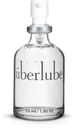 Überlube Luxury Lubricant Überlube GFPFpHLS | 4.9 | Silicone-Based | Extended sessions, Anal play | |
#2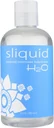 Sliquid H2O Original Sliquid GFPFpHLS | 4.9 | Water-Based | Sensitive skin, Daily use | |
#3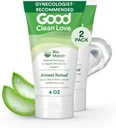 Almost Naked Organic Good Clean Love GFPFpHLS | 4.8 | Water-Based | Organic lifestyle, Vaginal health | |
#4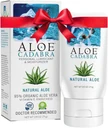 Aloe Cadabra Natural Aloe Cadabra GFPFpHLS | 4.8 | Water-Based | Natural lifestyle, Sensitive skin | |
#5 Sutil Luxe Body Glide Sutil GFPFpHLS | 4.8 | Water-Based | Luxury seekers, Ultra-premium experience |
Skin Conditions and Intimate Areas
How Eczema Affects Intimate Areas
Atopic dermatitis (eczema) involves a deficiency in filaggrin—a protein essential for maintaining the skin barrier. When filaggrin production is impaired, the outer layer of skin develops microscopic gaps that allow irritants to penetrate and moisture to escape. In intimate areas, this means:
Increased transepidermal water loss (TEWL)
Genital skin already has higher TEWL than other body areas. Eczema amplifies this, creating chronic dryness that makes lubrication essential
Enhanced chemical penetration
Ingredients that might be harmless on intact skin can trigger immune responses when they reach deeper layers through compromised barriers
Altered microbiome
Eczema disrupts the natural bacterial communities that protect against infections, making [pH-balanced](/guide/best-lube-for-ph-sensitive) products critical
Nerve sensitization
Chronic inflammation can sensitize nerve endings, making even mild irritants feel painful
Contact dermatitis overlap
Many eczema patients also develop contact allergies to common cosmetic ingredients
How Psoriasis Affects Intimate Areas
Psoriasis is an autoimmune condition where skin cells reproduce too rapidly, creating thick, scaly plaques. Inverse psoriasis—which affects skin folds including the groin, buttocks, and under breasts—is particularly relevant for intimate product selection:
Koebner phenomenon
New psoriasis lesions can appear at sites of skin trauma, including friction from intimacy. Adequate lubrication helps prevent this
Increased skin fragility
Psoriatic skin is paradoxically both thickened and fragile, prone to cracking and bleeding
Medication interactions
Topical treatments for genital psoriasis may interact with lubricant ingredients
Emotional impact
Visible plaques in intimate areas can affect confidence and desire, making comfortable intimacy especially important
Cyclic flaring
Stress and physical trauma can trigger flares, creating a cycle where intimacy anxiety worsens the condition
Genital-Specific Considerations
The genital area presents unique challenges for both conditions:
Eczema Considerations
- Avoid all fragrances and preservatives that cross the compromised barrier
Psoriasis Considerations
- Avoid products that may trigger Koebner phenomenon through chemical irritation
Eczema and psoriasis present unique and overlapping challenges for intimate product selection. Understanding the mechanisms behind each condition helps explain why certain lubricants work better than others.
How Eczema Affects Intimate Areas
Atopic dermatitis (eczema) involves a deficiency in filaggrin—a protein essential for maintaining the skin barrier. When filaggrin production is impaired, the outer layer of skin develops microscopic gaps that allow irritants to penetrate and moisture to escape. In intimate areas, this means:
- **Increased transepidermal water loss (TEWL)**: Genital skin already has higher TEWL than other body areas. Eczema amplifies this, creating chronic dryness that makes lubrication essential - **Enhanced chemical penetration**: Ingredients that might be harmless on intact skin can trigger immune responses when they reach deeper layers through compromised barriers - **Altered microbiome**: Eczema disrupts the natural bacterial communities that protect against infections, making pH-balanced products critical - **Nerve sensitization**: Chronic inflammation can sensitize nerve endings, making even mild irritants feel painful - **Contact dermatitis overlap**: Many eczema patients also develop contact allergies to common cosmetic ingredients
How Psoriasis Affects Intimate Areas
Psoriasis is an autoimmune condition where skin cells reproduce too rapidly, creating thick, scaly plaques. Inverse psoriasis—which affects skin folds including the groin, buttocks, and under breasts—is particularly relevant for intimate product selection:
- **Koebner phenomenon**: New psoriasis lesions can appear at sites of skin trauma, including friction from intimacy. Adequate lubrication helps prevent this - **Increased skin fragility**: Psoriatic skin is paradoxically both thickened and fragile, prone to cracking and bleeding - **Medication interactions**: Topical treatments for genital psoriasis may interact with lubricant ingredients - **Emotional impact**: Visible plaques in intimate areas can affect confidence and desire, making comfortable intimacy especially important - **Cyclic flaring**: Stress and physical trauma can trigger flares, creating a cycle where intimacy anxiety worsens the condition
Genital-Specific Considerations
The genital area presents unique challenges for both conditions: - Genital skin is 6-42x more permeable than forearm skin (depending on the specific area) - Occlusion from clothing traps moisture and ingredients against skin longer - The warm, moist environment can accelerate chemical reactions - Friction during intimacy can create micro-tears in already compromised tissue - The vaginal and penile mucosa have no stratum corneum (outer barrier layer), making them especially vulnerable
Eczema Considerations
- Avoid all fragrances and preservatives that cross the compromised barrier - Minimize total ingredient exposure—fewer ingredients mean fewer potential triggers - Choose hypoallergenic formulas tested on sensitive populations - Watch for delayed reactions (contact dermatitis can appear 24-72 hours later) - Consider that eczema medications (topical steroids) may thin skin further
Psoriasis Considerations
- Avoid products that may trigger Koebner phenomenon through chemical irritation - Gentle, well-lubricated intimacy reduces mechanical trauma risk - Some natural ingredients (tea tree oil, for example) may worsen psoriasis - Individual triggers vary widely—what helps one person may harm another - Biologic medications don't typically interact with topical lubricants, but check with your dermatologist
The Science of Skin Barrier Dysfunction and Lubricants
Understanding the molecular mechanisms behind eczema and psoriasis helps explain why certain lubricants work better and why some seemingly harmless ingredients can trigger severe reactions. This knowledge empowers you to evaluate any lubricant's ingredient list with confidence.
1Filaggrin and the Skin Barrier
The skin barrier functions like a brick wall: skin cells (corneocytes) are the bricks, and lipids between them are the mortar. Filaggrin is a protein crucial for constructing and maintaining this wall. In eczema, filaggrin gene mutations (FLG null mutations on chromosome 1q21) are present in up to 50% of patients, leading to:
2The Ceramide Connection
Ceramides are lipid molecules essential for maintaining the skin barrier's waterproofing function. Both eczema and psoriasis are associated with altered ceramide profiles:
3Osmolality and Cellular Damage
The WHO has identified osmolality as a critical factor in lubricant safety. Osmolality measures the concentration of dissolved particles in a solution. When a hyperosmolar lubricant (osmolality >1200 mOsm/kg) contacts epithelial cells:
4The Koebner Phenomenon in Psoriasis
The Koebner phenomenon (isomorphic response) occurs when new psoriatic lesions develop at sites of skin trauma. This includes:
5Inflammation Cascade
Both eczema and psoriasis involve dysregulated immune responses, but through different pathways:
6pH Considerations
Healthy vaginal pH ranges from 3.8-4.5. Eczema and psoriasis can alter genital skin pH—eczematous skin typically shifts alkaline (pH 6-7), while psoriatic plaques may show variable pH depending on thickness. Many lubricants have pH values of 6-8 (especially those designed for anal use). Applying an alkaline lubricant to acidic tissue can:
Complete Ingredient Guide
Ingredients for Sensitive Skin Conditions
Dimethicone (Silicone)
Inert polymer that forms a protective barrier without penetrating compromised skin—molecular weight too large for absorption
Purified Water
Clean base with zero irritation potential, used in all water-based formulations
Vitamin E (Tocopherol)
Natural antioxidant that may support skin healing and barrier repair—ensure it's tocopherol, not tocopheryl acetate
Hyaluronic Acid
Hydrating humectant generally well-tolerated by eczema/psoriasis patients, supports moisture retention without barrier disruption
Cyclomethicone
Evaporative silicone that provides initial slip then evaporates to leave smooth, dry finish—excellent for sensitive skin
Dimethiconol
High-viscosity silicone that provides superior cushioning and friction reduction for fragile psoriatic skin
Squalane
Plant-derived emollient that mimics skin's natural lipids, supporting barrier function without triggering immune responses
Aloe Vera
Soothing and anti-inflammatory for many but contains proteins some eczema patients react to—always patch test 48 hours first
Hydroxyethylcellulose
Common cellulose-derived thickener, generally safe but individual reactions possible in severely compromised barriers
Citric Acid
pH adjuster that can cause significant stinging on broken or fissured skin—avoid during active flares with open lesions
Xanthan Gum
Natural thickener from bacterial fermentation, rarely irritating but should be patch tested as with all ingredients
Fragrances
Major trigger for both conditions—the International Fragrance Association lists over 2,500 fragrance chemicals, any of which can sensitize
Propylene Glycol
Penetration enhancer that drives other chemicals deeper into compromised barriers, amplifying irritation risk
Parabens
Preservatives (methylparaben, propylparaben) that are documented contact allergens in eczema populations
Essential Oils
Despite 'natural' marketing, terpenes and phenols in essential oils are among the most common contact sensitizers for skin conditions
Chlorhexidine
Antimicrobial preservative and common contact allergen—increasingly recognized as problematic in dermatological populations
Nonoxynol-9
Spermicide that actively destroys tissue barrier through surfactant action—extremely harmful for eczema/psoriasis
Methylisothiazolinone (MI)
Preservative and #1 emerging contact allergen—banned in EU leave-on cosmetics but still found in some lubricants
Lubricant Types Compared
Lubricant Types for Skin Conditions
Medical-Grade Silicone
Sensitivity Rating
5/5 for sensitive skin
Pros:
- + Minimal ingredients (often just 2-3)
- + Forms protective barrier without absorbing
- + Hypoallergenic by nature
- + No preservatives needed
- + Excellent for Koebner prevention
Cons:
- − Not compatible with silicone toys
- − Requires soap for cleanup
- − May stain some fabrics
Best for: Those with reactive eczema or psoriasis—the gold standard for compromised skin
Ultra-Clean Water-Based
Sensitivity Rating
4/5 for sensitive skin
Pros:
- + Easy cleanup
- + Many fragrance-free options available
- + Compatible with all toys and condoms
- + Can include skin-supporting ingredients like hyaluronic acid
Cons:
- − More ingredients to evaluate
- − May require reapplication
- − Preservatives are necessary (choose wisely)
Best for: Those who tolerate simple water-based formulas and need toy compatibility
What to Look For
Minimal Ingredients
Fewer ingredients mean fewer potential triggers. Silicone lubricants with 2-4 ingredients are often safest for compromised skin. Every additional ingredient is another potential allergen or irritant that can penetrate compromised barriers and trigger immune responses. Compare: a silicone lubricant with dimethicone, dimethiconol, and cyclomethicone (3 ingredients, 3 potential triggers) versus a water-based formula with 15-20 ingredients. For eczema and psoriasis patients, the math strongly favors simplicity.
Fragrance-Free (Verified)
Fragrances are among the top triggers for eczema and psoriasis flares—the International Fragrance Association catalogs over 2,500 individual fragrance chemicals. Always choose unscented products and verify that 'unscented' means no masking fragrances are used. Read ingredient lists carefully: terms like 'parfum,' 'fragrance,' and 'aroma' all indicate added scent chemicals that should be avoided completely.
Hypoallergenic with Clinical Testing
Products tested for allergic reactions on sensitive populations are better choices for reactive skin. However, 'hypoallergenic' is not a regulated term—any manufacturer can use it. Look for specific clinical testing documentation, dermatologist endorsement from board-certified practitioners, and ideally testing on populations with eczema or psoriasis specifically, not just general 'sensitive skin' testing.
Dermatologist-Tested and Recommended
Products tested and recommended by dermatologists offer additional safety assurance, especially those tested specifically for genital use on patients with inflammatory skin conditions. Some brands like Pjur Med and Sliquid work with dermatological consultants to formulate products specifically for reactive skin populations.
Barrier-Forming Properties
Silicone lubricants sit on top of skin rather than absorbing, creating a protective layer that shields compromised tissue from friction and further mechanical damage. This is particularly important for psoriasis patients where the Koebner phenomenon means friction can trigger new lesions. The barrier also prevents environmental irritants from contacting damaged skin during intimacy.
ISO-Certified Osmolality
The WHO recommends lubricants with osmolality below 1200 mOsm/kg for all users. For eczema and psoriasis patients with already-compromised barriers, this threshold is even more critical. High-osmolality products draw moisture from cells through osmosis—devastating for already-dry eczematous skin and potentially triggering inflammatory responses in psoriatic tissue. Silicone lubricants bypass osmolality concerns entirely because they are not aqueous solutions.
Medical-Grade Manufacturing
Products manufactured under medical-grade standards (FDA-cleared as Class II medical devices or CE-marked) undergo quality controls that cosmetic-grade products do not. This includes purity testing, sterility protocols, and batch consistency verification—all important when your skin barrier cannot filter out contaminants that healthy skin would block.
What to Avoid
- All fragrances and perfumes including 'natural' fragrance from essential oils and botanical extracts
- Essential oils (lavender, tea tree, peppermint, eucalyptus—all documented contact sensitizers for skin condition patients)
- Propylene glycol (penetration enhancer that drives other chemicals deeper into compromised barriers, amplifying irritation risk)
- Parabens (methylparaben, propylparaben, butylparaben—documented contact allergens in eczema populations)
- Warming or cooling agents (menthol, capsaicin derivatives, cinnamon—can cause severe burning on compromised tissue)
- Dyes and colorants (unnecessary chemicals that add zero benefit and increase irritation risk)
- Glycerin in high concentrations (increases osmolality significantly, potentially worsening barrier dehydration)
- Chlorhexidine (common contact allergen in eczema patients, disrupts skin microbiome)
- Nonoxynol-9 (surfactant that actively destroys tissue barriers through detergent action)
- Methylisothiazolinone (MI) and methylchloroisothiazolinone (MCI)—the #1 emerging contact allergens in personal care products
- Products with 10+ ingredients (higher cumulative irritation risk from combined exposure on compromised barriers)
- Any product that stings on application—this is your immune system warning you to stop immediately
Common Myths Debunked
Skin Condition Myths
Natural ingredients are always safe for eczema
Many natural ingredients like essential oils, botanical extracts, and even aloe vera are common triggers for eczema and psoriasis. Tea tree oil, frequently marketed as 'healing,' is one of the most common causes of contact dermatitis. Natural does not mean gentle for compromised skin conditions.
If my skin is clear, any lubricant is fine
Even during remission, the underlying barrier dysfunction persists. Subclinical inflammation means your skin is still more reactive than healthy skin. Sticking with gentle formulas helps prevent flares and extends remission periods.
Coconut oil is safe because it's natural and moisturizing
While coconut oil has antimicrobial properties, it can clog pores, disrupt vaginal pH, degrade latex condoms, and contains proteins that some eczema patients react to. It's not recommended for genital use with skin conditions.
Expensive specialty lubricants are always better
Price doesn't determine safety for sensitive skin. Some expensive 'luxury' lubricants contain fragrances and botanical extracts that are worse than simple, affordable options. A 3-ingredient silicone lubricant often outperforms a 20-ingredient premium formula for eczema and psoriasis.
If it doesn't burn immediately, it's safe
Contact dermatitis from lubricant ingredients can take 24-72 hours to appear. Immediate comfort doesn't guarantee long-term safety. Always complete a full 48-hour patch test before intimate use.
Comprehensive Testing Protocol for Skin Conditions
When you have eczema or psoriasis, introducing any new product requires careful, systematic testing. Rushing this process can result in severe flares that take weeks to resolve.
Phase 1: Ingredient Review (Before Purchase)
1. Compare the ingredient list against your known triggers 2. Check for red-flag ingredients: fragrances, propylene glycol, parabens, essential oils 3. Count total ingredients—fewer is generally safer 4. Research the brand's manufacturing practices (medical-grade vs. cosmetic) 5. Look for clinical testing data specific to sensitive skin populations
Phase 2: Inner Forearm Patch Test
1. Apply a small amount (pea-sized) to the inner forearm 2. Cover with a breathable bandage 3. Leave for 24 hours, checking periodically for redness, itching, or bumps 4. If no reaction at 24 hours, leave the bandage area uncovered and wait another 24 hours 5. Total waiting period: 48 hours minimum
Phase 3: Inner Thigh Patch Test
1. If the forearm test passes, apply to the inner thigh (closer to genital skin type) 2. Wait 24-48 hours for any delayed reactions 3. Monitor for redness, itching, burning, or new eczema/psoriasis patches
Phase 4: Limited Intimate Use
1. Apply a small amount to the outer genital area only 2. Wait 24 hours for any reaction 3. If tolerated, proceed with normal use during intimacy 4. Monitor for 48-72 hours after first intimate use
Phase 5: Ongoing Monitoring
1. Keep a log of products used and any skin changes 2. Note whether reactions are immediate or delayed 3. Track whether certain combinations of products cause issues 4. Re-evaluate if you change any other skincare products or medications
During Active Flares
- Do NOT introduce new products during active flares - Stick with previously tested, known-safe lubricants - Consider abstaining from penetrative intimacy during severe genital flares - Focus on intimate activities that don't involve affected areas - Consult your dermatologist about timing product introductions
Medication Interactions
- If using topical steroids on genital areas, wait at least 30 minutes before applying lubricant - Topical calcineurin inhibitors (tacrolimus, pimecrolimus) may interact with some ingredients - Inform your dermatologist about your lubricant choices during treatment discussions - Some biologics may alter skin sensitivity—retest lubricants after starting new medications
Record-Keeping Template
Track: Product name, date tested, ingredients, application site, time-to-reaction (if any), reaction description, and severity (1-10). This information is invaluable for your dermatologist and for identifying patterns in your triggers.
Expert Tip
Medical-grade silicone lubricants like Überlube are often best tolerated by those with eczema or psoriasis—they have minimal ingredients and form a protective barrier rather than absorbing into skin. For psoriasis patients specifically, the barrier-forming property helps prevent Koebner phenomenon triggered by friction. Always complete a full 48-hour patch test on a less sensitive area first, and never introduce new products during active flares.
Related Guides & Resources
Best Lube for Sensitive Skin
General sensitivity guide
Best Lube for Vulvodynia
Managing chronic pain
Best Lube for Latex Allergy
Avoiding allergic reactions
Best Lube for Yeast Infection Prevention
Clean formulas
Best Lube for BV-Prone Women
pH-balanced options
Best Lube for pH-Sensitive Women
Maintaining vaginal balance
Überlube vs Pjur
Top silicone options compared
Silicone-Based Lubricants
Minimal-ingredient formulas
Water-Based Lubricants
Gentle water-based options
Frequently Asked Questions
Explore All 37+ Lubricant Guides
Browse our complete buyer's guide hub with guides organized by health conditions, activities, relationships, and preferences.
View Complete Buyer's GuideRelated Guides
Best Lube for Sensitive Skin
Gentle, hypoallergenic formulas that won't irritate
Best Lube for Latex Allergy
Safe formulas for latex-sensitive individuals
Best pH-Balanced Lubricants
Formulas that support your body's natural chemistry
Best Lube for Dryness
Long-lasting, moisturizing formulas that restore comfort
Best Lube for Toys
Safe, compatible formulas for every toy material
Best Lube for Menopause
Restore comfort and pleasure during hormonal changes