
Best Lubricants for Condom Use
Safe formulas that enhance sensation without compromising protection
 Dr. Sarah ChenMD, OB-GYN, FACOG
Using lubricant with condoms is one of the smartest sexual health decisions you can make. Proper lubrication reduces friction that can cause condom breakage, enhances sensation for both partners, and makes protected sex more comfortable and pleasurable. However, the wrong lubricant can actually compromise condom integrity, defeating the purpose of protection entirely.
Using lubricant with condoms is one of the smartest sexual health decisions you can make. Proper lubrication reduces friction that can cause condom breakage, enhances sensation for both partners, and makes protected sex more comfortable and pleasurable. However, the wrong lubricant can actually compromise condom integrity, defeating the purpose of protection entirely.
The key to safe condom-lubricant pairing lies in understanding material compatibility. Different condom materials react differently to various lubricant bases, and using an incompatible combination can cause the condom to weaken, tear, or fail during use. This is not a theoretical concern—oil-based lubricants can cause latex condoms to fail within minutes of contact.
Our team has tested over 40 lubricants specifically for condom compatibility, evaluating both safety and sensation enhancement. This guide provides everything you need to know about choosing lubricants that protect your protection while making safe sex feel even better. Whether you use latex, polyisoprene, or polyurethane condoms, we will help you find the perfect pairing.
**The Breakage Statistics That Should Motivate You** According to a comprehensive review published in *Contraception*, condom breakage rates during vaginal intercourse range from 0.4% to 6.5% per use. While these numbers may sound small, consider the cumulative risk: at a 2% breakage rate over 100 uses, you can expect approximately two failures. Research consistently identifies insufficient lubrication as the leading modifiable risk factor for condom failure. A 2023 study in the *Journal of Sexual Medicine* found that adding compatible lubricant reduced breakage rates by 50-70%, making it one of the simplest and most effective ways to improve contraceptive and STI prevention reliability.
**Why Pre-Lubricated Condoms Aren't Enough** Most condoms come pre-lubricated, but the amount of lubricant applied during manufacturing is minimal—typically 300-500mg, which provides initial comfort but is insufficient for extended sessions. Pre-applied lubricant begins evaporating from the moment the package is sealed and continues degrading throughout the condom's shelf life. By the time you open a condom that's been sitting in your nightstand for six months, the pre-applied lubricant may have lost up to 40% of its effectiveness. Supplementing with additional compatible lubricant addresses this gap and significantly improves both safety and sensation.
**Related Guides for Safer Sex** For comprehensive sexual health, explore our LGBTQ+ guide, anal sex lubricants, first-timers guide, and couples recommendations. Browse our water-based lubricants (always condom-safe) and silicone-based options (also condom-safe). Check our latex allergy guide for non-latex options. Visit our buyers guide, ingredient guide, brand comparison, or take our personalized quiz.
Recommended Lubricant Types
Based on this guide, these lubricant categories are most relevant to your needs:
Our Top Picks for Condoms
Expert-selected products that meet these specific needs
| Product | Score | Type | Best For | |
|---|---|---|---|---|
#1 pjur ORIGINAL Bodyglide pjur GFPFpHLS | 4.8 | Silicone-Based | Marathon sessions, Anal intimacy | |
#2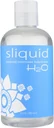 Sliquid H2O Original Sliquid GFPFpHLS | 4.9 | Water-Based | Sensitive skin, Daily use | |
#3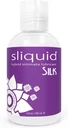 Sliquid Silk Hybrid Sliquid GFPFpHLS | 4.9 | Hybrid | Extended sessions, Toy use | |
#4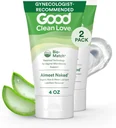 Good Clean Love Almost Naked Good Clean Love GFPFpHLS | 4.8 | Natural & Organic | Sensitive Skin, pH Balance | |
#5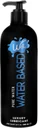 Wet Original Wet pHLS | 4.6 | Water-Based | Extended sessions, Couples |
Understanding Condom Materials
Latex Condoms (Most Common)
Latex is the most widely used condom material. It is effective, affordable, and provides good sensation. However, latex has a critical vulnerability: oil-based products degrade latex rapidly.
Polyisoprene Condoms
Polyisoprene is a synthetic rubber that mimics latex properties without the latex proteins that cause allergies. It has the same lubricant compatibility as latex.
Polyurethane Condoms
Polyurethane is a type of plastic that conducts heat better than latex and is compatible with oil-based lubricants. However, polyurethane condoms are less stretchy and may have higher breakage rates.
Lambskin/Natural Membrane Condoms
Made from lamb intestinal membrane, these condoms are compatible with all lubricant types but do NOT protect against STIs—only [pregnancy](/guide/best-lube-for-pregnancy). They have small pores that sperm cannot pass through but that viruses can.
Different condom materials have different lubricant compatibility requirements. Understanding your condom material is the first step to safe lubricant selection.
Latex Condoms (Most Common)
Latex is the most widely used condom material. It is effective, affordable, and provides good sensation. However, latex has a critical vulnerability: oil-based products degrade latex rapidly. - Compatible with: Water-based and silicone-based lubricants - Incompatible with: ALL oil-based products (including coconut oil, petroleum jelly, massage oils) - Note: Latex allergies affect approximately 1-6% of the population
Polyisoprene Condoms
Polyisoprene is a synthetic rubber that mimics latex properties without the latex proteins that cause allergies. It has the same lubricant compatibility as latex. - Compatible with: Water-based and silicone-based lubricants - Incompatible with: ALL oil-based products - Popular brands: Skyn, Lifestyles SKYN
Polyurethane Condoms
Polyurethane is a type of plastic that conducts heat better than latex and is compatible with oil-based lubricants. However, polyurethane condoms are less stretchy and may have higher breakage rates. - Compatible with: Water-based, silicone-based, AND oil-based lubricants - Note: Less elastic than latex; may require proper sizing - Popular brands: Trojan Supra, FC2 Internal Condom
Lambskin/Natural Membrane Condoms
Made from lamb intestinal membrane, these condoms are compatible with all lubricant types but do NOT protect against STIs—only pregnancy. They have small pores that sperm cannot pass through but that viruses can. - Compatible with: All lubricant types - Important: NOT effective against STIs - Use only when STI protection is not needed
Why Lubricant Compatibility Matters
Understanding the science behind lubricant-condom interactions helps explain why compatibility is critical for safety.
1How Oil Degrades Latex
Oil molecules interact with the polymer chains that give latex its strength and elasticity. When oil contacts latex:
2Why Silicone Is Safe
Silicone lubricants have a completely different molecular structure than oils. Silicone polymers do not interact with or break down latex polymer chains. They provide excellent lubrication without any structural impact on latex or polyisoprene condoms.
3Water-Based Safety
Water-based lubricants are safe with all condom materials because water does not chemically interact with any of them. Water simply provides a slip layer between surfaces without affecting material integrity.
4Polyurethane Exception
Polyurethane is a plastic, not a rubber. Its polymer structure does not break down when exposed to oils. This is why polyurethane condoms (and internal/female condoms made from this material) are compatible with oil-based lubricants.
5Friction and Breakage
Beyond material compatibility, adequate lubrication is essential for condom integrity:
Lubricant Types Compared
Lubricant Types for Condom Use
Water-Based
Sensitivity Rating
5/5 for sensitive skin
Pros:
- + Safe with ALL condom types
- + Wide variety of formulas
- + Easy cleanup
- + Good for sensitive skin options
Cons:
- − May need reapplication
- − Not ideal for water play
- − Some can get sticky
Best for: Most condom users, sensitive skin, latex allergy alternatives
Silicone-Based
Sensitivity Rating
5/5 for sensitive skin
Pros:
- + Safe with ALL condom types
- + Exceptional longevity
- + Works in water
- + Never gets sticky
Cons:
- − Not compatible with silicone toys
- − Harder to clean
- − May stain fabrics
Best for: Longer sessions, water play, those who dislike reapplying
Oil-Based
Sensitivity Rating
1/5 for sensitive skin
Pros:
- + Long-lasting
- + Can use with polyurethane condoms
Cons:
- − DESTROYS latex and polyisoprene
- − NOT safe with most condoms
- − Difficult cleanup
Best for: ONLY polyurethane condoms (not recommended for most users)
What to Look For in a Condom-Safe Lubricant
Water-Based or Silicone-Based Formula
For latex and polyisoprene condoms, stick exclusively to water-based or silicone-based lubricants. Check the label or ingredient list to confirm—if you see oils listed, it is not safe for latex condoms. When in doubt, water-based is always the safest choice.
Explicit Condom Compatibility Statement
Quality lubricant brands clearly state condom compatibility on their packaging. Look for statements like 'safe for use with latex condoms' or 'condom compatible.' This indicates the manufacturer has considered and tested for material compatibility.
Appropriate Thickness
Lubricant for condom use should be slick but not so thin that it immediately runs off the condom surface. Medium-viscosity lubricants tend to work best, providing good coverage without being difficult to apply evenly.
Body-Safe Ingredients
Choose lubricants with clean ingredient lists free from common irritants like parabens, glycerin (for those prone to infections), and harsh preservatives. Irritation during protected sex is still irritation—choose products that are gentle on intimate tissue.
Adequate Volume
Condom use typically requires more lubricant than unprotected sex because the condom material does not self-lubricate. Ensure you have adequate supply for your typical use. Running out mid-activity is both inconvenient and potentially increases breakage risk from dry friction.
Neutral or Pleasant Taste
If you incorporate oral activities before or after penetrative sex, consider how the lubricant tastes. Many water-based lubricants are designed to be taste-neutral or pleasant. This is especially relevant if lubricant may be applied before oral contact.
What to Avoid When Using Condoms
- ANY oil-based lubricant with latex or polyisoprene condoms
- Coconut oil (destroys latex despite 'natural' reputation)
- Petroleum jelly/Vaseline (destroys latex rapidly)
- Baby oil (mineral oil-based, destroys latex)
- Massage oils (usually oil-based)
- Hand lotions and body creams (often contain oils)
- Cooking oils of any kind
- Butter or other food fats
- Products containing nonoxynol-9 (damages tissue, does not prevent STIs)
- Lubricants with unknown ingredients
- Expired lubricants (reduced effectiveness)
- Home remedies or improvised lubricants
- Products not explicitly labeled as condom-safe
Common Myths Debunked
Common Myths About Lubricants and Condoms
A little bit of oil-based product will not hurt a latex condom
Even small amounts of oil-based products can compromise latex condom integrity within minutes. There is no safe amount of oil for latex condoms. The degradation begins immediately upon contact and is cumulative. Always use water-based or silicone-based lubricants with latex and polyisoprene condoms.
Coconut oil is safe because it is natural
Coconut oil is still an oil—its 'natural' origin does not change its chemistry. Coconut oil degrades latex and polyisoprene condoms just as effectively as any other oil. Never use coconut oil with latex or polyisoprene condoms, regardless of what you may read online.
Pre-lubricated condoms do not need additional lubricant
While pre-lubricated condoms can be used without additional lubricant, adding more often improves comfort and reduces breakage risk. The amount of lubricant on pre-lubricated condoms is minimal. Additional water-based or silicone-based lubricant is perfectly safe and often beneficial.
Silicone lubricant damages condoms like oil does
Silicone lubricant is completely safe with all condom materials, including latex and polyisoprene. Silicone has an entirely different molecular structure than oil and does not interact with condom materials. The confusion may arise because silicone feels somewhat 'oily,' but it is chemically distinct and safe.
Using lubricant with condoms reduces sensation
The opposite is often true. Lubricant reduces friction that can cause discomfort and allows for more varied, pleasurable sensations. Many people report that proper lubrication with condoms actually enhances rather than diminishes sensation. Dry condom friction is uncomfortable, not pleasurable.
Optimal Lubricant Application for Condom Use
Proper lubricant application maximizes both safety and sensation when using condoms.
Inside the Condom (Optional)
Some people add a drop or two of lubricant inside the condom before unrolling: - Enhances sensation for the wearer - Too much can cause the condom to slip off - Not necessary but can improve experience - Use only a very small amount
Outside the Condom (Essential)
Lubricant on the outside of the condom is where most benefit comes: - Apply generously to the entire external surface - Reapply as needed during activity - Ensures comfort for the receiving partner - Reduces friction that could cause breakage
Direct Application to Partner
Lubricant can also be applied directly to the receiving partner: - Provides additional comfort - Can be part of foreplay - Ensures adequate lubrication - Works in combination with condom application
During Activity
Keep lubricant accessible and reapply when: - Friction increases - Activity duration extends - Switching positions - Partners request it
Application Tips
- Warm lubricant in hands before applying - Apply to external surfaces, not just the condom tip - Do not be stingy—adequate lubrication improves safety - For [anal sex](/guide/best-lube-for-anal) with condoms, use extra lubricant - Reapplication is normal and expected
When to Seek Help or Additional Information
Consult a Healthcare Provider If
Signs of Latex Allergy
Condom Breakage Troubleshooting
Resources for More Information
While lubricant and condom use is straightforward, some situations warrant additional guidance.
Consult a Healthcare Provider If
- You experience persistent irritation from condom or lubricant use
- Recurring infections after protected sex
- Latex allergy symptoms (itching, swelling, rash)
- Condom breakage occurs frequently despite proper use
- Questions about contraception effectiveness
Signs of Latex Allergy
- Itching or redness where latex contacts skin
- Hives or welts
- Swelling of contact area
- In severe cases: difficulty breathing, anaphylaxis
If you suspect latex allergy, switch to polyisoprene or polyurethane condoms and consult a healthcare provider for proper evaluation.
Condom Breakage Troubleshooting
- Are you using enough lubricant?
- Is the lubricant compatible with your condom type?
- Are condoms properly sized?
- Are condoms expired or improperly stored?
- Is application technique correct?
Resources for More Information
- Your healthcare provider
- Planned Parenthood clinics
- Sexual health clinics
- Condom manufacturer customer service
- Reputable sexual health websites
Expert Tip
For the best experience with condoms, apply a small drop of water-based or silicone lubricant inside the condom tip before unrolling, then apply generous lubricant to the outside. This provides sensation enhancement for the wearer while ensuring comfort for the partner. Keep your lubricant bottle within arm's reach and reapply whenever friction increases—there is no such thing as too much condom-safe lubricant.
Related Guides & Resources
Best Water-Based Lubricants
Safe with all condom types
Best Silicone Lubricants
Long-lasting and condom-compatible
Best Hybrid Lubricants
Balance of longevity and safety
Best Natural & Organic Lubricants
Clean condom-safe options
Best Lube for Couples
Products for protected partnered play
Best Lube for Sensitive Skin
Gentle options that work with condoms
Best Lube for Anal
Safe options for protected anal sex
Best Lube for First Timers
Beginner-friendly condom-compatible options
Astroglide vs Sliquid
Condom-safe favorites compared
K-Y vs Wet
Classic condom-safe brands compared
Best Lube for Fertility
Safe options when trying to conceive
Astroglide vs K-Y
Drugstore condom-safe options compared
Best Lube for Oral
Flavored condom-compatible options
Good Clean Love vs K-Y
Natural vs mainstream compared
Frequently Asked Questions
Explore All 37+ Lubricant Guides
Browse our complete buyer's guide hub with guides organized by health conditions, activities, relationships, and preferences.
View Complete Buyer's GuideRelated Guides
Best Lube for Latex Allergy
Safe formulas for latex-sensitive individuals
Best Lube for Anal
Thick, cushioning formulas for comfort and safety
Best Lube for Couples
Versatile formulas that enhance every intimate moment
Best Lube for First Timers
Gentle formulas for comfortable, confident first experiences
Best Lube for Sensitive Skin
Gentle, hypoallergenic formulas that won't irritate
Best Lube for Toys
Safe, compatible formulas for every toy material