
Best Lubricants for Vulvodynia
Ultra-gentle formulas designed for chronic vulvar pain conditions
 Dr. Sarah ChenMD, OB-GYN, FACOG
Vulvodynia—chronic vulvar pain without identifiable cause—affects up to 16% of women at some point in their lives. For those living with this condition, intimacy can become associated with pain rather than pleasure, and finding products that do not trigger flares becomes essential.
Vulvodynia—chronic vulvar pain without identifiable cause—affects up to 16% of women at some point in their lives. For those living with this condition, intimacy can become associated with pain rather than pleasure, and finding products that do not trigger flares becomes essential.
The right lubricant can make the difference between avoiding intimacy entirely and maintaining a fulfilling intimate life. Ultra-gentle formulas with minimal ingredients help reduce friction without triggering the hypersensitive nerve endings characteristic of vulvodynia.
This comprehensive guide is written specifically for women with vulvodynia and related conditions. We explain what makes certain lubricants safer for hypersensitive tissue, identify ingredients to avoid, and recommend products that our testing found gentlest for chronic pain conditions.
**The Hidden Epidemic** Vulvodynia has been called a "hidden epidemic" because despite affecting an estimated 8-16% of women at some point in their lives, it remains dramatically underdiagnosed and undertreated. Studies show that: - The average woman with vulvodynia sees 3-5 healthcare providers before receiving a correct diagnosis - Up to 50% of women with vulvodynia never receive a formal diagnosis - Many women suffer for years before seeking help due to embarrassment or the belief that pain is normal - Healthcare providers receive minimal training on vulvar pain conditions
**The Neurological Basis of Vulvodynia Pain** Recent research has significantly advanced our understanding of vulvodynia as a neurological condition rather than a simple tissue disorder:
*Peripheral nerve changes*: Biopsies of vulvar tissue from women with vulvodynia show increased density of nerve fibers—particularly C-fibers (unmyelinated pain fibers) and increased numbers of mast cells (immune cells that release inflammatory mediators). This means the tissue literally has more pain-sensing capacity than normal tissue.
*Central sensitization*: Over time, chronic pain input from the vulva can cause changes in the spinal cord and brain that amplify pain signals. This means the central nervous system becomes "turned up," making normal stimuli painful (allodynia) and painful stimuli more painful (hyperalgesia). This is similar to the central sensitization seen in fibromyalgia and chronic migraine.
*Inflammatory mediators*: Research has identified elevated levels of inflammatory cytokines, nerve growth factor, and substance P in vulvar tissue of affected women. These compounds lower the threshold for nerve activation, meaning less stimulation is needed to trigger pain.
**Why Lubricant Choice Is Critical—Not Optional—for Vulvodynia** Given the neurological hypersensitivity characteristic of vulvodynia, lubricant ingredients that cause no reaction in healthy tissue can trigger significant pain in vulvodynia patients. The heightened nerve density means: - Chemical irritants contact more nerve endings per square millimeter - Osmotic stress from hyperosmolar products affects more cells - pH changes are detected more acutely - Even mild friction amplifies through sensitized pain pathways
For women with vulvodynia, finding a tolerable lubricant isn't a preference—it's a medical necessity that directly affects whether intimacy is possible. The right lubricant can mean the difference between a manageable experience and a days-long pain flare.
**The Multidisciplinary Treatment Approach** Effective vulvodynia management typically involves multiple treatment modalities working together: - **Topical medications**: Compounded lidocaine, estrogen, or amitriptyline creams - **Oral medications**: Low-dose tricyclic antidepressants, SNRIs, or anticonvulsants for pain modulation - **Pelvic floor physical therapy**: Addressing hypertonic muscles that amplify pain - **Cognitive behavioral therapy**: Managing pain catastrophizing and fear-avoidance behaviors - **Nerve blocks**: Pudendal nerve blocks for diagnostic and therapeutic purposes - **Vestibulectomy**: Surgical removal of painful vestibular tissue (for refractory provoked vestibulodynia) - **Lifestyle modifications**: Including careful lubricant selection, cotton underwear, avoiding irritants
Lubricant choice fits into this treatment framework as a lifestyle modification that reduces one source of potential pain during intimacy.
**Related Guides for Chronic Pain Conditions** Explore our vaginismus guide, endometriosis support, sensitive skin options, and pH-sensitive formulas. For product types, browse our silicone-based lubricants, water-based options, and natural alternatives. Related guides include menopause management, eczema and psoriasis, and latex allergy. Visit our buyers guide, ingredient guide, or take our quiz.
Recommended Lubricant Types
Based on this guide, these lubricant categories are most relevant to your needs:
Our Top Picks for Vulvodynia
Expert-selected products that meet these specific needs
| Product | Score | Type | Best For | |
|---|---|---|---|---|
#1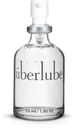 Überlube Luxury Lubricant Überlube GFPFpHLS | 4.9 | Silicone-Based | Extended sessions, Anal play | |
#2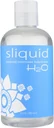 Sliquid H2O Original Sliquid GFPFpHLS | 4.9 | Water-Based | Sensitive skin, Daily use | |
#3 Almost Naked Organic Good Clean Love GFPFpHLS | 4.8 | Water-Based | Organic lifestyle, Vaginal health |
Understanding Vulvodynia
What Is Vulvodynia?
Vulvodynia is chronic pain in the vulvar area lasting at least 3 months without identifiable cause. Types include:
Generalized vulvodynia
Pain throughout the vulvar area
Localized vulvodynia
Pain in one area (often vestibule)
Provoked vulvodynia
Pain triggered by touch/pressure
Unprovoked vulvodynia
Pain without specific trigger
Common Symptoms
- Burning, stinging, or rawness
The Nerve Sensitivity Factor
Research suggests vulvodynia involves:
Why Lubricant Matters
For vulvodynia sufferers:
The Emotional Impact
Beyond physical pain, vulvodynia affects:
The Importance of Consistent Product Use
One overlooked aspect of vulvodynia management is product consistency. Frequently switching between different lubricant brands introduces new chemical variables to already-hypersensitive tissue, making it difficult to identify triggers and potentially causing unnecessary flares. Once you find a tolerable product, commit to using it exclusively for at least 3-6 months before considering alternatives. If your preferred product is discontinued or reformulated, transition gradually and maintain your symptom diary throughout the change. Some vulvodynia specialists recommend keeping a backup supply of your tested-safe lubricant to avoid emergency substitutions with untested products.
Vulvodynia Subtypes and Lubricant Implications
Different vulvodynia subtypes respond to different lubricant approaches:
The Oxalate Hypothesis
Some researchers have proposed that dietary oxalates (found in spinach, nuts, chocolate, tea) may contribute to vulvodynia by forming calcium oxalate crystals in urine that irritate vulvar tissue. While this theory remains controversial, some vulvodynia patients report improvement on low-oxalate diets. The lubricant connection: some plant-derived ingredients (particularly those from high-oxalate plants) could theoretically contribute to local irritation. While evidence is limited, patients who respond to low-oxalate diets may want to choose lubricants with fewer botanical ingredients.
Building a Personal Tolerance Profile
Because vulvodynia sensitivity is so individual, systematic product testing is essential. Create a personal tolerance profile by:
Vulvodynia is complex and often misunderstood. Understanding the condition helps explain why lubricant selection is so critical.
What Is Vulvodynia?
Vulvodynia is chronic pain in the vulvar area lasting at least 3 months without identifiable cause. Types include: -
Common Symptoms
- Burning, stinging, or rawness - Throbbing or aching pain - Pain with touch or pressure - Pain during or after intercourse - Pain when sitting for extended periods - Sensitivity to tight clothing
The Nerve Sensitivity Factor
Research suggests vulvodynia involves: - Increased nerve fiber density in affected tissue - Heightened nerve sensitivity - Abnormal pain signal processing - Possibly inflammatory components
Why Lubricant Matters
For vulvodynia sufferers: - Friction dramatically increases pain - Many lubricant ingredients trigger burning - Chemical sensitivities are common - Wrong products can cause extended flares - Right products enable comfortable intimacy
The Emotional Impact
Beyond physical pain, vulvodynia affects: - Sexual relationships and intimacy - Self-esteem and body image - Mental health (anxiety, depression common comorbidities) - Daily activities and quality of life (sitting, exercising, wearing certain clothing) - Social relationships and isolation - Career impact (inability to sit for long periods affects many professions)
The Importance of Consistent Product Use
One overlooked aspect of vulvodynia management is product consistency. Frequently switching between different lubricant brands introduces new chemical variables to already-hypersensitive tissue, making it difficult to identify triggers and potentially causing unnecessary flares. Once you find a tolerable product, commit to using it exclusively for at least 3-6 months before considering alternatives. If your preferred product is discontinued or reformulated, transition gradually and maintain your symptom diary throughout the change. Some vulvodynia specialists recommend keeping a backup supply of your tested-safe lubricant to avoid emergency substitutions with untested products.
Vulvodynia Subtypes and Lubricant Implications
Different vulvodynia subtypes respond to different lubricant approaches:
*Provoked vestibulodynia (PVD)*: The most common subtype—pain is triggered specifically by touch or pressure to the vestibule (the area surrounding the vaginal opening). For PVD, lubricant must provide maximum cushioning at the introitus. Thicker gel formulas or silicone lubricants that create a substantial barrier layer are often most effective. Application should be generous at the vestibular area specifically, not just internally.
*Generalized vulvodynia*: Pain affects the entire vulvar region and may be present even without touch. Lubricant selection must consider that the product contacts a large area of hypersensitive tissue. Ultra-minimal ingredient lists are essential—even ingredients tolerated by PVD patients may trigger flares when applied to a larger surface area of sensitized tissue. Pure medical-grade silicone (2-3 ingredients) is often the safest starting point.
*Unprovoked vulvodynia*: Pain occurs spontaneously without any identifiable trigger. While lubricant can still support comfortable intimacy, the unpredictable nature of flares means patients may need to plan intimate activity around their symptom patterns. Having a pre-tested, well-tolerated lubricant ready eliminates one variable during symptom-free windows.
The Oxalate Hypothesis
Some researchers have proposed that dietary oxalates (found in spinach, nuts, chocolate, tea) may contribute to vulvodynia by forming calcium oxalate crystals in urine that irritate vulvar tissue. While this theory remains controversial, some vulvodynia patients report improvement on low-oxalate diets. The lubricant connection: some plant-derived ingredients (particularly those from high-oxalate plants) could theoretically contribute to local irritation. While evidence is limited, patients who respond to low-oxalate diets may want to choose lubricants with fewer botanical ingredients.
Building a Personal Tolerance Profile
Because vulvodynia sensitivity is so individual, systematic product testing is essential. Create a personal tolerance profile by: 1. Starting with the simplest possible product (pure medical-grade silicone with 2-3 ingredients) 2. If tolerated, this becomes your baseline "safe" product 3. Introduce one new product at a time, testing on a small vulvar area first 4. Wait 48-72 hours between tests to allow any delayed reactions to manifest 5. Keep a detailed log of products tested, ingredients, and reactions 6. Share your tolerance profile with your healthcare provider and pelvic floor therapist 7. Re-test periodically, as vulvodynia sensitivity can fluctuate with treatment progress, hormonal cycles, and stress levels
This systematic approach transforms lubricant selection from frustrating trial-and-error into an evidence-based process that builds confidence over time. Many patients find that the act of systematically testing and documenting results gives them a sense of agency and control over their condition—psychological benefits that extend beyond just finding the right product.
Why Lubricant Choice Is Critical for Vulvodynia
The hypersensitive nature of vulvodynia means lubricant ingredients that most women tolerate can cause significant reactions.
1Chemical Sensitivity
Women with vulvodynia often react to:
2Osmolality Concerns
High-osmolality lubricants are particularly problematic:
3pH Sensitivity
Vulvodynia tissue may be more pH-sensitive:
4Ingredient Absorption
Vulvar tissue has high absorption rates:
5The Testing Challenge
Because vulvodynia varies between individuals:
Complete Ingredient Guide
Ingredients: Safe vs. Irritating for Vulvodynia
Purified Water
Base ingredient, non-irritating
Dimethicone (Silicone)
Inert, forms protective barrier
Hyaluronic Acid
Hydrating, generally well-tolerated
Vitamin E
Antioxidant, supports tissue health
Medical-Grade Silicone
Minimal ingredients, hypoallergenic
Aloe Vera
Soothing but some react to compounds
Chamomile
Anti-inflammatory but allergenic for some
Glycerin
Common trigger for burning and irritation
Propylene Glycol
Significant irritant for sensitive tissue
Parabens
Preservatives that may cause reactions
Fragrances
Major irritant—avoid completely
Menthol/Warming Agents
Intense sensation triggers pain
Lubricant Types Compared
Lubricant Types for Vulvodynia
Medical-Grade Silicone
Sensitivity Rating
5/5 for sensitive skin
Pros:
- + Fewest possible ingredients
- + Forms protective barrier
- + Cannot contain irritating water-soluble ingredients
- + Hypoallergenic and inert
Cons:
- − Not compatible with silicone toys
- − Takes longer to fully wash away
- − Cannot contain soothing additives
Best for: Those who react to most water-based ingredients
Ultra-Clean Water-Based
Sensitivity Rating
4/5 for sensitive skin
Pros:
- + Easy cleanup reduces prolonged contact
- + Can contain hyaluronic acid
- + More options available
- + Compatible with all toys
Cons:
- − More ingredients means more potential triggers
- − May need to try several brands
- − Requires careful ingredient review
Best for: Those who prefer water-based with careful selection
Prescription/Medical Options
Sensitivity Rating
5/5 for sensitive skin
Pros:
- + Compounded for specific needs
- + May contain therapeutic ingredients
- + Monitored by healthcare provider
- + Tailored to individual
Cons:
- − Requires prescription
- − May be expensive
- − Not always covered by insurance
Best for: Severe cases needing customized solutions
What to Look For with Vulvodynia
Minimal Ingredient List
The fewer ingredients, the fewer potential triggers. For vulvodynia, aim for products with 5 or fewer ingredients. Silicone lubricants with just 2-3 ingredients are often safest.
Glycerin-Free Formula
Glycerin is one of the most common triggers for vulvodynia pain. It can cause burning that lasts for hours or days. Always verify by checking the full ingredient list.
Propylene Glycol-Free
This common lubricant ingredient is a significant irritant for sensitive tissue. It appears in many drugstore brands. Avoid completely for vulvodynia.
Fragrance-Free
Fragrances are complex chemical mixtures that frequently trigger reactions. Choose only unscented products—even natural fragrances can cause problems.
Low Osmolality
High-osmolality products draw water from tissue, causing immediate burning in vulvodynia. Look for iso-osmotic products or silicone-based options.
pH Balanced
Products with pH matching natural tissue (around 4.0-4.5 for vaginal use) are less likely to trigger stinging or burning sensations.
Ingredients and Products to Avoid
- Glycerin and glycerol (major burning trigger)
- Propylene glycol (significant irritant)
- Any fragrance or perfume (complex chemical irritants)
- Parabens and harsh preservatives
- Warming, cooling, or tingling products
- Flavored lubricants (contain sugars and flavoring compounds)
- Products with extensive botanical lists
- Cheap drugstore brands with long ingredient lists
- Anything that caused a reaction previously
- Products marketed for sensation rather than comfort
Common Myths Debunked
Common Myths About Vulvodynia and Lubricants
Natural or organic lubricants are always safe for vulvodynia
Many natural ingredients can trigger vulvodynia pain. Essential oils, some plant extracts, and even aloe vera cause reactions in some women. Natural does not mean gentle—ingredient selection matters regardless of natural or synthetic origin.
If a lubricant is marketed for sensitive skin, it is safe for vulvodynia
Sensitive skin formulas are designed for general sensitivity, not the hypersensitive nerve condition of vulvodynia. Many sensitive skin lubricants still contain glycerin, propylene glycol, or other triggers. Always verify ingredients.
More lubricant is always better for vulvodynia
While adequate lubrication is essential, using excessive amounts means more chemical exposure to sensitive tissue. Use enough to reduce friction but not so much that cleanup becomes extensive and prolonged.
Once you find a safe lubricant, it will always work
Vulvodynia can fluctuate, and sensitivity may change over time. A product that works during stable periods may cause reactions during flares. Have backup options and be prepared to adjust.
Lubricant cannot really make much difference for vulvodynia
For many women with vulvodynia, finding the right lubricant transforms intimacy from impossible to manageable. Reducing friction and avoiding chemical triggers can significantly decrease pain during and after intimacy.
Testing and Using Lubricant with Vulvodynia
Finding a tolerable lubricant requires careful testing and patience. For women with vulvodynia, the testing process itself can feel daunting—the fear of triggering a pain flare creates understandable anxiety about trying new products. The structured protocol below minimizes risk while systematically identifying products your body can tolerate.
Understanding Why Testing Is Different for Vulvodynia
Standard lubricant testing protocols assume normal tissue sensitivity. Vulvodynia involves fundamentally altered nerve signaling—increased C-fiber density, elevated substance P and nerve growth factor levels, and central sensitization. This means that ingredients tolerated by 99% of the population may trigger intense burning, stinging, or pain in vulvodynia patients. The testing protocol must account for this heightened reactivity with longer waiting periods and more gradual exposure escalation.
Patch Testing Protocol
Before intimate use, patch test on less [sensitive skin](/guide/best-lube-for-sensitive-skin): - Apply small amount to inner forearm - Wait 24 hours for reaction - If no reaction, test inner thigh - Wait another 24 hours - If still no reaction, try a very small vulvar application to the outer labia (not the vestibule) - Wait 48-72 hours before progressing to vestibular application - Only proceed to full intimate use after all stages pass without pain
Starting With the Simplest
Begin with minimal-ingredient options: - Pure silicone (Überlube, Pjur Original)—these contain only 1-2 ingredients - Simple water-based (Sliquid H2O)—one of the cleanest water-based formulas available - Test one product at a time—never introduce multiple variables simultaneously - Wait at least a week between trying new products to allow any subtle reactions to fully manifest - Keep a testing diary documenting product, amount, application area, and any symptoms over 72 hours
Application Tips
When using lubricant with vulvodynia: - Apply externally first, then internally if tolerated - Use clean fingers or a soft silicone applicator - Warm product slightly in hands—cold lubricant can trigger reflexive muscle guarding - Apply liberally to reduce friction—with vulvodynia, generous application prevents the micro-friction that triggers pain cascades - Reapply proactively before you notice friction, not after discomfort begins
The Role of Pre-Application in Pain Prevention
For vulvodynia patients, applying lubricant 10-15 minutes before any intimate contact allows the product to warm to body temperature and create a protective film over sensitive tissue. This pre-application approach is particularly effective with silicone lubricants, which form a stable, long-lasting barrier. Some vulvodynia specialists recommend daily external application of a small amount of compatible lubricant or emollient to the vestibular area as part of a desensitization protocol, separate from sexual activity.
During Intimacy
- Communicate constantly with partner about comfort levels - Stop if pain increases significantly—pushing through pain reinforces central sensitization - Adjust positions for comfort, favoring those that minimize vestibular contact - Use pillows for support and angle adjustment - Take breaks as needed—there is no timeline that must be met
Post-Intimacy Care
- Gentle cleanup with water only - Pat dry—do not rub - Apply prescribed medications if using - Cold compress if helpful for inflammation - Rest and monitor for delayed reactions
Keeping Records
Track your experiences: - Which products you tried - Any reactions (immediate or delayed) - Pain levels during and after - What worked well - Flare triggers identified
Expert Tip
For vulvodynia, simpler is almost always better. Medical-grade silicone lubricants like Überlube often work when everything else fails—they contain just a few inert ingredients that cannot chemically interact with tissue. If silicone is not an option, Sliquid H2O is the cleanest water-based formula. Always patch test and give your body time to respond before full use.
Related Guides & Resources
Best Lube for Vaginismus
Support for pelvic pain conditions
Best Lube for Sensitive Skin
Gentle formulas for reactive bodies
Best Lube for Endometriosis
Managing pain during intimacy
Best Lube for Eczema & Psoriasis
Managing skin conditions
Best Lube for Menopause
Addressing tissue fragility
Überlube vs Sliquid
Comparing gentle options
Silicone-Based Lubricants
Minimal-ingredient options
Frequently Asked Questions
Explore All 37+ Lubricant Guides
Browse our complete buyer's guide hub with guides organized by health conditions, activities, relationships, and preferences.
View Complete Buyer's GuideRelated Guides
Best Lube for Vaginismus
Ultra-gentle formulas for dilator therapy and comfortable intimacy
Best Lube for Endometriosis
Gentle, long-lasting formulas to help manage dyspareunia
Best Lube for Sensitive Skin
Gentle, hypoallergenic formulas that won't irritate
Best Lube for Dryness
Long-lasting, moisturizing formulas that restore comfort
Best Lube for Toys
Safe, compatible formulas for every toy material
Best Lube for Menopause
Restore comfort and pleasure during hormonal changes