
Best Lubricants for Latex Allergy
Safe formulas and compatible condom options for latex-sensitive individuals
 Dr. Sarah ChenMD, OB-GYN, FACOG
If you have a latex allergy, navigating intimate products requires extra vigilance and careful planning. While most lubricants do not contain latex directly, cross-reactive ingredients and the need for compatible condoms add complexity to finding safe products.
If you have a latex allergy, navigating intimate products requires extra vigilance and careful planning. While most lubricants do not contain latex directly, cross-reactive ingredients and the need for compatible condoms add complexity to finding safe products.
Latex allergy affects an estimated 1-6% of the general population, with significantly higher rates among healthcare workers (up to 17%) and people who have had multiple surgeries (up to 68% of children with spina bifida, for example). The prevalence has declined since the late 1990s due to increased use of non-latex gloves in healthcare, but millions of people still live with this potentially serious allergy.
Latex allergies range from mild contact irritation to potentially life-threatening anaphylaxis. For those at the severe end of the spectrum, even trace exposure to latex proteins can trigger a medical emergency. Understanding which lubricant ingredients may cross-react with latex, which products are truly safe, and what condom alternatives work with your chosen lubricant is essential for safe, enjoyable intimacy.
The challenge extends beyond just avoiding latex in lubricant (which is rare). The latex-fruit syndrome—where proteins in certain tropical fruits structurally resemble latex proteins—means some natural lubricant ingredients derived from these fruits can trigger allergic reactions. This is why a simple "natural is better" approach can actually be dangerous for latex-allergic individuals.
Our comprehensive guide helps you understand latex allergy considerations, identify the safest lubricant options, navigate latex-free condom choices, and plan for emergencies. Whether you have mild contact sensitivity or severe IgE-mediated allergy, this guide provides the information you need for safe, confident intimacy.
**Key Safety Information** - If you have ever experienced anaphylaxis from latex, consult your allergist before trying ANY new intimate product - Always have emergency medication accessible during intimacy if you have severe latex allergy - Cross-reactive ingredients can be found in products labeled "latex-free" - Your partner's products can also trigger your reactions through contact transfer
**What This Guide Covers** - The science of latex allergy and cross-reactivity - Detailed ingredient safety analysis for all lubricant types - Complete latex-free condom compatibility guide - Emergency planning for severe allergy - Product recommendations verified for latex-free safety
**Related Guides for Allergy-Friendly Intimacy** Explore our sensitive skin guide, eczema and psoriasis guide, condom compatibility, and vegan options. For product types, browse our silicone-based lubricants, water-based options, and natural alternatives. Check our ingredient guide, buyers guide, brand comparison, or take our personalized quiz.
Recommended Lubricant Types
Based on this guide, these lubricant categories are most relevant to your needs:
Our Top Picks for Latex Allergy
Expert-selected products that meet these specific needs
| Product | Score | Type | Best For | |
|---|---|---|---|---|
#1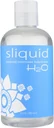 Sliquid H2O Original Sliquid GFPFpHLS | 4.9 | Water-Based | Sensitive skin, Daily use | |
#2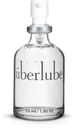 Überlube Luxury Lubricant Überlube GFPFpHLS | 4.9 | Silicone-Based | Extended sessions, Anal play | |
#3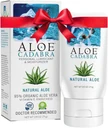 Aloe Cadabra Natural Aloe Cadabra GFPFpHLS | 4.8 | Water-Based | Natural lifestyle, Sensitive skin | |
#4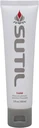 Sutil Luxe Body Glide Sutil GFPFpHLS | 4.8 | Water-Based | Luxury seekers, Ultra-premium experience | |
#5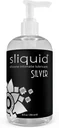 Sliquid Silver Silicone Sliquid GFPFpHLS | 4.8 | Silicone-Based | Clean-ingredient focus, Sensitive skin |
Understanding Latex Allergy
Types of Latex Reactions
*Type I (Immediate/IgE-mediated) — Most Serious*
Who is at Higher Risk
- Healthcare workers with frequent latex glove exposure (up to 17% prevalence)
The Latex-Fruit Syndrome
This cross-reactivity occurs because certain fruit proteins structurally resemble latex proteins (both are defense proteins called chitinases):
Latex allergy is an immune reaction to proteins found in natural rubber latex (Hevea brasiliensis tree sap). Understanding the different types of latex reactions, their severity levels, and who is at risk helps you calibrate your precautions appropriately.
Types of Latex Reactions
*Type I (Immediate/IgE-mediated) — Most Serious* This is a true allergy involving the immune system's IgE antibodies. When latex proteins enter the body (through skin contact, mucosal absorption, or inhalation), the immune system mounts an immediate response: - Symptoms appear within minutes (typically 5-30 minutes) - Range from localized hives to systemic anaphylaxis - Can include hives, itching, swelling, difficulty breathing, wheezing, low blood pressure, rapid heartbeat - In severe cases, anaphylaxis can be life-threatening - Requires epinephrine auto-injector access for severe cases - May worsen with repeated exposures (sensitization)
*Type IV (Delayed/Cell-mediated) — Contact Dermatitis* This is a delayed-type hypersensitivity reaction, often to chemicals used in latex manufacturing rather than latex proteins themselves: - Symptoms appear 24-48 hours after exposure - Causes redness, dry lesions, itching, and crusting at contact sites - Not life-threatening but very uncomfortable - Often caused by accelerators and antioxidants used in rubber processing - May be confused with irritant contact dermatitis
*Irritant Contact Dermatitis — Most Common* Not a true allergy but an irritation response: - Caused by chemical additives, powder, or friction - Red, dry, itchy skin at contact sites - Does not involve immune system - Not progressive or life-threatening - Most common type of "latex reaction"
Who is at Higher Risk
- Healthcare workers with frequent latex glove exposure (up to 17% prevalence) - People who have had multiple surgeries (repeated mucosal latex exposure) - Those with atopic conditions (eczema, asthma, hay fever)—2-4x higher risk - People allergic to certain foods (latex-fruit syndrome) - Rubber industry workers - Children with spina bifida (up to 68% due to frequent medical procedures)
The Latex-Fruit Syndrome
This cross-reactivity occurs because certain fruit proteins structurally resemble latex proteins (both are defense proteins called chitinases):
*High Cross-Reactivity (>35% of latex-allergic individuals react):* - Banana - Avocado - Chestnut - Kiwi
*Moderate Cross-Reactivity (15-35%):* - Apple, celery, fig, melon, papaya, pear, potato, tomato
*Low Cross-Reactivity (<15%):* - Cherry, grape, hazelnut, mango, pineapple, strawberry, walnut
This cross-reactivity is directly relevant to lubricant safety because natural and organic lubricants may contain extracts from these fruits. A lubricant containing papaya enzymes, avocado oil, or banana extract could trigger an allergic reaction in a latex-allergic individual.
Cross-Reactive Ingredients to Know
Understanding cross-reactivity at a molecular level is crucial for people with latex allergy. The proteins that cause latex allergy belong to a family of defense proteins found across the plant kingdom, which explains why certain foods and plant-derived ingredients trigger reactions.
1The Molecular Basis of Cross-Reactivity
Latex contains over 60 identified proteins, of which at least 15 are allergenic. The most clinically relevant are:
2Hev b 1
Found in large rubber particles; cross-reacts with papain enzymes
3Hev b 5
Major allergen; structurally similar to kiwi and potato proteins
4Hev b 6.02 (Hevein)
The most important latex allergen; shares structure with chitin-binding proteins in bananas, avocados, chestnuts, and kiwi
5Hev b 7
Cross-reacts with potato patatin protein
6Hev b 8 (Profilin)
Found in many plants; explains broad cross-reactivity
7High Cross-Reactivity Risk in Lubricant Ingredients
These ingredients should be absolutely avoided:
8Papaya/papain enzymes
Papain (a protease enzyme from papaya) is used in some specialty lubricants for its supposed skin-smoothing properties. Hev b 1 shares structural homology with papain—this is one of the highest-risk cross-reactive combinations
9Avocado-derived ingredients
Avocado oil and extracts are increasingly common in "natural" lubricants. The cross-reactive protein (chitinase) is present in avocado flesh and oil
10Banana extracts
Some tropical-themed or flavored lubricants contain banana extract. The banana chitinase closely resembles hevein
11Chestnut derivatives
Less common in lubricants but found in some European natural product formulations
12Kiwi extracts
The kiwi actinidin protein shares significant homology with latex allergens
13Moderate Risk Ingredients
-
14Fig extract
Sometimes used in natural lubricants—moderate cross-reactivity with latex
15Mango extract
Used in flavored or tropical products—exercise caution
16Pineapple/bromelain
The enzyme bromelain shares some structural features with latex proteins
17Generally Safe Ingredients
-
18Silicone (dimethicone, cyclomethicone)
Completely synthetic, zero cross-reactivity risk
19Water
No allergen concerns whatsoever
20Glycerin
Synthetic or plant-derived, no protein content means no cross-reactivity
21Propylene glycol
Synthetic, no latex connection
22Hyaluronic acid
Lab-produced, no plant protein involvement
23Most synthetic ingredients
Chemical compounds without protein structures cannot cross-react
24The Lubricant-Condom Connection
Critical compatibility information for latex-allergic individuals:
Complete Ingredient Guide
Ingredient Safety Chart for Latex Allergy
Dimethicone (Silicone)
Completely synthetic, zero cross-reactivity with latex
Purified Water
No allergen concerns whatsoever
Glycerin
Synthetic or refined—no protein content, no cross-reactivity
Hyaluronic Acid
Lab-produced via bacterial fermentation, no latex connection
Propylene Glycol
Synthetic compound, no allergen concerns
Hydroxyethylcellulose
Processed cellulose derivative, no cross-reactivity
Aloe Vera
Low cross-reactivity risk but patch test first—rare reactions reported
Chamomile Extract
Asteraceae family—separate allergy risk, low latex cross-reactivity
Papaya/Papain
HIGH cross-reactivity with Hev b 1—major latex allergen
Avocado Extract/Oil
HIGH cross-reactivity—chitinase protein resembles hevein
Kiwi Extract
HIGH cross-reactivity with multiple latex proteins
Banana Extract
HIGH cross-reactivity—chitinase closely resembles hevein
Natural Rubber Gum
Contains actual latex proteins—absolute avoidance
Chestnut Extract
HIGH cross-reactivity with latex class I chitinase
Lubricant Types Compared
Lubricant Types for Latex Allergy
Silicone-Based
Sensitivity Rating
5/5 for sensitive skin
Pros:
- + Zero plant-derived ingredients—no cross-reactivity possible
- + Completely synthetic and inert
- + Long-lasting reduces product changes
- + Hypoallergenic by nature
- + Compatible with all non-latex condom types
Cons:
- − Not compatible with silicone toys
- − Requires soap to clean
- − Cannot contain soothing botanical additives
Best for: Safest option for latex-allergic individuals—especially those with severe (Type I) allergy
Water-Based (Simple Synthetic)
Sensitivity Rating
4/5 for sensitive skin
Pros:
- + Easy cleanup reduces prolonged contact
- + Compatible with all non-latex condoms
- + Many safe synthetic options available
- + Can contain safe additives like hyaluronic acid
Cons:
- − Must check every ingredient for cross-reactive potential
- − May need reapplication
- − Botanical ingredients require careful scrutiny
Best for: Those who prefer water-based with careful ingredient verification
Hybrid
Sensitivity Rating
4/5 for sensitive skin
Pros:
- + Longer lasting than water-based
- + Usually simple ingredients
- + Good balance of properties
- + Less frequent reapplication
Cons:
- − Must verify all ingredients individually
- − May not work with silicone toys
- − Ingredient lists tend to be longer
Best for: Balance of safety and versatility with careful selection
What to Look For
Simple, Synthetic Formulas
Products with minimal, synthetic ingredients have the lowest cross-reactivity risk. Silicone lubricants are particularly safe because they contain no plant-derived proteins. A 3-ingredient silicone formula eliminates virtually all cross-reactive risk.
Complete Ingredient Disclosure
Choose products from brands that fully disclose all ingredients on labels and websites. Avoid products with vague terms like 'proprietary blend,' 'natural extracts,' or 'botanical complex'—these may hide cross-reactive ingredients you need to identify.
Non-Latex Condom Compatibility
Ensure your lubricant is compatible with your specific non-latex condom type. Water-based and silicone lubricants work with all alternatives. Oil-based works with polyurethane and nitrile but NOT polyisoprene.
Hypoallergenic Formulation
Products clinically tested for allergic reactions are better choices. Look for specific testing documentation rather than just marketing claims. Medical-grade products undergo more rigorous safety testing.
Brand Transparency
Contact manufacturers directly if ingredient lists are unclear. Reputable brands will confirm whether their products contain any latex-derived or cross-reactive ingredients. This due diligence is especially important for severe allergy.
Allergen-Free Manufacturing
For severe Type I allergy, consider whether the product is manufactured in a facility that also processes latex or cross-reactive ingredients. While contamination risk is very low for lubricants, maximum caution is warranted for anaphylaxis-risk individuals.
What to Avoid
- Products containing papaya, papain, or fruit enzymes (highest cross-reactivity risk)
- Lubricants with avocado, banana, kiwi, or chestnut extracts (all high cross-reactivity)
- Natural rubber or gum-based thickeners (may contain actual latex proteins)
- Products that do not disclose all ingredients (hidden risks cannot be evaluated)
- Heavily botanical products with multiple plant extracts (more unknowns, more risk)
- Oil-based lubricants if using polyisoprene condoms (causes degradation)
- Products from brands that cannot confirm latex-free and cross-reactive-free status
- Flavored lubricants with tropical fruit flavoring (banana, kiwi, mango)
- Products labeled 'natural' without verifying specific ingredient safety
- DIY lubricant recipes using tropical fruits or their derivatives
Common Myths Debunked
Common Myths About Latex Allergy and Lubricants
All lubricants contain latex
The vast majority of lubricants do not contain latex. Latex is a rubber product—it's used in condoms and gloves, not typically in lubricant formulations. The concern for latex-allergic individuals is cross-reactive plant ingredients and ensuring condom compatibility with chosen lubricant types.
Natural lubricants are safer for latex allergy
This is actually backwards. Natural and organic lubricants are potentially riskier because they often contain plant-derived ingredients that can cross-react with latex proteins. A synthetic silicone lubricant with 3 ingredients is far safer than a natural formula with papaya enzymes, avocado oil, or banana extract.
If I am allergic to latex, I am allergic to silicone
Silicone (dimethicone, cyclomethicone) is completely chemically unrelated to natural rubber latex. No cross-reactivity exists between latex proteins and silicone polymers. Silicone is actually one of the safest options for latex-allergic individuals—it's inert, synthetic, and contains no biological proteins.
Latex-free condoms do not work as well as latex condoms
Modern latex-free condoms are just as effective as latex when used correctly. Polyisoprene condoms (SKYN brand) have comparable stretch and sensitivity to latex. Polyurethane condoms transfer heat better than latex. Internal (FC2) condoms offer an excellent latex-free barrier option. All are FDA-approved for contraception and STI prevention.
If I've only had mild latex reactions, I don't need to worry about lubricant ingredients
Latex allergy can progress in severity with repeated exposure. What starts as mild contact dermatitis can evolve into more serious IgE-mediated reactions. Additionally, mucosal exposure (vaginal/anal tissue) may produce stronger reactions than skin contact because absorption is higher. Take precautions regardless of current reaction severity.
I only need to worry about my own products, not my partner's
Any product your partner applies before intimacy can transfer to your skin and mucous membranes during contact. If your partner uses a lubricant containing avocado oil or papaya enzymes, those cross-reactive proteins will contact your tissue during intimacy. Both partners should use latex-allergy-safe products.
How to Safely Test New Lubricants with Latex Allergy
If you have a latex allergy, testing new lubricants requires extra caution and a systematic approach. The severity of your allergy determines how conservative your testing should be.
Before Testing: Preparation
- Review the complete ingredient list against known cross-reactive substances - Contact the manufacturer if any ingredient is unclear or ambiguous - Ensure your epinephrine auto-injector (if prescribed) is accessible and not expired - Have antihistamines (cetirizine or diphenhydramine) available - Inform your partner about your allergy and the testing plan - Know the location of the nearest emergency department
Step 1: Review Ingredients Thoroughly
Before purchasing or testing, check every ingredient against known cross-reactive substances: - Search specifically for papaya, papain, avocado, banana, kiwi, chestnut, fig, mango - Watch for vague terms that might hide these ingredients - If in doubt, contact the manufacturer directly - For severe allergy, ask about manufacturing facility practices
Step 2: Patch Test on Inner Forearm
- Apply a small amount (pea-sized) to your inner forearm - Cover with a breathable bandage - Wait 48 hours (longer than standard 24 hours due to potential delayed reactions) - Check at 2 hours, 12 hours, 24 hours, and 48 hours - Look for redness, itching, hives, swelling, or any signs of allergic response
Step 3: Monitor for Any Reaction
- Even mild reactions should be taken seriously with latex allergy - Redness or itching at the test site = stop, do not proceed - Any systemic symptoms (hives elsewhere, breathing changes) = seek medical attention - No reaction at 48 hours = proceed to Step 4
Step 4: Test on Inner Thigh
- If the forearm test passes completely, test on inner thigh (closer to genital skin type) - Apply small amount, wait another 48 hours - This skin is thinner and more permeable than forearm—closer to intimate tissue - Continue monitoring for delayed reactions
Step 5: Limited Intimate Use
- First intimate use should be limited (small area, brief duration) - Have antihistamines and epinephrine accessible - Monitor for 72 hours after first use
Important Safety Notes for Type I Allergy:
- ALWAYS have your epinephrine auto-injector within arm's reach during testing - If you have had severe latex reactions (anaphylaxis), consult an allergist before trying ANY new intimate product—they may recommend in-office testing - Do not test during times when you're already experiencing allergic symptoms - Stop immediately if any reaction occurs—do not "wait and see" - Consider wearing a medical alert bracelet/necklace during intimacy if severely allergic
When to See a Healthcare Provider
Seek medical attention or consult an allergist if you experience
Seek medical attention or consult an allergist if you experience:
EMERGENCY — Call 911 Immediately
- Difficulty breathing, wheezing, or throat tightness
- Swelling of face, throat, or tongue
- Widespread hives or rash beyond the contact area
- Dizziness, lightheadedness, or rapid heartbeat
- Feeling of impending doom
- Loss of consciousness
- Any signs of anaphylaxis
- Administer epinephrine auto-injector FIRST, then call 911
Urgent Concerns
- New or worsening reactions to products you previously tolerated
- Reactions to products you believed were latex-free
- Symptoms spreading beyond the area of product contact
- Reactions persisting longer than 48 hours
- Difficulty determining what caused a reaction
Non-Urgent But Important
- Uncertain about the severity of your latex allergy—formal testing is recommended
- Have never been formally allergy-tested but suspect latex allergy
- Want an epinephrine auto-injector prescription for safety during intimacy
- Need a comprehensive cross-reactive food and ingredient list personalized to your specific latex protein sensitivities
- Desire an allergen-safe product list from your allergist
- Want to discuss desensitization therapy options (available for some patients)
What to Expect From Allergy Testing
- Skin prick testing with latex extracts
- Specific IgE blood tests (ImmunoCAP)
- Component-resolved diagnostics (identifies which specific latex proteins you react to)
- Cross-reactivity testing for fruit/food allergens
- Risk assessment for severity progression
This testing provides invaluable information for determining how cautious you need to be with intimate products and whether cross-reactive ingredients are a personal concern.
Expert Tip
Silicone-based lubricants are the gold standard for latex allergy safety—they contain no plant-derived ingredients whatsoever, eliminating all cross-reactivity risk. Brands like Überlube (4 ingredients, all synthetic) and pjur Original have excellent safety profiles. For severe Type I allergy, always have your epinephrine auto-injector accessible during intimacy, and ensure your partner also uses latex-allergy-safe products.
Related Guides & Resources
Best Lube for Sensitive Skin
Gentle formulas for reactive users.
Best Lube for Eczema & Psoriasis
Atopic condition management.
Best Lube for Condoms
Condom-compatible options.
Best Lube for Couples
Partner-friendly options.
Best Lube for Dryness
Solutions for dryness.
Silicone-Based Lubricants
Safest for latex allergy.
Water-Based Lubricants
Check ingredients carefully.
pjur vs Swiss Navy
Top silicone brands compared.
Frequently Asked Questions
Explore All 37+ Lubricant Guides
Browse our complete buyer's guide hub with guides organized by health conditions, activities, relationships, and preferences.
View Complete Buyer's GuideRelated Guides
Best Lube for Sensitive Skin
Gentle, hypoallergenic formulas that won't irritate
Best Lube for Condoms
Enhance protection without compromising safety
Best Lube for Eczema & Psoriasis
Ultra-gentle formulas for chronic skin conditions
Best pH-Balanced Lubricants
Formulas that support your body's natural chemistry
Best Lube for Toys
Safe, compatible formulas for every toy material
Best Lube for Menopause
Restore comfort and pleasure during hormonal changes