Best Lubricants for BV-Prone Individuals
pH-balanced, flora-friendly formulas to prevent BV recurrence
 Dr. Sarah ChenMD, OB-GYN, FACOG
If you struggle with recurring bacterial vaginosis (BV), you know how frustrating and disruptive it can be. What many women do not realize is that their lubricant choice can significantly impact BV recurrence. The wrong lubricant can disrupt your vaginal microbiome and trigger the very infections you are trying to prevent.
If you struggle with recurring bacterial vaginosis (BV), you know how frustrating and disruptive it can be. What many women do not realize is that their lubricant choice can significantly impact BV recurrence. The wrong lubricant can disrupt your vaginal microbiome and trigger the very infections you are trying to prevent.
Bacterial vaginosis is the most common vaginal condition in reproductive-age women, affecting an estimated 21-29% of women globally. For those who experience recurrent BV—defined as three or more episodes within 12 months—the condition becomes a chronic struggle that affects quality of life, intimate relationships, and emotional wellbeing.
Recent research has increasingly highlighted the role of lubricant ingredients in vaginal microbiome disruption. A landmark 2021 study published in Microbiome found that certain lubricant ingredients directly correlate with decreased Lactobacillus populations and increased BV-associated bacteria. This means your lubricant isn't just passively present during intimacy—it actively interacts with your vaginal ecosystem.
The good news is that choosing the right lubricant can be part of your comprehensive BV prevention strategy. Products with appropriate pH, low osmolality, and ingredients that support rather than harm vaginal flora can help you maintain intimate wellness. Some newer formulations are even designed with bio-matching technology to actively support the Lactobacillus-dominant environment that prevents BV.
This guide explains the science behind the lubricant-BV connection, identifies which ingredients help or harm your microbiome, and recommends products specifically chosen for their BV-friendly formulations.
**Key Statistics on BV** - BV affects approximately 1 in 3 women at some point in their lives - Up to 80% of women treated for BV will experience recurrence within 12 months - BV increases the risk of STI acquisition by 2-3x - BV during pregnancy increases preterm birth risk by 40% - An estimated $4.8 billion is spent annually on BV-related healthcare in the US alone
**Why This Guide Is Different** Unlike general lubricant guides, this resource specifically analyzes products through the lens of vaginal microbiome science. Every recommendation has been evaluated for pH compatibility, osmolality safety, and ingredient impact on Lactobacillus populations—the bacteria that protect against BV.
**Related Guides for Vaginal Health** For comprehensive vaginal health, explore our pH-sensitive guide, yeast infection prevention, sensitive skin formulas, and natural lubricant options. Related health guides include pregnancy safety, postpartum recovery, and menopause management. Browse our water-based lubricants, check our ingredient guide, or visit our buyers guide. Take our personalized quiz for tailored recommendations.
Recommended Lubricant Types
Based on this guide, these lubricant categories are most relevant to your needs:
Our Top Picks for BV-Prone Individuals
Expert-selected products that meet these specific needs
| Product | Score | Type | Best For | |
|---|---|---|---|---|
#1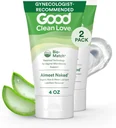 Good Clean Love Almost Naked Good Clean Love GFPFpHLS | 4.8 | Natural & Organic | Sensitive Skin, pH Balance | |
#2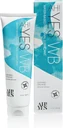 Sylk Natural Lubricant Sylk GFPFpHLS | 4.5 | Natural & Organic | Unique ingredients, Natural preference |
Understanding Bacterial Vaginosis
What Is BV?
BV occurs when the balance of bacteria in the vagina shifts from a Lactobacillus-dominant community to one dominated by diverse anaerobic bacteria. Key organisms associated with BV include Gardnerella vaginalis, Atopobium vaginae, Prevotella species, and Mobiluncus species. This shift is called dysbiosis.
BV Symptoms
- Thin, grayish-white or yellow discharge
The Protective Role of Lactobacillus
Lactobacillus bacteria are the vaginal ecosystem's primary defense:
Why BV Recurs
Up to 80% of women who get BV will have a recurrence within a year. Several factors contribute:
BV and Sexual Health
BV has significant implications beyond discomfort:
Bacterial vaginosis is the most common vaginal condition in women of reproductive age, yet it remains widely misunderstood. Deep understanding of BV's mechanisms helps you make informed lubricant choices that protect your vaginal health.
What Is BV?
BV occurs when the balance of bacteria in the vagina shifts from a Lactobacillus-dominant community to one dominated by diverse anaerobic bacteria. Key organisms associated with BV include Gardnerella vaginalis, Atopobium vaginae, Prevotella species, and Mobiluncus species. This shift is called dysbiosis.
It's important to understand that BV is not a traditional infection caused by a single pathogen—it's an ecological disruption. The entire bacterial community changes, which is why antibiotics alone often fail to prevent recurrence. Restoring and maintaining the Lactobacillus-dominant environment is the long-term goal.
BV Symptoms
- Thin, grayish-white or yellow discharge - Strong fishy odor, especially after sex or during menstruation - Vaginal itching or irritation (though many women have no symptoms) - Burning during urination - Some women have no symptoms at all (asymptomatic BV)
The Protective Role of Lactobacillus
Lactobacillus bacteria are the vaginal ecosystem's primary defense: - They produce lactic acid, maintaining pH at 3.8-4.5 - They produce hydrogen peroxide, which inhibits BV-associated bacteria - They produce bacteriocins (natural antimicrobial compounds) - They competitively exclude harmful organisms for nutrients and attachment sites - Different species offer different protection levels (L. crispatus is most protective)
Why BV Recurs
Up to 80% of women who get BV will have a recurrence within a year. Several factors contribute: - Biofilm formation: BV-associated bacteria form protective biofilms on vaginal walls that resist antibiotic treatment. These biofilms can persist even when symptoms resolve - Incomplete Lactobacillus restoration: Antibiotics kill BV bacteria but don't replenish protective Lactobacillus - Reinfection from sexual partners: Research suggests BV-associated bacteria can be sexually transmitted - Ongoing exposure to triggers: Continued use of disrupting products (including problematic lubricants) creates repeated microbiome insults - Individual microbiome vulnerability: Some women have naturally less stable vaginal communities
BV and Sexual Health
BV has significant implications beyond discomfort: - Increases susceptibility to HIV acquisition by 60% - Increases risk of acquiring other STIs including chlamydia, gonorrhea, and herpes - During pregnancy, increases preterm birth risk by approximately 40% - Can cause post-surgical infections after gynecological procedures - Associated with pelvic inflammatory disease (PID) - May contribute to fertility challenges
How Lubricants Can Trigger BV
Understanding the science of lubricant-vagina interaction explains why some products trigger BV while others do not. Research has identified several mechanisms by which lubricant ingredients disrupt the vaginal microbiome.
1pH Disruption: The Primary Mechanism
The healthy vagina maintains a pH of 3.8-4.5. This acidity is critical—it's created by Lactobacillus bacteria producing lactic acid, and it's essential for suppressing BV-associated bacteria. When a lubricant with mismatched pH enters the vaginal environment:
2Osmolality: The Hidden Danger
Osmolality measures the concentration of dissolved particles in a solution. The WHO has identified high osmolality as a significant concern for vaginal health:
3Problematic Ingredients: Direct Microbiome Effects
Certain lubricant ingredients directly harm vaginal flora through specific mechanisms:
4Glycerin
A humectant found in many lubricants. Glycerin is metabolized by BV-associated bacteria (particularly Gardnerella vaginalis), directly feeding the organisms you want to suppress. It also increases osmolality
5Chlorhexidine
An antimicrobial preservative that kills bacteria indiscriminately—including protective Lactobacillus. Studies show chlorhexidine exposure significantly reduces Lactobacillus viability while some BV-associated bacteria are more resistant
6Nonoxynol-9
A spermicide that disrupts cell membranes. It damages vaginal epithelium, kills Lactobacillus, and has been shown to increase BV risk in clinical studies
7Parabens
Preservatives with potential antimicrobial effects against Lactobacillus species. Some research suggests parabens may selectively harm beneficial bacteria
8The Biofilm Factor
BV-associated bacteria form protective biofilms on vaginal walls—communities of bacteria encased in a protective matrix. Certain lubricant ingredients may:
Complete Ingredient Guide
Ingredient Safety Chart for BV Prevention
Purified Water
Neutral base, will not affect flora
Lactic Acid
Supports healthy acidic pH, naturally produced by Lactobacillus
Hyaluronic Acid
Hydrating without disrupting balance or feeding bacteria
Aloe Vera
Soothing, does not feed BV-associated bacteria
Dimethicone
Inert silicone, does not interact with flora at all
Hydroxyethylcellulose
Neutral cellulose thickener, BV-safe
Xanthan Gum
Natural thickener, no microbiome impact
Propylene Glycol
May contribute to flora disruption and osmolality concerns
Glycerin
Metabolized by Gardnerella—directly feeds BV-associated bacteria
Chlorhexidine
Kills protective Lactobacillus—major BV trigger
Nonoxynol-9
Damages vaginal epithelium, kills beneficial flora
Parabens
May selectively affect beneficial bacterial balance
Sugars/Sweeteners
Feed harmful bacteria and contribute to dysbiosis
Sorbitol
Sugar alcohol that feeds microorganisms and increases osmolality
Lubricant Types Compared
Lubricant Types for BV Prevention
Water-Based (pH-Balanced)
Sensitivity Rating
5/5 for sensitive skin
Pros:
- + Can be pH-optimized to match vaginal environment (3.8-4.5)
- + Easy cleanup reduces prolonged ingredient contact
- + Available in glycerin-free formulas
- + Can contain lactic acid for active pH support
- + Compatible with all condoms and toys
Cons:
- − Must verify pH, osmolality, and ingredient safety
- − May need reapplication during extended sessions
- − Quality and formulation vary widely between brands
Best for: BV-prone individuals seeking everyday protection with active microbiome support
Silicone-Based
Sensitivity Rating
4/5 for sensitive skin
Pros:
- + Does not interact with vaginal environment at all
- + No pH impact—completely inert
- + Long-lasting reduces reapplication
- + Hypoallergenic with minimal ingredients
- + Cannot contain glycerin or sugars
Cons:
- − Does not actively support flora (neutral only)
- − Not compatible with silicone toys
- − Requires soap for cleanup—prolonged contact possible
Best for: Those wanting absolute zero flora interaction
Hybrid
Sensitivity Rating
3/5 for sensitive skin
Pros:
- + Longer lasting than pure water-based
- + Some offer pH-balanced formulas
- + Easier cleanup than pure silicone
Cons:
- − Must verify glycerin-free status carefully
- − Variable quality between brands
- − More complex ingredient lists require scrutiny
Best for: Balance of benefits with careful ingredient checking
What to Look For (BV Prevention)
pH 3.8-4.5
Look for lubricants specifically formulated to match vaginal pH. This supports Lactobacillus dominance and discourages BV-associated bacteria. Some products like Good Clean Love BioMatch are specifically designed for vaginal pH optimization.
Glycerin-Free
Glycerin is metabolized by Gardnerella vaginalis and other BV-associated bacteria, directly feeding the organisms that cause BV. Always verify by checking the full ingredient list—glycerin, glycerol, and glycerine are all the same compound.
Low Osmolality (<1200 mOsm/kg)
The WHO recommends lubricants with osmolality under 1200 mOsm/kg for vaginal use. Products closer to iso-osmotic (260-380 mOsm/kg) are gentlest on epithelial tissue and least likely to contribute to dysbiosis.
Contains Lactic Acid
Lactic acid is naturally produced by healthy Lactobacillus bacteria to maintain the acidic environment. Lubricants containing lactic acid actively support the pH conditions that keep BV in check.
Simple Ingredient List
Fewer ingredients mean fewer potential disrupting agents. Look for products with 5-8 ingredients maximum. Every additional ingredient is another variable that could affect your delicate microbiome balance.
Bio-Matching Technology
Some newer lubricants are formulated using bio-matching technology that mimics natural vaginal fluid composition. Products like Good Clean Love Almost Naked are designed to support rather than disrupt the vaginal ecosystem.
What to Avoid (BV Triggers)
- Glycerin and glycerol (metabolized by BV-associated bacteria—primary trigger)
- Chlorhexidine (kills protective Lactobacillus bacteria indiscriminately)
- Nonoxynol-9 (damages tissue and destroys beneficial flora)
- High osmolality formulas (>1200 mOsm/kg—damages epithelial cells)
- Sugars and sweeteners in flavored lubes (feeds all harmful microorganisms)
- Products with pH above 5.0 (neutralizes protective acid environment)
- Parabens (may selectively affect beneficial bacterial balance)
- Fragrances and parfum (potential irritants that can trigger inflammation)
- Sorbitol (sugar alcohol that feeds bacteria and increases osmolality)
- Products without transparent ingredient disclosure
Common Myths Debunked
Common Myths About BV and Lubricants
Natural lubricants are always better for preventing BV
Not necessarily. Many natural lubricants contain glycerin (a natural compound) or have incorrect pH for vaginal use. What matters is the formula's specific pH, osmolality, and ingredients—not whether they're labeled natural. A synthetic silicone lubricant with 3 inert ingredients is often safer than a 15-ingredient organic formula.
Antibacterial lubricants help prevent BV
This is actually backwards. Antibacterial ingredients like chlorhexidine kill bacteria indiscriminately, including the protective Lactobacillus that are your primary defense against BV. Using antibacterial lubricants can CAUSE BV by wiping out your protective flora and allowing BV-associated bacteria to colonize.
If a lubricant does not cause immediate symptoms, it is BV-safe
BV typically develops days after exposure to a triggering factor, not during or immediately after use. A lubricant may feel perfectly comfortable during intimacy but still cause enough microbiome disruption to trigger BV 3-7 days later. The connection is often missed because of this delay.
Silicone lubricant can cause BV
Silicone lubricants are completely inert and do not interact with vaginal flora in any way. They cannot cause BV because they don't affect pH, don't feed bacteria, and don't damage tissue. They're among the safest options for BV-prone women, though they don't actively protect against BV either.
Douching after sex prevents BV caused by lubricant
Douching is one of the strongest risk factors for BV. It strips away protective Lactobacillus, raises pH, and introduces potentially harmful bacteria. Never douche to prevent BV—choose a BV-safe lubricant instead and let the vagina self-clean naturally.
If my partner uses a different lubricant, it won't affect me
Any lubricant that contacts your vaginal tissue can affect your microbiome—including products your partner applies to themselves before intimacy. Both partners should use the same BV-safe lubricant to avoid inadvertent exposure to triggering ingredients.
Comprehensive BV Prevention Strategy
Preventing BV requires a multi-faceted approach. Lubricant choice is one important piece of a larger prevention puzzle.
During Intimacy
- Use pH-balanced, glycerin-free lubricant generously every time - Consider using [condoms](/guide/best-lube-for-condoms), especially with new partners (semen has pH 7.2-8.0, which temporarily raises vaginal pH) - Clean sex toys thoroughly before and after use with appropriate toy cleaner - Urinate after sex to flush bacteria from the urethral area - Avoid switching between anal and vaginal contact without cleaning - Apply lubricant to both partners to minimize friction and micro-tears
Daily Habits for Microbiome Protection
- Never douche—it destroys healthy flora and is the strongest modifiable risk factor for BV - Wear breathable cotton underwear during the day - Sleep without underwear to allow airflow and reduce moisture - Avoid scented products anywhere near the genital area (soaps, sprays, wipes) - Change out of wet swimsuits or workout clothes within 30 minutes - Wipe front to back after using the bathroom - Avoid tight synthetic fabrics that trap heat and moisture
Support Your Microbiome Actively
- Consider oral probiotic supplements containing Lactobacillus rhamnosus GR-1 and L. reuteri RC-14 (most evidence-based strains for vaginal health) - Vaginal probiotic suppositories may help after antibiotic treatment - Eat probiotic-rich foods (yogurt, kefir, sauerkraut, kimchi) - Manage stress—chronic stress affects immune function and microbiome stability - Maintain healthy blood sugar levels (elevated glucose feeds harmful bacteria)
After BV Treatment
- Complete all prescribed medication, even if symptoms resolve early - Consider vaginal probiotic suppositories to replenish Lactobacillus - Switch to only BV-safe lubricants going forward—this is critical for preventing recurrence - Discuss suppressive therapy with your provider if BV recurs 3+ times - Consider boric acid suppositories (600mg intravaginally) as maintenance therapy under medical guidance
Partner-Specific Considerations
Research increasingly suggests BV has a sexually transmitted component: - BV-associated bacteria have been found on penile skin and in semen - Consistent condom use may reduce BV recurrence by reducing pH disruption from semen - Some studies suggest concurrent partner treatment reduces recurrence - Using the same BV-safe lubricant ensures consistent microbiome protection
When to See a Healthcare Provider
See your healthcare provider if you experience:
- Symptoms of BV (unusual discharge, fishy odor, irritation) that don't resolve within a few days - Recurrent BV (3+ episodes in a year)—this qualifies for suppressive therapy discussion - Symptoms that do not resolve after completing prescribed treatment - Symptoms during pregnancy (BV increases preterm birth risk by approximately 40%) - Uncertainty about whether symptoms are BV, [yeast infection](/guide/best-lube-for-yeast-infection-prevention), or something else - Interest in suppressive therapy for chronic BV (boric acid, extended antibiotics, or probiotics) - BV symptoms that develop after starting a new lubricant - Plans to become pregnant (BV should be treated before conception)
Questions to Ask Your Provider
- Should I try boric acid suppositories for prevention?
- Which probiotic strains do you recommend for vaginal health?
- Should my partner be evaluated or treated?
- Is suppressive antibiotic therapy appropriate for my situation?
- Can you recommend specific lubricant brands that support vaginal health?
For recurrent BV, discuss extended treatment protocols: longer antibiotic courses (21 days vs. 7), maintenance boric acid (twice weekly), oral or vaginal probiotics, and potentially concurrent partner treatment.
Expert Tip
If you are prone to BV, the two most important lubricant rules are: pH between 3.8-4.5 and absolutely no glycerin. Products like Good Clean Love Almost Naked and Sliquid H2O meet both criteria. Additionally, consider a daily vaginal probiotic and consistent condom use during your prevention period—semen's alkaline pH temporarily disrupts your protective acid environment.
You May Also Need
Related Guides & Resources
Best Lube for Yeast Infection Prevention
Preventing candida overgrowth.
Best Lube for pH-Sensitive Women
Maintaining vaginal balance.
Best Lube for Sensitive Skin
Gentle formulas for sensitive users.
Best Lube for Condoms
Condom-compatible options.
Best Lube for Dryness
Solutions for dryness.
Best Lube for Menopause
Hormonal dryness solutions.
Water-Based Lubricants
pH-balanced options.
Silicone-Based Lubricants
Flora-neutral options.
Natural & Organic Lubricants
Check ingredients carefully.
Good Clean Love vs Sliquid
Top BV-safe brands compared.
Frequently Asked Questions
Explore All 37+ Lubricant Guides
Browse our complete buyer's guide hub with guides organized by health conditions, activities, relationships, and preferences.
View Complete Buyer's GuideRelated Guides
Best Lube for Yeast Infection Prevention
Glycerin-free, pH-balanced formulas that support vaginal health
Best pH-Balanced Lubricants
Formulas that support your body's natural chemistry
Best Lube for Sensitive Skin
Gentle, hypoallergenic formulas that won't irritate
Best Lube for Dryness
Long-lasting, moisturizing formulas that restore comfort
Best Lube for Toys
Safe, compatible formulas for every toy material
Best Lube for Menopause
Restore comfort and pleasure during hormonal changes