
Best Lubricants for Sensitive Skin
Gentle, hypoallergenic formulas that enhance pleasure without irritation
 Dr. Sarah ChenMD, OB-GYN, FACOG
Top 10 Lubricants for Sensitive Skin
Quick rankings with ratings, key specs, and direct affiliate buttons.
| Product | Score | Type | Best For | Glycerin-Free | Paraben-Free | pH Balanced | Latex Safe | |
|---|---|---|---|---|---|---|---|---|
#1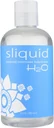 Sliquid H2O Original Sliquid | 4.9 | Water-Based | Sensitive skin, Daily use | |||||
#2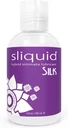 Sliquid Silk Hybrid Sliquid | 4.9 | Hybrid | Extended sessions, Toy use | |||||
#3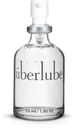 Überlube Luxury Lubricant Überlube | 4.9 | Silicone-Based | Extended sessions, Anal play | |||||
#4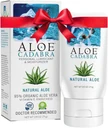 Aloe Cadabra Natural Aloe Cadabra | 4.8 | Water-Based | Natural lifestyle, Sensitive skin | |||||
#5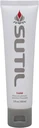 Sutil Luxe Body Glide Sutil | 4.8 | Water-Based | Luxury seekers, Ultra-premium experience | |||||
#6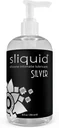 Sliquid Silver Silicone Sliquid | 4.8 | Silicone-Based | Clean-ingredient focus, Sensitive skin | |||||
#7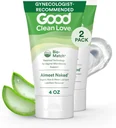 Good Clean Love Almost Naked Good Clean Love | 4.8 | Natural & Organic | Sensitive Skin, pH Balance | |||||
#8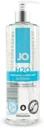 System JO H2O System JO | 4.7 | Water-Based | Clean ingredients, Toy users | |||||
#9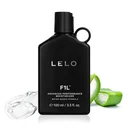 Hathor Aphrodisia Premium Lubricant Hathor | 4.7 | Water-Based | Luxury seekers, Clean ingredients | |||||
#10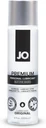 System JO Premium Silicone System JO | 4.7 | Silicone-Based | Award recognition, Sensitive skin |
The Complete Guide
Intimate skin isn't like regular skin. It's thinner, more absorbent, and reacts fast — which is why the wrong lubricant can burn or itch within minutes.
- Thinner tissue: ~4–5 cell layers vs. 16 on your face
- Higher absorption: 10–80× more than regular skin
- Delicate pH: healthy vaginal pH sits at 3.8–4.5
- Living microbiome: easily disrupted by harsh ingredients
- Hormonal shifts: pregnancy, breastfeeding, menopause
- Skin conditions: eczema/psoriasis, vulvodynia, vaginismus
- Infection-prone tissue: see our pH-sensitive and BV-prone guides
- Cumulative exposure: sensitivity can build over years of use
- Friction & stress: both weaken the skin barrier
Bottom line: if your skin reacts easily elsewhere, it'll react faster down there. Choose formulas built for that reality.
Sliquid
Sliquid Silk Hybrid
A creamy water-and-silicone blend that mimics natural lubrication — thicker and longer-lasting than pure water-based, easier to clean up than pure silicone.
Most lubricant reactions come down to two things: osmolality (how concentrated the formula is) and pH (how acidic it is). Get either wrong and sensitive tissue burns.
Your body fluids sit around 260–290 mOsm/kg. Many popular lubes run 10–30× higher, pulling water out of your cells.
- WHO safe limit: under 1200 mOsm/kg
- Iso-osmotic (~300) is ideal for sensitive skin
- Watch out for glycerin — raises osmolality and feeds yeast
- Vaginal use: 3.8 – 4.5
- Anal use: 5.5 – 7.0
- Post-menopause: 4.5 – 5.5
Wrong pH → BV, yeast infections, chronic irritation.
- Irritant: immediate burn, clears when you stop. Triggers: propylene glycol, chlorhexidine, fragrance.
- Allergic: delayed 24–48 hrs, worsens with repeat use. Triggers: fragrance, parabens, plant extracts.
- Parabens — irritation + hormone concerns
- Fragrance — #1 allergen
- Nonoxynol-9 — damages tissue
- Menthol / capsaicin — burn mucous membranes
Bottom line: low osmolality + matched pH + short ingredient list = happy skin.
Überlube
Überlube Luxury Lubricant
A near-frictionless luxury silicone in a chic pump bottle — a few drops last for hours, feels weightless on skin, and never turns tacky or needs reapplying mid-session.
Pros:
- Easy to wash off
- Compatible with all toys and condoms
- Most options for sensitive formulas
- Less likely to cause reactions
- Natural-feeling texture
- pH can be balanced for vaginal health
Cons:
- May need reapplication
- Some contain irritating additives
- Can feel tacky when drying
- Quality varies widely between brands
Best for: Daily use, toy play, those prone to infections, beginners
Sliquid
Sliquid H2O Original
A plant-derived water-based glide that stays slick without glycerin, parabens, or sticky residue — safe with every condom material and every toy in your drawer.
Pros:
- Very few ingredients (typically 3-5)
- Long-lasting without reapplication
- Hypoallergenic
- Does not absorb into tissue
- Waterproof for shower play
- Cannot harbor bacteria
Cons:
- Not compatible with silicone toys
- Harder to wash off (requires soap)
- Can stain fabrics
- Cannot contain water-soluble beneficial ingredients
Best for: Those with multiple sensitivities, water play, extended sessions
Überlube
Überlube Luxury Lubricant
A near-frictionless luxury silicone in a chic pump bottle — a few drops last for hours, feels weightless on skin, and never turns tacky or needs reapplying mid-session.
Pros:
- Balance of longevity and easy cleanup
- Often compatible with toys
- Good moisture retention
- Can include both silicone and water-based benefits
Cons:
- More ingredients than pure silicone
- May contain some irritants
- Varying quality between brands
- Must check silicone toy compatibility
Best for: Those who want longevity but easy cleanup
Sliquid
Sliquid Silk Hybrid
A creamy water-and-silicone blend that mimics natural lubrication — thicker and longer-lasting than pure water-based, easier to clean up than pure silicone.
- Purified Water — Base ingredient, completely non-irritating
- Aloe Vera — Soothing, moisturizing, helps heal irritated tissue
- Hyaluronic Acid — Deeply hydrating, naturally found in body tissues
- Dimethicone — Medical-grade silicone, hypoallergenic
- Cyclomethicone — Silicone that evaporates, leaving smooth finish
- Carrageenan — Seaweed-derived thickener, may have antiviral properties
- Hydroxyethylcellulose — Plant-derived thickener, very gentle
- Xanthan Gum — Generally safe thickener, rare reactions possible
- Citric Acid — pH adjuster, can irritate very sensitive individuals
- Vitamin E — Usually beneficial, but some people are allergic
- Lactic Acid — Natural pH maintainer, may sting compromised tissue
- Glycerin — Can feed yeast, high osmolality contributor
- Propylene Glycol — Common irritant, increases osmolality significantly
- Parabens — Preservatives linked to irritation and hormone disruption
- Chlorhexidine — Antimicrobial that disrupts vaginal flora
- Nonoxynol-9 — Spermicide that damages tissue and increases infection risk
- Fragrances — Complex chemical mixtures, common allergens
- Menthol — Cooling agent that can burn sensitive tissue
- Capsaicin — Warming agent that irritates delicate mucous membranes
Sutil
Sutil Luxe Body Glide
Sutil Luxe represents the pinnacle of water-based lubrication, featuring lotus root extract for an extraordinarily silky experience.
Glycerin is a sugar alcohol that can feed yeast, potentially leading to infections in sensitive individuals. It also significantly increases osmolality. Look for products explicitly labeled glycerin-free, especially if you are prone to yeast infections or have experienced burning with other lubricants. Many mainstream lubricants contain glycerin for its sweetening and humectant properties, making this ingredient particularly important to avoid.
Parabens (methylparaben, propylparaben, butylparaben) are preservatives that can cause allergic reactions and irritation. They have also been linked to hormone disruption. Most quality sensitive-skin lubricants now avoid them entirely in favor of safer preservatives or preservative-free formulas. If you see any ingredient ending in '-paraben,' consider it a warning sign for sensitive individuals.
A lubricant with a pH matching vaginal pH helps maintain healthy bacterial flora and reduces irritation risk. Check product specifications or contact manufacturers if pH is not listed. Products marketed as 'pH balanced' should fall within this range. Note that pH requirements differ for anal use (neutral pH) versus vaginal use (acidic pH).
Look for 'iso-osmotic' or 'low osmolality' on labels. Ideally, osmolality should be under 380 mOsm/kg (matching vaginal fluid), but anything under 1200 mOsm/kg is acceptable per WHO guidelines. Avoid products with osmolality over 1200 mOsm/kg. Unfortunately, many brands do not disclose osmolality, but avoiding glycerin and propylene glycol helps select lower-osmolality options.
The fewer ingredients, the fewer potential irritants. Simple formulas with 5-10 ingredients are typically safest for sensitive skin. Be wary of products with long ingredient lists full of botanical extracts, which can trigger allergies. Each added ingredient is another potential sensitivity trigger, so simplicity is your friend.
Fragrances are complex chemical mixtures and are among the most common causes of allergic reactions. Always choose unscented products for sensitive intimate areas. Note that 'unscented' is not the same as 'fragrance-free'—unscented products may contain masking fragrances. Look specifically for 'fragrance-free' labeling.
Look for lubricants that are FDA-cleared as medical devices or carry CE marking. These products have undergone safety testing and quality controls. This does not guarantee they will work for your sensitivity, but it ensures basic safety standards are met. Medical-grade designation indicates higher manufacturing standards.
For water-based lubricants, formulas built on aloe vera or hyaluronic acid tend to be gentler and more hydrating than those built on glycerin or propylene glycol. These ingredients provide lubrication while also soothing and moisturizing delicate tissue. They're particularly beneficial for those with chronic dryness.
Sliquid
Sliquid Silver Silicone
Sliquid Silver brings the brand's clean-ingredient philosophy to silicone lubrication with a pure, minimalist formula.
- Glycerin and glycerol (sugar alcohols that feed yeast and increase osmolality)
- Propylene glycol (common irritant, increases osmolality significantly)
- Parabens (methylparaben, propylparaben, butylparaben—preservatives linked to irritation)
- Chlorhexidine (disrupts vaginal microbiome and can cause allergic sensitization)
- Nonoxynol-9 (damages epithelial cells and increases infection risk)
- Artificial fragrances and dyes (complex mixtures that commonly cause allergies)
- Warming or cooling agents (menthol, capsaicin—too intense for sensitive tissue)
- Benzocaine or lidocaine (numbing agents that mask pain signals)
- Petroleum-based products (trap bacteria and can harbor infections)
- Products with very long ingredient lists (more potential triggers)
- Lubricants marketed primarily for flavor or sensation (contain sugars and additives)
- Essential oils (common allergens despite being 'natural')
- Products containing alcohol (drying and irritating to mucous membranes)
Good Clean Love
Good Clean Love Almost Naked
Good Clean Love Almost Naked is a certified organic personal lubricant made with 95% organic ingredients.
Reality: Many natural ingredients like essential oils, botanical extracts, and citrus derivatives are common allergens. Some synthetic ingredients like medical-grade silicone are actually hypoallergenic and safer for sensitive individuals. Always check specific ingredients rather than relying on marketing terms. 'Natural' does not mean hypoallergenic.
Reality: Burning is your body telling you something is wrong. Adding more of an irritating product will only increase the reaction. Stop using the product immediately, rinse with plain water, and switch to a different formula. Pain is a signal, not something to override.
Reality: While water itself is safe, water-based lubricants contain many other ingredients to provide texture, preserve the product, and adjust pH. Many of these additives can cause significant irritation, especially glycerin and propylene glycol. The 'water-based' category includes both excellent and problematic products.
Reality: Price does not correlate with sensitivity-friendliness. Some inexpensive lubricants have excellent formulations, while some premium products contain irritating ingredients. Focus on the ingredient list, not the price tag. Marketing budgets often drive price more than formulation quality.
Reality: Sensitivity can develop over time through a process called sensitization. Additionally, manufacturers sometimes change formulations without notice. If you suddenly react to a product you have used before, check if the formula changed or consider that you may have developed a sensitivity to one of its ingredients.
Reality: The term 'hypoallergenic' is not regulated and has no standardized meaning. Companies can use it freely without meeting specific criteria. While hypoallergenic products may be formulated to reduce common allergens, this does not guarantee they will work for everyone. Individual reactions vary.
Reality: Many lubricant reactions are irritant-based rather than allergy-based. Irritant reactions can happen to anyone with sensitive tissue, regardless of allergy history. Additionally, allergies can develop at any time, including to products used successfully in the past.
System JO
System JO H2O
System JO H2O is an award-winning water-based lubricant known for its exceptionally smooth texture and clean formula.
Finding the right lubricant for sensitive skin often requires some trial and error. Here is a safe approach to testing new products:
Apply a small amount of the lubricant to the inside of your forearm. This area has relatively sensitive skin and will show reactions without involving intimate areas. Cover with a bandage and leave for 24 hours. If you experience redness, itching, or irritation, do not proceed to further testing.
If the arm patch test is successful, apply a small amount to your inner thigh, closer to the groin but not on intimate tissue. Leave for 24 hours. This skin is more sensitive and will better predict intimate reactions.
Apply a small amount to the external vulvar area (labia majora). Wait 24 hours before proceeding. Any burning, itching, or irritation means this product is not right for you.
If all previous tests pass, try the lubricant for its intended use. Start with a small amount and pay attention to how your body responds both during and after use. Reactions can sometimes be delayed, so monitor for 24-48 hours after use.
- Only test one new product at a time
- Wait at least 3 days between testing different products
- Keep notes on products tested and any reactions
- Test during a time when you are not experiencing hormonal fluctuations
- Have a backup plan if a reaction occurs (plain water rinse, unscented barrier cream)
- Document the ingredient list of each product you test
- If you react, compare ingredient lists to identify common culprits
Keep a record of:
- Product name and date tested
- Full ingredient list
- Any reactions (immediate or delayed)
- Severity of reactions
- Context (time in cycle, stress level, etc.)
This documentation helps identify patterns and problematic ingredients over time.
Hathor
Hathor Aphrodisia Premium Lubricant
Hathor Aphrodisia is a luxury water-based lubricant with premium ingredients.
For those with particularly reactive intimate skin, additional considerations beyond basic ingredient avoidance may be necessary.
If you have experienced reactions to multiple lubricants, consider an elimination approach: 1. Start with the simplest possible product (pure silicone with 3-4 ingredients) 2. Use it exclusively for 2-3 weeks to establish a baseline 3. If tolerated, you know your skin can handle those ingredients 4. If you want to try water-based, choose one with minimal ingredients 5. Introduce new products one at a time with adequate testing periods
Some ingredients share chemical properties that can cause cross-reactions:
- If allergic to latex, you may react to some plant-based ingredients
- Fragrance allergies often cross-react with botanical extracts
- Preservative sensitivities can span multiple preservative families
Understanding these patterns helps predict potential reactions to new products.
Sensitive skin often has periods of greater and lesser reactivity:
- Avoid trying new products during menstruation
- Hormonal fluctuations (mid-cycle, PMS) can increase reactivity
- Stress periods often correlate with increased sensitivity
- Test new products when your skin is at its most stable
Chronic irritation damages the skin's moisture barrier, making it more susceptible to further irritation. Breaking this cycle may require:
- Giving tissue time to heal between uses
- Using barrier-supporting ingredients (vitamin E, ceramides)
- Avoiding all potential irritants until healing occurs
- Consider vaginal moisturizers between sexual activities
Latex condoms can themselves cause reactions in sensitive individuals. If you experience irritation with condom use:
- Try polyisoprene or polyurethane condoms
- Use a generous amount of compatible lubricant
- Consider that the issue may be latex sensitivity, not lubricant sensitivity
- Non-latex condoms eliminate one potential irritant source
Cold lubricant applied to sensitive tissue can cause shock and discomfort. Warm your lubricant in your hands before application. Store lubricant at room temperature—cold lubricant from a nightstand drawer in winter can cause surprising discomfort.
How you apply lubricant matters for sensitive skin:
- Apply externally first, allowing tissue to adjust
- Use gentle pressure rather than vigorous rubbing
- Reapply before friction increases rather than after discomfort begins
- Consider using lubricant more liberally than you think necessary
System JO
System JO Premium Silicone
System JO Premium is an award-winning silicone lubricant praised for its refined texture and skin-nourishing formula.
Insights from dermatologists specializing in intimate skin care provide valuable guidance for those with persistent sensitivity.
Chronic intimate skin sensitivity often requires a multidisciplinary approach:
- Dermatologists can identify underlying skin conditions
- Gynecologists can assess hormonal contributions
- Allergists can perform patch testing for specific allergens
- Pelvic floor therapists can address mechanical factors
If you react to multiple lubricants, formal patch testing can identify specific allergens:
- A dermatologist applies small amounts of potential allergens to your back
- Reactions are monitored over 48-96 hours
- Identified allergens can then be avoided in all products
- Common lubricant allergens tested include preservatives, fragrances, and botanical extracts
For acute reactions, topical corticosteroids can provide relief. However:
- They should not be used long-term on genital tissue
- They are for treating reactions, not preventing them
- Overuse can thin already-delicate tissue
- A healthcare provider should guide their use
Dermatologists recommend these practices for sensitive intimate skin:
- Wash with plain water or very gentle cleansers only
- Avoid douching and internal cleaning products
- Wear breathable cotton underwear
- Change out of sweaty clothing promptly
- Allow adequate air circulation when possible
Sometimes what appears to be lubricant sensitivity is actually:
- An undiagnosed skin condition (lichen sclerosus, contact dermatitis)
- Hormonal changes affecting tissue health
- Chronic infection (recurrent yeast or BV)
- Nerve-related conditions (vulvodynia)
Persistent symptoms warrant professional evaluation beyond trial-and-error product switching.
Sliquid
Sliquid H2O Original
A plant-derived water-based glide that stays slick without glycerin, parabens, or sticky residue — safe with every condom material and every toy in your drawer.
Beyond choosing the right lubricant, establishing a comprehensive intimate care routine supports sensitive skin health.
- Ensure you are adequately hydrated (dehydration affects natural lubrication)
- Gentle external cleansing with plain water
- Allow adequate time for arousal (natural lubrication production)
- Have your tested, safe lubricant easily accessible
- Communicate with partners about your sensitivities
- Apply lubricant before any friction occurs
- Reapply as needed—do not wait until discomfort starts
- Listen to your body's signals
- Do not push through pain or discomfort
- More lubricant is almost always better than less
- Gentle external rinse with plain water
- Avoid soap inside the vagina
- Urinate to reduce UTI risk
- Pat dry gently rather than rubbing
- Allow tissue to rest before any additional cleaning
- Wear breathable cotton underwear
- Avoid tight clothing that increases friction
- Consider a gentle vaginal moisturizer if experiencing chronic dryness
- Stay hydrated
- Monitor for delayed reactions to products
- Your primary tested lubricant
- A backup lubricant from a different category (e.g., if primary is water-based, backup could be silicone)
- Plain water or gentle cleanser for cleanup
- Unscented barrier cream for irritation recovery
- Documentation of products you have tested and their ingredients
If you experience a reaction:
- Stop using the suspected product immediately
- Rinse with plain water
- Avoid all products on the area for 2-3 days minimum
- Allow complete healing before introducing new products
- Consider keeping an antihistamine on hand for allergic reactions
Sliquid
Sliquid Silk Hybrid
A creamy water-and-silicone blend that mimics natural lubrication — thicker and longer-lasting than pure water-based, easier to clean up than pure silicone.
While most lubricant reactions are mild and resolve on their own, some situations require medical attention:
- Severe swelling of the vulva or vagina
- Difficulty breathing or swallowing
- Hives spreading beyond the intimate area
- Signs of anaphylaxis (rare but possible)
- Persistent burning or itching lasting more than 48 hours
- Unusual discharge after using a lubricant
- Recurring yeast infections or bacterial vaginosis
- Pain during urination following lubricant use
- Chronic irritation despite using sensitive-skin products
- Visible sores, blisters, or skin breakdown
- Bleeding from intimate tissue after lubricant use
- If you react to multiple lubricant brands
- If you have underlying conditions affecting intimate health
- If you are pregnant or breastfeeding and need lubricant recommendations
- If you are experiencing intimate skin changes you cannot explain
- If you suspect you may have a condition like vulvodynia or lichen sclerosus
- List of products you have tried and reactions experienced
- Ingredient lists from problematic products
- Timeline of symptoms
- Any patterns you have noticed (hormonal, seasonal, etc.)
- Questions about alternative products or treatments
- Gynecologist (for vaginal concerns)
- Dermatologist (for skin conditions, patch testing)
- Allergist (for allergy identification)
- Pelvic floor physical therapist (for mechanical sensitivity)
- Vulvar specialist (for chronic vulvar conditions)
Remember that intimate skin sensitivity is a legitimate medical concern deserving professional attention. You should not have to suffer through painful intimate experiences or endure ongoing discomfort.
Überlube
Überlube Luxury Lubricant
A near-frictionless luxury silicone in a chic pump bottle — a few drops last for hours, feels weightless on skin, and never turns tacky or needs reapplying mid-session.
Start with a medical-grade silicone lubricant for the safest possible introduction. These contain only 3-5 ingredients and are inherently hypoallergenic. If you need water-based (for silicone toys), choose a glycerin-free, paraben-free formula with fewer than 10 ingredients. Always patch test new products, and keep a journal of what you try and any reactions. Your documentation will be invaluable if you need to consult a specialist.
Aloe Cadabra
Aloe Cadabra Natural
Aloe Cadabra uses 95% organic aloe vera for the most natural lubricant experience possible.
Frequently Asked Questions
Related Buying Guides
Related Articles
Find Your Perfect Lubricant
Put this knowledge to use! Take our quiz for personalized product recommendations.
Take the Quiz