
Best Lubricants for Vaginismus
Gentle, supportive formulas for pelvic floor conditions
 Dr. Sarah ChenMD, OB-GYN, FACOG
Vaginismus—the involuntary tightening of vaginal muscles that makes penetration painful or impossible—affects countless women. Whether you are working with a pelvic floor therapist, using dilators at home, or slowly working toward comfortable intimacy with a partner, the right lubricant is an essential tool.
Vaginismus—the involuntary tightening of vaginal muscles that makes penetration painful or impossible—affects countless women. Whether you are working with a pelvic floor therapist, using dilators at home, or slowly working toward comfortable intimacy with a partner, the right lubricant is an essential tool.
Quality lubricant reduces friction and physical resistance, helping muscles relax rather than tensing in anticipation of pain. For vaginismus treatment, lubricant is not optional—it is a therapeutic necessity that supports each step of the healing process.
This guide helps you choose lubricants specifically suited for vaginismus treatment, whether for dilator therapy, pelvic floor exercises, or eventual partnered intimacy.
**Understanding the Scope of Vaginismus** Vaginismus is estimated to affect 5-17% of women in clinical settings, though the true prevalence is likely higher because many women never seek treatment due to shame, embarrassment, or the belief that nothing can help. Some estimates suggest that up to 1 in 5 women experience some form of penetration difficulty during their lifetime.
The condition exists on a spectrum—from mild discomfort that makes penetration difficult to complete inability to tolerate any vaginal insertion, including tampons, speculum exams, and penetrative sex. This spectrum means that treatment approaches and lubricant needs vary significantly between individuals.
**The Multidimensional Nature of Vaginismus** Modern understanding of vaginismus recognizes it as a biopsychosocial condition—meaning it involves biological, psychological, and social factors that interact and reinforce each other:
*Biological factors*: - Pelvic floor muscle hypertonicity (excessive tension) - Possible nerve sensitization in the vestibular area - Connective tissue dysfunction - Hormonal influences on tissue sensitivity - Genetic predisposition to anxiety or pain sensitivity
*Psychological factors*: - Fear and anxiety about pain (pain catastrophizing) - Previous traumatic experiences (sexual assault, painful medical procedures) - Negative beliefs about sex or the body - Performance anxiety and pressure - Depression and generalized anxiety - Body image concerns
*Social factors*: - Cultural or religious messaging about sex being wrong or painful - Inadequate sex education - Partner pressure or relationship dynamics - Societal expectations about sexual performance - Lack of open discussion about sexual difficulties
**Why Lubricant Is Therapeutically Essential** In vaginismus treatment, lubricant serves a therapeutic function—it's not just about comfort, it's about rewiring the body's protective response. Here's the neuroscience:
The pain-tension cycle in vaginismus involves the amygdala (fear center) triggering a defensive muscle contraction. Each painful experience strengthens this neural pathway. Treatment works by creating enough positive, pain-free penetration experiences to weaken the fear response and build a new neural pathway associating penetration with safety.
Lubricant directly supports this process by: - Eliminating friction as a pain source (so the only variable is muscle tension) - Reducing the physical force needed for insertion (less force = less perceived threat) - Creating a cushioning layer that protects tissue from micro-trauma - Enabling longer practice sessions (15-20 minutes) without tissue irritation or micro-trauma - Allowing the focus to remain on relaxation techniques (diaphragmatic breathing, progressive muscle relaxation) rather than physical mechanics - Providing consistent, predictable tactile sensation that helps the brain categorize penetration as safe - Supporting the partner's comfort and confidence during graduated intimacy exercises
**The Sensate Focus Connection** Many sex therapists incorporate sensate focus exercises—structured touch exercises developed by Masters and Johnson—into vaginismus treatment. During sensate focus, couples practice non-genital and then genital touching with the explicit agreement that penetration is off the table. This removes performance pressure and allows the nervous system to associate intimate touch with safety. Quality lubricant enhances sensate focus by adding pleasurable glide to touch exercises, reinforcing the positive sensory associations that treatment aims to build. As treatment progresses and dilator sizes increase, the lubricant used during sensate focus becomes the same lubricant used during graduated penetration—maintaining sensory consistency that supports the brain's safety learning.
**Treatment Success Rates** With proper treatment (pelvic floor therapy + psychological support + gradual desensitization), vaginismus has excellent outcomes. Studies report success rates of 80-95% for achieving comfortable penetration. Treatment typically requires 4-12 months of consistent work, with lubricant playing a critical supporting role throughout the entire process—from initial dilator therapy through graduated partner exercises to comfortable penetrative intimacy.
**Related Guides for Pelvic Pain** Explore our vulvodynia guide, endometriosis support, first-timers guide, and sensitive skin options. For product types, browse our silicone-based lubricants, water-based options, and natural alternatives. Related guides include couples tips, pH-sensitive formulas, and menopause management. Visit our buyers guide, ingredient guide, or take our quiz.
Recommended Lubricant Types
Based on this guide, these lubricant categories are most relevant to your needs:
Our Top Picks for Vaginismus
Expert-selected products that meet these specific needs
| Product | Score | Type | Best For | |
|---|---|---|---|---|
#1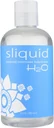 Sliquid H2O Original Sliquid GFPFpHLS | 4.9 | Water-Based | Sensitive skin, Daily use | |
#2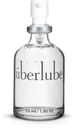 Überlube Luxury Lubricant Überlube GFPFpHLS | 4.9 | Silicone-Based | Extended sessions, Anal play | |
#3 Almost Naked Organic Good Clean Love GFPFpHLS | 4.8 | Water-Based | Organic lifestyle, Vaginal health | |
#4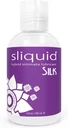 Sliquid Silk Hybrid Sliquid GFPFpHLS | 4.9 | Hybrid | Extended sessions, Toy use |
Understanding Vaginismus
What Is Vaginismus?
Vaginismus is the involuntary contraction of the pelvic floor muscles surrounding the vaginal opening. This makes penetration:
Types of Vaginismus
-
Primary vaginismus
Never been able to have comfortable penetration
Secondary vaginismus
Develops after previously comfortable intimacy
Global vaginismus
Affects all forms of penetration
Situational vaginismus
Affects only certain situations
Common Triggers
Vaginismus often develops from:
The Pain-Tension Cycle
Vaginismus creates a self-reinforcing cycle:
Treatment Approaches
Treatment typically involves:
The Critical Role of Dilator Therapy
Dilator therapy is the cornerstone of vaginismus treatment, and lubricant is indispensable to this process. The protocol typically involves:
Understanding Pelvic Floor Hypertonicity
The pelvic floor is a complex group of muscles that form a hammock-like structure at the base of the pelvis. In vaginismus, these muscles develop chronic hypertonicity—meaning they are constantly in a state of excessive tension, similar to a muscle cramp that won't release. This isn't a conscious choice; it's a reflexive protective response, much like blinking when something approaches your eye. Understanding this involuntary nature is crucial for both patients and partners—it removes blame and redirects focus to therapeutic solutions. Pelvic floor physical therapists use manual techniques, biofeedback, and progressive desensitization to teach these muscles to relax. Quality lubricant supports every aspect of this retraining by ensuring that practice sessions are friction-free, comfortable, and positive.
Vaginismus is a complex condition with both physical and psychological components. Understanding it helps explain why lubricant choice matters.
What Is Vaginismus?
Vaginismus is the involuntary contraction of the pelvic floor muscles surrounding the vaginal opening. This makes penetration: - Painful or impossible - Trigger anxiety and fear - Create a cycle of pain and tension
Types of Vaginismus
-
Common Triggers
Vaginismus often develops from: - Painful first experiences - Sexual trauma or assault - Medical procedures (painful exams) - Fear and anxiety about sex - Relationship issues - Strict upbringing about sexuality - Other pelvic pain conditions
The Pain-Tension Cycle
Vaginismus creates a self-reinforcing cycle: 1. Anticipation of pain triggers anxiety 2. Anxiety causes muscle tension 3. Muscle tension causes actual pain 4. Pain reinforces anticipation
Treatment Approaches
Treatment typically involves: - Pelvic floor physical therapy - Gradual dilator therapy (starting from smallest size and progressing over weeks to months) - Cognitive behavioral therapy (CBT) addressing fear-avoidance patterns and catastrophic thinking - Mindfulness-based stress reduction targeting body awareness - Biofeedback training to develop voluntary control over pelvic floor muscles - Partner-inclusive therapy to rebuild intimate trust and communication - In some cases, Botox injections to temporarily relax the pelvic floor muscles, creating a window for therapy
The Critical Role of Dilator Therapy
Dilator therapy is the cornerstone of vaginismus treatment, and lubricant is indispensable to this process. The protocol typically involves:
*Size progression*: Medical dilator sets range from approximately 1/2 inch to 1.5+ inches in diameter, with 4-6 intermediate sizes. Patients begin with the smallest size they can tolerate and gradually work upward over weeks to months.
*Session frequency*: Most therapists recommend daily 15-20 minute sessions for optimal neuroplasticity—the brain needs consistent positive input to rewire the pain-fear association.
*Lubricant requirements for dilators*: Unlike partnered intimacy, dilator therapy requires lubricant that is: (1) compatible with the dilator material (most medical dilators are silicone, plastic, or glass), (2) long-lasting enough for a full 15-20 minute session without reapplication, (3) ultra-gentle since tissue is being exposed to a novel stimulus, and (4) easy to clean from the dilator surface afterward.
*The lubricant-relaxation connection*: Adequate lubrication reduces the insertion force required, which directly reduces the threat signal sent to the amygdala. Even a few grams less resistance can make the difference between the pelvic floor relaxing and clamping down. This is why quality lubricant isn't optional—it's mechanistically essential to successful treatment. - Psychological counseling - Relaxation techniques - Partner communication - Lubricant use throughout
Understanding Pelvic Floor Hypertonicity
The pelvic floor is a complex group of muscles that form a hammock-like structure at the base of the pelvis. In vaginismus, these muscles develop chronic hypertonicity—meaning they are constantly in a state of excessive tension, similar to a muscle cramp that won't release. This isn't a conscious choice; it's a reflexive protective response, much like blinking when something approaches your eye. Understanding this involuntary nature is crucial for both patients and partners—it removes blame and redirects focus to therapeutic solutions. Pelvic floor physical therapists use manual techniques, biofeedback, and progressive desensitization to teach these muscles to relax. Quality lubricant supports every aspect of this retraining by ensuring that practice sessions are friction-free, comfortable, and positive.
How Lubricant Supports Vaginismus Treatment
Lubricant plays a crucial therapeutic role in vaginismus treatment at every stage.
1Reducing Physical Resistance
Quality lubricant:
2Breaking the Pain Cycle
When penetration becomes less physically uncomfortable:
3Supporting Dilator Therapy
Dilator therapy is central to vaginismus treatment:
4Enabling Practice
Regular practice is key to overcoming vaginismus:
5Partner Intimacy
When progressing to partnered activities:
6Dilator Therapy: A Detailed Guide
Vaginal dilators are graduated cylinders used to progressively increase comfort with penetration. They typically come in sets of 4-8 sizes, starting very small (approximately the width of a finger) and progressing to average penis width.
7Smallest size
Generous lubricant helps overcome the initial fear barrier. Even the smallest dilator can feel threatening—lubricant ensures the first experience is as smooth as possible
8Middle sizes
As you progress, lubricant allows focus on relaxation techniques rather than friction management
9Larger sizes
The importance of lubricant increases with dilator size, as larger diameters create more surface contact and potential friction
10Transitioning to partner
Using the same lubricant from dilator therapy creates positive associations that carry over to partnered intimacy
11Choosing Lubricant Based on Dilator Material
- Silicone dilators (most common): Use ONLY water-based lubricant
12The Role of Pelvic Floor Physical Therapy
Pelvic floor physical therapy is the cornerstone of vaginismus treatment, and lubricant use is integrated into the therapeutic protocol:
13The Graduated Partner Intimacy Protocol
When patients progress from solo dilator work to partner involvement, lubricant provides crucial continuity and safety. A typical graduated protocol involves these stages, each requiring generous lubricant:
Complete Ingredient Guide
Ingredients for Vaginismus-Friendly Lubricants
Dimethicone (Silicone)
Excellent lasting power, minimal ingredients
Hyaluronic Acid
Hydrating, supports tissue comfort
Aloe Vera
Soothing, generally well-tolerated
Vitamin E
Antioxidant, supports healing
Purified Water
Clean base ingredient
Carrageenan
Natural thickener, cushioning
Chamomile Extract
Calming but possible allergies
Glycerin
Can cause irritation during extended sessions
Propylene Glycol
Potential irritant for sensitive tissue
Lidocaine/Benzocaine
Numbing interferes with therapy progress
Fragrances
Unnecessary irritant risk
Warming Agents
Distracting and potentially irritating
Lubricant Types Compared
Lubricant Types for Vaginismus
Silicone-Based
Sensitivity Rating
5/5 for sensitive skin
Pros:
- + Exceptional lasting power for extended sessions
- + Minimal ingredients reduce irritation risk
- + Great for dilator therapy
- + Does not dry out during use
Cons:
- − Not compatible with silicone dilators
- − Requires soap for cleanup
- − Cannot contain water-soluble additives
Best for: Dilator therapy with non-silicone dilators, extended practice sessions
Water-Based (Thick/Gel)
Sensitivity Rating
4/5 for sensitive skin
Pros:
- + Compatible with silicone dilators
- + Easy cleanup
- + Can contain soothing ingredients
- + Many options available
Cons:
- − May need reapplication during long sessions
- − Must choose carefully to avoid irritants
- − Quality varies between brands
Best for: Silicone dilator use, general practice, partner intimacy
Hybrid
Sensitivity Rating
4/5 for sensitive skin
Pros:
- + Good lasting power
- + Easier cleanup than pure silicone
- + Balance of properties
- + Often thick, cushioning texture
Cons:
- − May not be silicone-toy safe
- − More ingredients than pure silicone
- − Fewer options specifically formulated for sensitivity
Best for: Those wanting lasting power with easier cleanup
What to Look For with Vaginismus
Long-Lasting Formula
Dilator therapy and gradual desensitization require extended sessions. Choose lubricants that maintain slipperiness without constant reapplication. Silicone-based options excel here.
Thick, Cushioning Texture
Thicker formulas provide more cushioning and protection for tense muscles. Gel consistencies often work better than thin, runny liquids for vaginismus.
Gentle, Non-Irritating Formula
Any irritation adds to the pain experience and reinforces negative associations. Choose hypoallergenic, minimal-ingredient formulas that will not cause burning or stinging.
Dilator Compatibility
If using silicone dilators (most common type), you must use water-based lubricant. For glass, metal, or plastic dilators, silicone lubricant is an excellent choice.
Easy Application
Look for bottles with easy one-hand dispensing. During therapy, you want to focus on relaxation, not wrestling with packaging.
Fragrance-Free
Unscented products avoid any sensory distractions and reduce irritation risk. Keep the focus on therapeutic progress, not product fragrance.
What to Avoid with Vaginismus
- Numbing or desensitizing lubricants (interfere with therapy—you need to feel progress)
- Silicone lubricant with silicone dilators (damages dilators)
- Thin, watery formulas that require constant reapplication
- Products with fragrances or unnecessary additives
- Warming or cooling sensations (distracting, potentially irritating)
- High-osmolality products that may cause tissue discomfort
- Cheap brands with long, unfamiliar ingredient lists
- Flavored lubricants (designed for oral use, not therapy)
Common Myths Debunked
Common Myths About Vaginismus and Lubricants
Numbing lubricant will help with vaginismus
Numbing lubricants are counterproductive for vaginismus treatment. The goal is to teach your body that penetration is not painful—you cannot learn this if you cannot feel. Desensitizing products may also mask injury. Avoid them unless specifically prescribed.
If I need lubricant, I am not really aroused
Lubricant need has nothing to do with arousal or desire. During vaginismus treatment, anxiety often interferes with natural lubrication even when desire is present. Using lubricant is practical, not a reflection of your feelings.
More lubricant will make dilator therapy work faster
While adequate lubricant is essential, excessive amounts can reduce the tactile feedback needed for therapeutic progress. Use enough to reduce friction but not so much that you cannot gauge your body's responses.
Vaginismus means I can never have comfortable penetration
With proper treatment, most women with vaginismus achieve comfortable penetration. Quality lubricant is one tool among many—pelvic floor therapy, psychological support, and patient practice lead to success for many women.
Expensive specialty lubricants are necessary for vaginismus
While some specialty products are excellent, many accessible, affordable lubricants work perfectly for vaginismus treatment. The key is finding a gentle, long-lasting formula—not necessarily the most expensive option.
Vaginismus is purely psychological and lubricant won't help
While vaginismus has psychological components, the muscle contractions are very real and physical. Lubricant addresses the physical dimension—reducing friction, cushioning tissue, and minimizing the sensory input that triggers the protective reflex. By removing the physical discomfort, lubricant allows the psychological work (relaxation, desensitization, reframing) to proceed more effectively. Treatment requires addressing both dimensions simultaneously.
Using Lubricant in Vaginismus Treatment
Proper lubricant use maximizes the effectiveness of vaginismus treatment.
For Dilator Therapy
Dilators are central to vaginismus treatment: - Apply lubricant generously to dilator - Also apply to vaginal opening - Use enough that insertion requires minimal pressure - Reapply as needed during extended sessions - Clean dilators thoroughly after each use
Creating Relaxing Conditions
Treatment is more effective when relaxed: - Choose a private, comfortable space - Have lubricant easily accessible - Use warm (not cold) lubricant - Take your time—this is not a race - Practice breathing exercises before and during
Session Structure
A typical practice session: 1. Relaxation techniques (breathing, mindfulness) 2. Apply lubricant liberally 3. Begin with comfortable size or external touch 4. Gradually progress as muscles relax 5. End on a positive, manageable experience 6. Practice regularly (most programs suggest daily)
Communicating with Partners
When progressing to partnered intimacy: - Explain your lubricant needs clearly - Have partner participate in application - Keep lubricant accessible during activity - Agree on signals for adding more - Celebrate small progressions
Tracking Progress
Keep a journal of: - Which lubricants work best - Session duration and comfort levels - Progress through dilator sizes - What helps relaxation - Any reactions or concerns
Working with Your Therapist
Share lubricant experiences with your provider: - What products you have tried - Any reactions or preferences - Questions about specific products - Progress and challenges
Building Positive Associations
One powerful technique involves deliberately creating positive sensory associations with your lubricant. Before dilator practice, take a moment to warm the lubricant between your palms. Practice deep breathing while doing so. Over time, the act of warming lubricant becomes a conditioned relaxation cue—your body begins to associate the sensation and scent of the lubricant with the calm, controlled state you cultivate during successful practice sessions. This Pavlovian conditioning effect is subtle but powerful, and it carries over to partnered intimacy when you use the same product.
Expert Tip
For silicone dilators (most common), use a thick water-based gel like Sliquid Sassy or Good Clean Love. For glass or metal dilators, silicone lubricant provides excellent lasting power. Apply more lubricant than you think you need—there is no award for using less. The goal is comfortable, progressive experiences that teach your body penetration does not have to hurt.
Related Guides & Resources
Best Lube for Vulvodynia
Managing chronic vulvar pain
Best Lube for Sensitive Skin
Gentle formulas for reactive bodies
Best Lube for First Timers
Guidance for new experiences
Best Lube for Toys
Dilator and toy compatibility
Best Lube for Endometriosis
Managing pelvic conditions
Best Lube for Couples
Progressing to partner intimacy
Water-Based Lubricants
Best for silicone dilators
Frequently Asked Questions
Explore All 37+ Lubricant Guides
Browse our complete buyer's guide hub with guides organized by health conditions, activities, relationships, and preferences.
View Complete Buyer's GuideRelated Guides
Best Lube for Vulvodynia
Ultra-gentle formulas designed for chronic vulvar pain conditions
Best Lube for Endometriosis
Gentle, long-lasting formulas to help manage dyspareunia
Best Lube for First Timers
Gentle formulas for comfortable, confident first experiences
Best Lube for Sensitive Skin
Gentle, hypoallergenic formulas that won't irritate
Best Lube for Toys
Safe, compatible formulas for every toy material
Best Lube for Menopause
Restore comfort and pleasure during hormonal changes