
Are Natural and Organic Lubricants Worth the Higher Price?
Natural and organic lubricants cost more, but do they deliver better results? We examine the evidence and help you decide if they're right for you.
 Dr. Sarah ChenMD, OB-GYN, FACOG
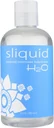
Sliquid
Sliquid H2O OriginalA plant-derived water-based glide that stays slick without glycerin, parabens, or sticky residue — safe with every condom material and every toy in your drawer.
The Complete Guide
The first step in evaluating whether natural and organic lubricants are worth the investment is understanding what these terms actually mean—and more importantly, what they don't guarantee.
"Natural" is perhaps the most misleading term in personal care marketing. Unlike food products, which have some regulatory oversight, there is no legal definition of "natural" for lubricants or cosmetics. This means:
What Manufacturers Claim:
- Plant-derived ingredients
- Minimal synthetic chemicals
- No artificial fragrances
- Clean, wholesome formulations
What It Actually Means:
- Absolutely nothing legally binding
- Any product can claim to be "natural"
- No third-party verification required
- Often marketing-driven rather than science-driven
The Reality Check: Arsenic is natural. Poison ivy is natural. Ricin (one of the most toxic substances known) is derived from castor beans—completely natural. "Natural" origin says nothing about safety, efficacy, or quality. Similarly, many synthetic ingredients are perfectly safe and even superior to natural alternatives.
Learn more about evaluating ingredient safety in our ingredient glossary and sensitive skin guide.
"Organic" carries more meaning than "natural" because it involves third-party certification and auditing. However, the specifics matter:
USDA Organic Certification: The most recognized standard in the United States:
- 100% Organic: All ingredients are certified organic
- Organic: At least 95% certified organic ingredients
- Made with Organic Ingredients: At least 70% certified organic
Other Certifications:
- NSF Organic: Third-party verified for personal care
- COSMOS Organic: European certification standard
- Ecocert: French certification body
- Soil Association: UK organic standard
What Organic Certification Means:
- Agricultural ingredients grown without synthetic pesticides
- No synthetic fertilizers used in ingredient production
- No GMO ingredients (for certified products)
- Regular auditing and compliance verification
- Traceability of ingredient sources
What Organic Certification Doesn't Mean:
- Superior lubricating performance
- Hypoallergenic properties (organic ingredients can cause allergies)
- Longer shelf life (often shorter)
- Better pH balance
- Safer for all users
For detailed product recommendations, explore our natural and organic lubricant guide.
Between truly organic and conventional products lies a vast middle ground of products using terms like:
- "Made with natural ingredients"
- "Naturally-derived"
- "Plant-based"
- "Clean formula"
- "Eco-friendly"
These phrases indicate nothing specific and require no verification. A lubricant could be 99% synthetic with 1% aloe vera and still claim to be "made with natural ingredients."
Sliquid
Sliquid H2O Original
A plant-derived water-based glide that stays slick without glycerin, parabens, or sticky residue — safe with every condom material and every toy in your drawer.
Frequently Asked Questions
Related Buying Guides
Related Articles
Find Your Perfect Lubricant
Put this knowledge to use! Take our quiz for personalized product recommendations.
Take the Quiz