Best Lubricants for Pregnancy
Safe, gentle formulas for intimate comfort during pregnancy
 Dr. Sarah ChenMD, OB-GYN, FACOG
Pregnancy brings remarkable changes to your body, including shifts in intimate comfort and natural lubrication. Many expecting mothers experience changes in vaginal moisture due to hormonal fluctuations, making quality lubricant an essential part of maintaining intimate wellness during this transformative time.
Pregnancy brings remarkable changes to your body, including shifts in intimate comfort and natural lubrication. Many expecting mothers experience changes in vaginal moisture due to hormonal fluctuations, making quality lubricant an essential part of maintaining intimate wellness during this transformative time.
Finding the right lubricant during pregnancy requires extra care—you want products that are safe for both you and your developing baby, free from potentially harmful ingredients, and gentle enough for your changing body. Our team of experts, in consultation with OB-GYNs, has identified the safest, most effective options for pregnant women.
**Why Pregnancy Changes Lubrication** Pregnancy creates a complex hormonal environment that affects lubrication unpredictably. While pregnancy is often associated with increased vaginal discharge (which is true—leukorrhea is a normal pregnancy symptom), this doesn't necessarily mean adequate lubrication for intimacy. The increased discharge is primarily protective mucus, not the same as arousal-related lubrication.
Many pregnant women are surprised to experience dryness during intimate moments, particularly during the first trimester when hormone levels are rapidly shifting and during the third trimester when progesterone dominates. Second trimester is often called the "honeymoon period" because estrogen levels peak, blood flow to the pelvis increases, and many women feel their most comfortable—but even then, individual experiences vary widely.
**The Importance of Continued Intimacy** For couples with healthy, uncomplicated pregnancies, maintaining intimate connection throughout pregnancy offers significant benefits: - Strengthens the emotional bond between partners during a major life transition - Physical intimacy releases oxytocin, which promotes bonding and stress relief - Orgasm may help with uterine muscle tone (beneficial for labor preparation) - Regular intimacy maintains pelvic floor health and blood flow to genital tissue - Can help manage pregnancy-related stress and anxiety - Strengthens communication patterns that benefit the postpartum period
**Safety First: What the Research Shows** Extensive medical research confirms that for normal, healthy pregnancies, sexual intercourse and lubricant use are safe throughout all trimesters. The cervical mucus plug and amniotic sac provide multiple layers of protection for the developing baby. The key concerns are choosing products with safe ingredients and following your OB-GYN's guidance if you have any high-risk pregnancy factors.
**What Makes This Guide Different** Unlike general lubricant guides, every recommendation here has been specifically evaluated for pregnancy safety—checking for potential endocrine disruptors, ingredients that could affect vaginal pH during this vulnerable period, compounds with insufficient safety data during pregnancy, and compatibility with the heightened infection susceptibility that pregnancy creates.
This comprehensive guide covers everything you need to know about using lubricants during pregnancy—from understanding why your lubrication needs change to choosing the perfect product for each trimester.
**Related Guides for Pregnancy and Beyond** Explore our trying to conceive guide, postpartum recovery, IVF and fertility support, and pH-sensitive options. For vaginal health, see our yeast infection prevention, BV prevention, and sensitive skin formulas. Browse our natural lubricants, water-based options, or visit our buyers guide. Take our quiz.
Recommended Lubricant Types
Based on this guide, these lubricant categories are most relevant to your needs:
Our Top Picks for Pregnancy
Expert-selected products that meet these specific needs
| Product | Score | Type | Best For | |
|---|---|---|---|---|
#1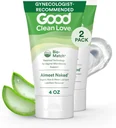 Good Clean Love Almost Naked Good Clean Love GFPFpHLS | 4.8 | Natural & Organic | Sensitive Skin, pH Balance | |
#2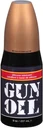 Pink Silicone Lubricant for Women Pink GFPFpHLS | 4.5 | Silicone-Based | Women, Gentle formula | |
#3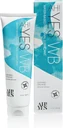 Sylk Natural Lubricant Sylk GFPFpHLS | 4.5 | Natural & Organic | Unique ingredients, Natural preference |
Understanding Changes During Pregnancy
First Trimester (Weeks 1-12)
The first trimester involves the most dramatic hormonal shifts:
Second Trimester (Weeks 13-27)
Often the most comfortable period for intimacy:
Third Trimester (Weeks 28-40)
Physical changes create new challenges:
Increased Blood Flow and Tissue Changes
Pregnancy increases blood volume by approximately 50%, and blood flow to the pelvic region increases dramatically. This enhanced blood flow:
pH Changes During Pregnancy
The vaginal pH typically shifts during pregnancy, generally becoming slightly more alkaline (higher pH). This shift:
Pregnancy triggers significant hormonal changes that can dramatically affect intimate comfort. Understanding these changes by trimester helps you choose the right lubricant and know what to expect.
First Trimester (Weeks 1-12)
The first trimester involves the most dramatic hormonal shifts: - HCG (human chorionic gonadotropin) rises rapidly, sometimes causing nausea that reduces desire - Estrogen and progesterone begin their steady climb but haven't peaked yet - Many women experience fatigue that overshadows intimate desire - Breast tenderness and heightened smell sensitivity can make intimacy less appealing - Vaginal dryness is common as the body adjusts to rapidly changing hormone levels - Anxiety about the new pregnancy may create psychological barriers to intimacy - Some women experience light spotting, which can be alarming during or after sex (usually normal but always mention to your provider)
Second Trimester (Weeks 13-27)
Often the most comfortable period for intimacy: - Estrogen levels peak, enhancing vaginal blood flow and natural lubrication - Nausea typically resolves, energy increases - Many women report heightened sensitivity and arousal - Increased pelvic blood flow can make orgasms more intense - Body confidence may improve as the pregnancy becomes visible - The "pregnancy glow" reflects genuinely improved skin and tissue hydration - However, some women still experience dryness—individual variation is significant
Third Trimester (Weeks 28-40)
Physical changes create new challenges: - The growing belly limits comfortable positions significantly - Progesterone dominance may reduce natural lubrication - Fatigue returns as the body prepares for delivery - Braxton-Hicks contractions can occur during or after orgasm (usually harmless) - Hip and back pain may affect positioning - Anxiety about approaching labor can impact desire - Some women experience increased swelling that changes sensation - The baby's position may cause pelvic pressure that affects comfort
Increased Blood Flow and Tissue Changes
Pregnancy increases blood volume by approximately 50%, and blood flow to the pelvic region increases dramatically. This enhanced blood flow: - Can make tissue more sensitive to both pleasure and irritation - Means vaginal tissue absorbs products more readily—choosing safe ingredients matters more - May cause swelling (engorgement) that changes how penetration feels - Can lead to varicosities (varicose veins) in the vulvar area in some women - Makes tissue more delicate and potentially more prone to micro-tears
pH Changes During Pregnancy
The vaginal pH typically shifts during pregnancy, generally becoming slightly more alkaline (higher pH). This shift: - Increases susceptibility to infections (BV, yeast, UTIs) - Changes how lubricants interact with your vaginal environment - Makes choosing pH-balanced products even more important - Combined with pregnancy-related immune changes, creates a more vulnerable environment - May cause some products that worked before pregnancy to feel different
Why Lubricant Safety Matters During Pregnancy
During pregnancy, what you put in and on your body matters more than ever. Understanding how lubricants interact with your changing body helps you make safer choices for both you and your developing baby.
1Absorption and Transfer: What We Know
Vaginal tissue readily absorbs substances applied to it—this is why vaginal medications are effective. During pregnancy, increased blood flow means absorption may be enhanced. However, it's important to understand the actual risk in context:
2Infection Prevention: A Critical Consideration
Pregnancy increases susceptibility to vaginal infections through several mechanisms:
3Ingredients of Concern During Pregnancy
Several ingredient categories warrant extra caution during pregnancy:
4Safe Sex During Pregnancy
For most healthy pregnancies, sex is perfectly safe throughout all trimesters. The baby is protected by the amniotic sac, amniotic fluid, the strong uterine muscles, and the thick cervical mucus plug. However, adequate lubrication is essential to prevent micro-tears or irritation that could increase infection risk.
Complete Ingredient Guide
Ingredient Safety Chart for Pregnancy
Purified Water
Completely safe base ingredient
Aloe Vera
Natural, soothing, safe during pregnancy
Hyaluronic Acid
Natural hydrator, safe for pregnancy—supports tissue health
Vitamin E
Antioxidant, safe at typical lubricant levels
Dimethicone
Inert silicone, does not absorb systemically
Lactic Acid
Supports healthy pH, naturally occurring in the vagina
Hydroxyethylcellulose
Neutral cellulose thickener, safe and inert
Glycerin
Safe systemically but may promote yeast infections—pregnancy risk is elevated
Propylene Glycol
Generally safe but may cause irritation on sensitized tissue
Parabens
Potential endocrine disruptors—avoid during pregnancy as precaution
Nonoxynol-9
Spermicide that damages tissue and increases infection risk
Fragrances
May contain phthalates, potential irritants, insufficient safety data
Warming Agents
Can cause irritation to sensitive pregnancy tissue
Essential Oils
Many untested during pregnancy, some potentially stimulate contractions
Lubricant Types Compared
Lubricant Types for Pregnancy
Water-Based
Sensitivity Rating
5/5 for sensitive skin
Pros:
- + Easy to clean (important when frequent bathroom trips are normal)
- + Condom compatible for STI prevention
- + Gentle on sensitive pregnancy tissue
- + No systemic absorption concerns
- + Available in glycerin-free formulas
- + Compatible with all toys
Cons:
- − May need reapplication during extended sessions
- − Some contain glycerin (check labels)
- − Quality varies between brands
Best for: Most pregnant women, everyday use, all trimesters
Silicone-Based
Sensitivity Rating
4/5 for sensitive skin
Pros:
- + Long-lasting reduces interruptions
- + Hypoallergenic with minimal ingredients
- + No preservatives needed
- + Won't disrupt vaginal pH
- + Excellent for shower intimacy
- + Completely inert—no absorption concerns
Cons:
- − Requires soap for cleanup
- − Not compatible with silicone toys
- − May stain some fabrics
Best for: Long-lasting needs, minimal-ingredient preferences, water play
Hybrid
Sensitivity Rating
4/5 for sensitive skin
Pros:
- + Best of both worlds—longer lasting than water-based
- + Easier cleanup than pure silicone
- + Good balance of properties
Cons:
- − Check ingredient list carefully for irritants
- − May not work with silicone toys
- − More ingredients than pure silicone
Best for: Balance of comfort, longevity, and easy cleanup
What to Look For in Pregnancy-Safe Lubricants
Simple, Non-Toxic Ingredients
Choose lubricants with short ingredient lists featuring recognizable, well-studied ingredients. Water, aloe vera, hyaluronic acid, and dimethicone are excellent choices with long safety track records. Aim for products with fewer than 10 ingredients.
Paraben-Free Formula
Parabens are potential endocrine disruptors that may cross the placental barrier. While evidence of harm at lubricant levels is limited, the precautionary principle during pregnancy supports avoidance. Most quality brands now offer paraben-free options.
pH Balanced (3.8-4.5)
Maintaining proper vaginal pH is especially important during pregnancy when infection risk is elevated. Choose products specifically formulated for vaginal pH. This helps support protective Lactobacillus bacteria that guard against BV and yeast infections.
Fragrance-Free
Artificial fragrances can contain hidden phthalates and irritate sensitive pregnancy tissue. Pregnancy heightens smell sensitivity too—what was previously unnoticeable may now be overwhelming. Choose completely unscented products.
OB-GYN Recommended
Products specifically recommended by OB-GYNs have additional credibility for pregnancy use. Brands like Sliquid, Good Clean Love, and certain silicone lubricants are commonly recommended by prenatal care providers.
Glycerin-Free (Ideal)
Pregnant women are 2-3x more susceptible to yeast infections. Since glycerin feeds Candida yeast, choosing glycerin-free formulas reduces one risk factor. This is especially important if you have a history of yeast infections.
What to Avoid During Pregnancy
- Parabens and phthalates (potential endocrine disruptors—precautionary avoidance)
- Spermicides including nonoxynol-9 (tissue-damaging, infection-promoting)
- Artificial fragrances and dyes (potential irritants, may contain hidden chemicals)
- Warming or cooling agents (can cause irritation to sensitive pregnancy tissue)
- Essential oils without confirmed pregnancy safety (clary sage, evening primrose especially)
- Products with unverified 'natural' claims (natural doesn't mean pregnancy-safe)
- High osmolality formulas (can damage sensitized tissue)
- Chlorhexidine and harsh antimicrobials (disrupt protective vaginal flora)
- Products containing hormones unless prescribed
- DIY or homemade lubricant preparations (no quality control)
Common Myths Debunked
Common Myths About Lubricant and Pregnancy
You should not use lubricant during pregnancy
Lubricant is perfectly safe during pregnancy and can actually make intimacy more comfortable and enjoyable. For many pregnant women experiencing hormonal dryness, lubricant is the difference between painful and pleasurable sex. The key is choosing products with safe, simple ingredients—which is good advice for everyone, pregnant or not.
Natural lubricants are always safer during pregnancy
Not all natural ingredients are safe during pregnancy. Some essential oils (clary sage, evening primrose) may stimulate uterine activity. Some plant extracts haven't been studied during pregnancy. And 'natural' products may still contain glycerin, which promotes yeast infections. Evaluate ingredients individually rather than trusting the 'natural' marketing label.
Sex is dangerous during pregnancy so lubricant does not matter
For most healthy pregnancies, sex is completely safe throughout all trimesters—this is well-supported by medical research. The baby is protected by multiple barriers (amniotic sac, fluid, uterine muscle, cervical mucus plug). Using lubricant actually makes sex safer by reducing friction and potential micro-tears that could increase infection risk.
If you are pregnant, you do not need lubricant because of increased discharge
While pregnancy discharge (leukorrhea) increases, this protective mucus is different from arousal-related lubrication. Many pregnant women experience dryness during intimacy despite having more daily discharge. Every body responds differently to pregnancy hormones—don't assume discharge equals adequate intimate lubrication.
Lubricant can harm the baby or cause miscarriage
Standard lubricants (water-based, silicone-based) cannot reach or affect the developing baby. The baby is protected deep within the uterus, behind the cervical mucus plug and within the amniotic sac. No evidence links lubricant use to miscarriage, birth defects, or any adverse pregnancy outcomes.
You should avoid orgasm during pregnancy because it causes contractions
Orgasm does cause mild uterine contractions, but these are normal and harmless for healthy pregnancies. These contractions are similar to Braxton-Hicks contractions and do not trigger labor in uncomplicated pregnancies. Using adequate lubricant ensures comfortable intimacy that can include orgasm safely.
Guide by Trimester
Each trimester brings different needs and considerations for lubricant use during pregnancy.
First Trimester (Weeks 1-12): Adjustment Period
During this time, your body is adapting to rapidly changing hormones. You may experience: - Unpredictable lubrication—sometimes more, sometimes less than pre-pregnancy - Heightened sensitivity to smells (choose unscented products) - Nausea that may reduce desire but doesn't preclude gentle intimacy - Breast tenderness that affects positioning and touch preferences - Anxiety about the new pregnancy
Lubricant tips for first trimester: - Switch to fragrance-free if you haven't already - Keep lubricant accessible for spontaneous intimacy when you feel well - Water-based formulas are gentlest during this adjustment period - Patch test any new product on your inner forearm before intimate use - Don't worry if desire fluctuates dramatically—this is normal
Second Trimester (Weeks 13-27): Comfort Period
Many women feel their best during the second trimester: - Nausea typically resolves and energy increases - Increased blood flow may enhance sensation and arousal - Higher estrogen levels may improve natural lubrication - Growing belly is manageable—most positions still comfortable - Emotional connection often strengthens during this period
Lubricant tips for second trimester: - You may need less lubricant than first or third trimester - This is a good time to experiment with positions while the belly is moderate - [Silicone lubricant](/best-silicone-based-lubricants) works well for shower or bath intimacy - Continue using pregnancy-safe products even if natural lubrication improves - Apply lubricant to both partners for comprehensive comfort
Third Trimester (Weeks 28-40): Adaptation Period
Physical changes require creative solutions: - Growing belly significantly limits position options - Progesterone dominance may increase dryness - Back pain, hip pain, and general discomfort affect positioning - Braxton-Hicks contractions may occur during or after intimacy (usually harmless) - Swelling and pressure may change how penetration feels - Fatigue is significant—choose positions that require less exertion
Lubricant tips for third trimester: - Use generous amounts—don't ration lubricant when comfort is challenged - Choose long-lasting formulas (silicone or hybrid) to reduce reapplication - Thick gel formulas provide cushioning for sensitive tissue - Side-lying positions are usually most comfortable—lubricant helps with any position - Keep lubricant within easy reach (bending to pick things up becomes difficult) - Consider a pump bottle for easy one-handed use
Position Suggestions by Trimester
- First trimester: Most pre-pregnancy positions work; experiment based on comfort - Second trimester: Side-lying, seated, and partner-on-top positions; avoid prolonged lying flat - Third trimester: Side-lying (spooning), seated on edge of bed, standing with support; always prioritize belly comfort and avoid positions that put pressure on the abdomen
Important Safety Notes
Stop intimate activity and contact your provider if you experience: - Vaginal bleeding during or after sex - Amniotic fluid leakage (clear, odorless fluid different from discharge) - Severe cramping that doesn't resolve after orgasm - Your provider has placed restrictions on sexual activity
Remember that position changes in the third trimester aren't just about comfort—after 20 weeks, prolonged lying flat on your back can compress the vena cava (a major blood vessel), reducing blood flow. Avoid extended time in this position.
When to See a Healthcare Provider
Consult your OB-GYN or midwife if you experience:
- Persistent burning or irritation that does not resolve after stopping a particular lubricant - Unusual discharge (changes in color, consistency, or odor)—pregnancy increases baseline discharge, but significant changes warrant evaluation - Any bleeding after intercourse (light spotting can be normal due to cervical sensitivity, but always report it) - Signs of infection (itching, burning, unusual odor)—pregnancy increases infection risk - Severe vaginal dryness that does not improve with quality lubricant - Recurring yeast infections during pregnancy (very common due to hormonal changes) - Pain during intimacy that lubricant doesn't resolve - Contractions after intimacy that are regular, increasing in intensity, or don't resolve with rest
**Situations Requiring Activity Restrictions** If you have a high-risk pregnancy, placenta previa, history of preterm labor, cervical insufficiency, premature rupture of membranes, or have been advised to avoid intercourse, follow your healthcare provider's specific guidance. These conditions may require modified intimate activities.
Questions to Ask Your Provider
- Is sex safe for my specific pregnancy situation?
- Are there any positions I should avoid?
- Which lubricant brands do you recommend during pregnancy?
- Should I be concerned about my level of vaginal dryness?
- When should I report contractions after intimacy vs. considering them normal?
- Is it safe to have sex if I've had spotting?
- Should I get tested for Group B Strep before delivery, and does intimate activity affect this?
Expert Tip
When choosing a lubricant during pregnancy, opt for products with the shortest, simplest ingredient lists. Water-based lubricants with aloe vera or hyaluronic acid are excellent choices that support tissue hydration during hormonal changes. Avoid glycerin if you're prone to yeast infections (which are much more common during pregnancy). Always check with your OB-GYN if you have any concerns about product safety for your specific pregnancy situation.
You May Also Need
Related Guides & Resources
Best Lube for Trying to Conceive
Fertility-friendly lubricant options.
Best Lube for Sensitive Skin
Gentle formulas for sensitive individuals.
Best Lube for Postpartum
After-birth intimate care guide.
Best Lube for Dryness
Solutions for vaginal dryness.
Best Lube for Yeast Infection Prevention
Prevent yeast during pregnancy.
Best Lube for Couples
Partner-friendly options.
Water-Based Lubricants
Most popular pregnancy-safe options.
Natural & Organic Lubricants
Plant-based options for pregnancy.
Silicone-Based Lubricants
Hypoallergenic long-lasting formulas.
Good Clean Love vs Sliquid
Popular pregnancy-safe brands compared.
Frequently Asked Questions
Explore All 37+ Lubricant Guides
Browse our complete buyer's guide hub with guides organized by health conditions, activities, relationships, and preferences.
View Complete Buyer's GuideRelated Guides
Best Lube for Trying to Conceive
Fertility-friendly formulas that support your journey
Best Lube for Postpartum
Gentle formulas for resuming intimacy after childbirth
Best Lube for IVF & Fertility Treatments
Sperm-friendly formulas that support your fertility journey
Best Lube for Couples
Versatile formulas that enhance every intimate moment
Best Lube for Sensitive Skin
Gentle, hypoallergenic formulas that won't irritate
Best Lube for Toys
Safe, compatible formulas for every toy material