Best Vegan Lubricants
Cruelty-free, plant-based formulas that align with your values
 Dr. Sarah ChenMD, OB-GYN, FACOG
For those committed to a vegan lifestyle, personal care products—including lubricants—should align with ethical values. However, finding truly vegan lubricants requires more than checking for obvious animal products. Many lubricants contain hidden animal-derived ingredients or are tested on animals despite appearing plant-based.
For those committed to a vegan lifestyle, personal care products—including lubricants—should align with ethical values. However, finding truly vegan lubricants requires more than checking for obvious animal products. Many lubricants contain hidden animal-derived ingredients or are tested on animals despite appearing plant-based.
The good news is that the market for ethical intimate products has grown significantly, with many excellent vegan options now available. These products prove that you don't have to compromise on performance or safety to maintain your values in the bedroom.
This comprehensive guide will help you understand what makes a lubricant truly vegan, which ingredients to watch for, how to verify cruelty-free claims, and which products deliver both ethical sourcing and excellent performance. Our experts have thoroughly evaluated dozens of products for both their vegan credentials and their functional quality.
**The Growing Market for Ethical Intimate Products** The vegan and cruelty-free personal care market has grown by over 175% in the past five years, reflecting a fundamental shift in consumer values. This growth extends to intimate products, where discerning consumers increasingly demand transparency about ingredient sourcing, animal testing policies, and environmental impact. What was once a niche market with limited options has become a robust category with dozens of certified products.
**Why Lubricant Veganism Is More Complex Than You Think** Going vegan with your lubricant requires more scrutiny than simply checking for obvious animal products. The intimate product industry has unique challenges: glycerin can be animal or plant-derived but is rarely labeled with its source, some preservatives are tested on animals even when the finished product isn't, and supply chain transparency varies dramatically between brands. Even "cruelty-free" claims can be misleading if the parent company or ingredient suppliers conduct animal testing.
**The Environmental Dimension** Many vegan consumers also prioritize environmental sustainability—and these values are deeply interconnected. Animal agriculture is a leading driver of deforestation, water pollution, and greenhouse gas emissions. Choosing products that avoid animal-derived ingredients often aligns with lower environmental impact. Some vegan lubricant brands take this further with recyclable packaging, sustainably sourced ingredients, carbon-neutral manufacturing, and refillable container programs.
**Who This Guide Is For** Whether you are a committed vegan seeking to extend your values to every product you use, someone transitioning to a more plant-based lifestyle, or simply someone who prefers not to use animal-derived products on their most intimate areas, this guide provides the comprehensive information you need to make informed choices. We evaluate both the ethical credentials and the functional performance of every product we recommend—because a lubricant that aligns with your values but doesn't work well isn't a real solution.
**Key Considerations Beyond Ingredients** True vegan compliance extends beyond the ingredient list: - Does the company test finished products on animals? - Do ingredient suppliers conduct animal testing? - Does the company sell in markets that require animal testing (like China)? - Is the parent company engaged in animal testing for other products? - Are manufacturing processes free from animal-derived processing aids? - Does the company use sustainable packaging?
**The Intersection of Veganism and Intimate Wellness** Choosing vegan intimate products is increasingly recognized as part of a holistic wellness philosophy. The same consumers who select organic produce, avoid fast fashion, and reduce single-use plastics naturally extend their ethical framework to the bedroom. This holistic approach has driven innovation in the intimate product space, with vegan brands leading the way in ingredient transparency, sustainable packaging, and clinical testing. Products from companies like Sliquid, Good Clean Love, and YES have demonstrated that ethical manufacturing and premium performance are not mutually exclusive—they are complementary values that result in better products for both consumers and the planet.
**Related Guides for Ethical Shoppers** Explore our natural and organic lubricants, sensitive skin guide, budget-friendly options, and ingredient guide. For specific needs, see our couples guide, pH-sensitive formulas, and condom compatibility. Browse our water-based lubricants, silicone-based options, or visit our buyers guide. Take our quiz or check our brand comparison.
Recommended Lubricant Types
Based on this guide, these lubricant categories are most relevant to your needs:
Our Top Picks for Best Vegan Lubricants
Expert-selected products that meet these specific needs
| Product | Score | Type | Best For | |
|---|---|---|---|---|
#1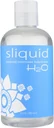 Sliquid H2O Original Sliquid GFPFpHLS | 4.9 | Water-Based | Sensitive skin, Daily use | |
#2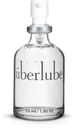 Überlube Luxury Lubricant Überlube GFPFpHLS | 4.9 | Silicone-Based | Extended sessions, Anal play | |
#3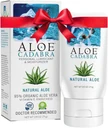 Aloe Cadabra Natural Aloe Cadabra GFPFpHLS | 4.8 | Water-Based | Natural lifestyle, Sensitive skin | |
#4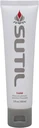 Sutil Luxe Body Glide Sutil GFPFpHLS | 4.8 | Water-Based | Luxury seekers, Ultra-premium experience | |
#5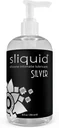 Sliquid Silver Silicone Sliquid GFPFpHLS | 4.8 | Silicone-Based | Clean-ingredient focus, Sensitive skin |
What Makes a Lubricant Truly Vegan
No Animal-Derived Ingredients
This includes obvious ingredients like beeswax and lanolin, but also less obvious ones like glycerin (which can be animal-derived), certain vitamins, and some colorants derived from insects or animal sources.
No Animal Testing
True vegan products are never tested on animals at any stage of development. This includes both the final product and individual ingredients. Some companies claim "finished product not tested on animals" while using ingredients that were animal-tested.
No Animal Exploitation
Strict vegans may also consider whether ingredients involve animal exploitation even if the animal isn't killed—such as certain silk-derived products or ingredients harvested from living animals.
Supply Chain Verification
Ethical vegan companies verify their entire supply chain, ensuring that ingredient suppliers also don't test on animals or use animal-derived processing aids.
Environmental Considerations
Many vegan consumers also prioritize environmental sustainability, including sustainable sourcing, minimal packaging, and eco-friendly manufacturing processes.
Third-Party Verification
Certifications from organizations like Leaping Bunny, PETA, or Vegan Society provide independent verification of vegan and cruelty-free claims.
A vegan lubricant must meet several criteria beyond simply not containing obvious animal products:
No Animal-Derived Ingredients
This includes obvious ingredients like beeswax and lanolin, but also less obvious ones like glycerin (which can be animal-derived), certain vitamins, and some colorants derived from insects or animal sources.
No Animal Testing
True vegan products are never tested on animals at any stage of development. This includes both the final product and individual ingredients. Some companies claim "finished product not tested on animals" while using ingredients that were animal-tested.
No Animal Exploitation
Strict vegans may also consider whether ingredients involve animal exploitation even if the animal isn't killed—such as certain silk-derived products or ingredients harvested from living animals.
Supply Chain Verification
Ethical vegan companies verify their entire supply chain, ensuring that ingredient suppliers also don't test on animals or use animal-derived processing aids.
Environmental Considerations
Many vegan consumers also prioritize environmental sustainability, including sustainable sourcing, minimal packaging, and eco-friendly manufacturing processes.
Third-Party Verification
Certifications from organizations like Leaping Bunny, PETA, or Vegan Society provide independent verification of vegan and cruelty-free claims.
Common Non-Vegan Ingredients in Lubricants
Understanding which ingredients may be animal-derived helps you evaluate products accurately:
1Glycerin/Glycerol
Glycerin can be plant-derived (vegetable glycerin) or animal-derived (from animal fats). Most quality brands now use vegetable glycerin, but it's worth verifying. Vegan lubricants should specify "vegetable glycerin" if glycerin is included.
2Vitamin E (Tocopherol)
Vitamin E is commonly added to lubricants for its skin-conditioning properties. It can be derived from plant oils or animal sources. Look for products specifying plant-derived vitamin E.
3Collagen and Elastin
Sometimes added to premium skincare-style lubricants, these proteins are traditionally animal-derived. Plant-based alternatives exist but are less common.
4Beeswax
Found in some natural lubricants, beeswax is an animal product and not vegan. It's typically used as a thickener or emulsifier.
5Lanolin
Derived from sheep's wool, lanolin is sometimes added for moisturizing properties. Not vegan and can cause reactions in sensitive individuals.
6Carmine
A red colorant derived from cochineal insects, sometimes used in flavored or colored lubricants.
7Squalene
Can be derived from shark liver (not vegan) or olive oil (vegan). Quality vegan products use plant-derived squalane.
8Stearic Acid
Can be animal or plant-derived. Vegan products should specify plant-derived stearic acid or use alternatives.
9Understanding Hidden Animal-Derived Processing Aids
Some ingredients appear vegan but may be processed using animal-derived aids. For example:
10Refined sugars
may be processed through bone char filters (relevant for sugar-containing lubricants)
11Wine-derived ingredients
may be fined with animal products like isinglass or casein
12Some pharmaceutical-grade ingredients
may use animal-derived gelatin in purification processes
13Activated charcoal
in some specialty products may be derived from bone
14The China Question: A Critical Consideration
One of the most contentious issues in cruelty-free certification involves markets that legally mandate animal testing. China historically required all imported cosmetics to undergo animal testing, creating a dilemma for brands wanting to sell in this massive market. While China updated regulations in 2021 to exempt some categories (including "general cosmetics" manufactured outside China), enforcement remains inconsistent and post-market animal testing may still occur. Truly cruelty-free brands must either: avoid the Chinese market entirely, sell only through cross-border e-commerce (which is exempt from testing requirements), or limit sales to product categories confirmed exempt from testing. When evaluating a brand's cruelty-free claims, ask specifically about their China market strategy.
15Certification Deep Dive: What Each Logo Actually Means
Understanding certification standards helps you assess their reliability:
16Leaping Bunny (CCIC)
The gold standard for cruelty-free certification. Requires corporate-wide commitment (including parent companies and subsidiaries), independent supplier monitoring, and ongoing compliance audits. Does NOT certify vegan status—only cruelty-free
17PETA's Beauty Without Bunnies
Self-reported program where companies sign a pledge. Less rigorous verification than Leaping Bunny but covers a broader range of companies. Offers both "cruelty-free" and "cruelty-free AND vegan" listings
18Vegan Society Trademark
The oldest and most respected vegan certification. Verifies both the absence of animal-derived ingredients AND no animal testing. Conducts ingredient audits and manufacturing process reviews
19Choose Cruelty Free (CCF)
Australian certification with strict standards including a five-year rolling no-animal-testing rule for both companies and suppliers
20Vegan Action (V-label)
Certifies products contain no animal ingredients. Does not inherently cover animal testing practices, so a V-label product may not be cruelty-free
21The Intersection of Veganism and Sexual Health
Vegan lubricants often align well with sexual health best practices. Many non-vegan ingredients (glycerin from animal fats, lanolin, beeswax) are also common irritants or allergens. By choosing vegan products, you often inadvertently choose simpler, less allergenic formulas. Plant-derived alternatives like aloe vera, hyaluronic acid (produced through bacterial fermentation, not animal extraction), and cellulose-based thickeners tend to be well-tolerated by sensitive tissue.
22The China Question: A Nuanced Issue
China has historically required animal testing for imported cosmetics, making it impossible for companies selling there to be truly cruelty-free. However, this landscape is evolving:
23Palm Oil: The Overlooked Ethical Concern
Some lubricant ingredients are derived from palm oil, whose production is linked to deforestation, habitat destruction, and orangutan population decline. Ingredients that may be palm-derived include:
24Practical Testing: How to Verify Vegan Claims
When evaluating a product's vegan credentials:
Complete Ingredient Guide
Vegan Ingredient Guide
Purified Water
Always vegan, essential base ingredient
Vegetable Glycerin
Plant-derived, must specify 'vegetable'
Aloe Vera
Plant-derived, soothing and moisturizing
Medical-Grade Silicone
Synthetic, not animal-derived
Carrageenan
Seaweed-derived, naturally vegan
Xanthan Gum
Bacterial fermentation product, vegan
Hyaluronic Acid
Now typically biosynthetic, confirm vegan
Plant-Derived Vitamin E
Must specify plant-derived
Glycerin (unspecified)
May be animal-derived, verify source
Vitamin E (unspecified)
May be animal-derived, verify source
Beeswax
Animal product from bees
Lanolin
Animal product from sheep wool
Carmine
Colorant from crushed insects
Lubricant Types Compared
Vegan Lubricant Types
Water-Based
Sensitivity Rating
4/5 for sensitive skin
Pros:
- + Many vegan options available
- + Easy to verify plant ingredients
- + Compatible with all toys
- + Easy cleanup
Cons:
- − Check glycerin source carefully
- − May need reapplication
- − Quality varies between brands
Best for: Daily use, toy compatibility, easy ingredient verification
Silicone-Based
Sensitivity Rating
5/5 for sensitive skin
Pros:
- + Inherently vegan (synthetic)
- + Very few ingredients to check
- + Long-lasting
- + Hypoallergenic
Cons:
- − Not compatible with silicone toys
- − Harder to wash off
- − Some environmental concerns
Best for: Those wanting guaranteed vegan formula, long-lasting use
Natural/Organic
Sensitivity Rating
3/5 for sensitive skin
Pros:
- + Often aligned with vegan values
- + Transparent ingredient sourcing
- + Environmentally conscious
Cons:
- − Must verify each ingredient
- − May contain beeswax or lanolin
- − Not automatically vegan
Best for: Those prioritizing natural ingredients with verified vegan status
What to Look For in Vegan Lubricants
Certified Vegan Logo
Look for certification from recognized organizations like the Vegan Society, PETA's 'Beauty Without Bunnies,' or Leaping Bunny. These certifications verify both ingredient sourcing and no animal testing.
Cruelty-Free Certification
Separate from vegan certification, cruelty-free specifically addresses animal testing. The gold standard is Leaping Bunny certification, which audits the entire supply chain.
Specific Ingredient Sources
Quality vegan brands specify ingredient sources: 'vegetable glycerin,' 'plant-derived vitamin E,' etc. Vague ingredient lists may hide animal-derived components.
Transparent Company Ethics
Research the company's overall ethics. Do they sell in markets requiring animal testing (like China)? Are they owned by parent companies with poor animal welfare records?
Environmental Responsibility
Many vegan consumers also value sustainability. Look for recyclable packaging, sustainable ingredient sourcing, and environmentally conscious manufacturing.
Quality Performance
Vegan status doesn't guarantee quality. Ensure the product also meets your functional needs—appropriate texture, longevity, and compatibility.
What Vegans Should Avoid
- Beeswax (listed as cera alba on some labels)
- Lanolin and lanolin derivatives
- Unspecified glycerin (may be animal-derived)
- Carmine, cochineal, or E120 (insect-derived colorant)
- Collagen or elastin (unless specified plant-based)
- Squalene without 'plant-derived' specification
- Companies that test on animals or sell in China
- Products without clear ingredient lists
- Parent companies with poor animal welfare records
- Unverified 'vegan' or 'cruelty-free' claims
Common Myths Debunked
Vegan Lubricant Myths Debunked
Natural and organic lubricants are automatically vegan
Many natural products contain beeswax, lanolin, or other animal ingredients. 'Natural' refers to ingredient sourcing, not animal welfare. Always verify vegan status separately.
Silicone isn't vegan because it's not natural
Silicone is synthetic but completely vegan—it's derived from silicon (a mineral) and contains no animal products. Being non-natural doesn't make something non-vegan.
Small vegan brands are always ethical
Size doesn't guarantee ethics. Some small brands make unverified claims, while some larger companies have rigorous vegan certification. Look for third-party verification regardless of company size.
Vegan lubricants don't perform as well
Some of the highest-performing lubricants on the market are vegan. Plant-based ingredients and synthetics can match or exceed animal-derived alternatives in every performance metric.
If it says 'not tested on animals,' it's cruelty-free
This phrase often refers only to the finished product, not ingredients. Individual ingredients may have been tested on animals. True cruelty-free certification covers the entire supply chain.
Understanding Vegan & Cruelty-Free Certifications
Different certifications have different standards. Here's what each means:
Leaping Bunny (CCIC)
The gold standard for cruelty-free certification. Requires: - No animal testing on finished products - No animal testing on ingredients by supplier - Independent audits of supply chain - Ongoing monitoring and updates
PETA Beauty Without Bunnies
Self-reported certification where companies pledge: - No animal testing by company - No animal testing by suppliers - Not sold in countries requiring animal testing - Includes both "cruelty-free" and "cruelty-free & vegan" designations
Vegan Society Trademark
Specifically addresses vegan status: - No animal ingredients in product - No animal-derived processing aids - No GMO ingredients involving animal genes - No animal testing by company or suppliers
Choose Cruelty Free (CCF)
Australian certification requiring: - No animal testing for five years - Supply chain verification - No parent company animal testing - Regular re-accreditation
Self-Declared Claims
Claims like "vegan" or "cruelty-free" without certification should be verified. Contact the company directly and research their policies. Reputable companies are transparent about their practices.
How to Build an Ethical Lubricant Toolkit
For committed vegans, building a comprehensive ethical intimate product toolkit involves more than just lubricant selection. Consider the full ecosystem of products you use: [condoms](/guide/best-lube-for-condoms) (most latex condoms contain casein—a milk protein—but brands like GLYDE and Sustain offer vegan alternatives), toy cleaners (ensure they're also cruelty-free), and any additional intimate products. Creating a consistent ethical approach across all products simplifies purchasing decisions and ensures your values are reflected throughout your intimate life. Many retailers now offer curated vegan intimate product bundles that take the guesswork out of individual product research.
The Future of Ethical Intimate Products
The vegan intimate product market is evolving rapidly. Emerging trends include biodegradable packaging made from mushroom mycelium or seaweed-based materials, carbon-neutral manufacturing processes, refillable lubricant systems that reduce plastic waste by up to 90%, and ingredient traceability platforms where consumers can verify the origin and processing of every ingredient through QR codes on packaging. Some forward-thinking brands are even exploring lab-grown alternatives to traditionally animal-derived ingredients, ensuring identical performance with zero animal involvement.
When to See a Healthcare Provider
Choosing vegan products doesn't change when you should seek medical attention for intimate health concerns
Seek care if you experience
Discuss with your provider
Note for healthcare discussions
Choosing vegan products doesn't change when you should seek medical attention for intimate health concerns:
Seek care if you experience
- Persistent irritation or burning from any lubricant
- Signs of infection (unusual discharge, odor, itching)
- Allergic reactions to plant-derived ingredients
- Pain during intimacy that lubricant doesn't resolve
- Recurring [yeast infections](/guide/best-lube-for-yeast-infection-prevention) or [BV](/guide/best-lube-for-bv-prone)
Discuss with your provider
- If you have allergies to specific plant ingredients
- Concerns about ingredient sensitivities
- Questions about ingredient safety during [pregnancy](/guide/best-lube-for-pregnancy)
- Whether certain botanicals might affect medications
**Note for healthcare discussions:** When discussing intimate health with providers, mention if you use vegan products. This helps them understand your ingredient exposure and make appropriate recommendations that align with your values.
Expert Tip
Sliquid is the gold standard for vegan lubricants—they were one of the first companies to obtain comprehensive vegan and cruelty-free certification, and their entire product line meets strict ethical standards. For silicone options, pure silicone formulas are inherently vegan since silicone is synthetic. Always verify certification rather than relying on marketing claims.
Related Guides & Resources
Frequently Asked Questions
Explore All 37+ Lubricant Guides
Browse our complete buyer's guide hub with guides organized by health conditions, activities, relationships, and preferences.
View Complete Buyer's GuideRelated Guides
Best Lube for Sensitive Skin
Gentle, hypoallergenic formulas that won't irritate
Best pH-Balanced Lubricants
Formulas that support your body's natural chemistry
Best Budget Lubricants
Quality intimate products that won't break the bank
Best Lube for Couples
Versatile formulas that enhance every intimate moment
Best Lube for Toys
Safe, compatible formulas for every toy material
Best Lube for Menopause
Restore comfort and pleasure during hormonal changes