
Best Lubricants During Cancer Treatment
Ultra-gentle, medical-grade formulas for treatment-related intimate changes
 Dr. Sarah ChenMD, OB-GYN, FACOG
Cancer treatment brings profound changes to the body, including significant impacts on intimate health that many patients don't expect. Chemotherapy, radiation, hormone therapy, and surgery can all cause severe vaginal dryness, tissue fragility, and heightened sensitivity that make standard lubricants uncomfortable or even painful.
Cancer treatment brings profound changes to the body, including significant impacts on intimate health that many patients don't expect. Chemotherapy, radiation, hormone therapy, and surgery can all cause severe vaginal dryness, tissue fragility, and heightened sensitivity that make standard lubricants uncomfortable or even painful.
During cancer treatment, your immune system is compromised, tissues are more fragile, and your body is more reactive to chemicals and irritants. This makes lubricant choice critically important—the wrong product can cause infections, worsen tissue damage, or trigger painful reactions.
This comprehensive guide is created with input from oncology nurses and sexual health specialists to help cancer patients and survivors navigate intimate health during and after treatment. We focus on the gentlest, most medical-grade options that support healing while maintaining quality of life.
**The Overlooked Dimension of Cancer Care** Sexual health during and after cancer treatment is one of the most underaddressed aspects of oncologic care. Studies consistently show that 30-100% of cancer patients experience some form of sexual dysfunction during treatment (varying by cancer type and treatment modality), yet only 10-20% of oncology teams routinely discuss sexual health with their patients. This silence leaves millions of people struggling with intimate challenges they weren't prepared for and don't know how to address.
The impact extends beyond the patient. Partners of cancer patients report their own sexual health concerns, caregiver burden, and relationship strain. Intimate health affects quality of life, mental health outcomes, and even treatment adherence—patients who maintain satisfying relationships tend to cope better with treatment demands.
**Why This Guide Exists** We created this guide in collaboration with oncology nurses, sexual health specialists, and cancer survivors who shared their experiences. The goal is to fill the gap that exists in most cancer care: providing practical, specific guidance about intimate products that is grounded in oncologic safety principles.
**Cancer Treatment and Intimate Health: The Full Picture** The impact of cancer treatment on intimate health depends on the type of cancer, the specific treatments used, and individual patient factors. Understanding these relationships helps guide lubricant selection:
*Breast cancer*: The most common cancer in women, breast cancer treatment frequently includes: - Aromatase inhibitors (letrozole, anastrozole, exemestane): Cause severe estrogen deprivation, leading to rapid-onset vaginal atrophy comparable to surgical menopause. Treatment typically continues for 5-10 years - Tamoxifen: A selective estrogen receptor modulator that may cause both estrogenic and anti-estrogenic effects on vaginal tissue—effects vary by individual - Chemotherapy: Causes direct tissue damage plus potential premature ovarian failure in premenopausal women - The combination of these treatments can create the most severe intimate health challenges of any cancer type
*Gynecologic cancers (cervical, ovarian, uterine, vulvar)*: Treatment often directly affects reproductive and genital tissue: - Surgical removal of reproductive organs changes anatomy - Pelvic radiation causes permanent tissue changes including fibrosis and stenosis - Chemotherapy compounds the effects of surgery and radiation - Combined treatment modalities create cumulative tissue damage
*Colorectal cancer*: Pelvic radiation and surgery can affect nerve pathways responsible for arousal and orgasm. Ostomy creation may affect body image and intimate positioning.
*Prostate cancer*: The most common cancer in men, with treatments that frequently cause ED: - Radical prostatectomy: Nerve damage affects 30-80% of patients depending on nerve-sparing technique - Radiation therapy: Gradual development of ED in 20-50% of patients - Androgen deprivation therapy: Dramatically reduces libido and erectile function
**The Importance of Vaginal Health Maintenance During Treatment** For patients receiving pelvic radiation or systemic hormone therapy, maintaining vaginal health is a medical priority—not just a quality-of-life concern: - Vaginal stenosis (narrowing) from radiation can make future pelvic exams impossible, compromising cancer surveillance - Vaginal atrophy increases UTI risk, which can be serious in immunocompromised patients - Tissue maintenance through lubricant use, moisturizers, and dilators preserves functionality for both health and intimacy - Early intervention produces better outcomes than trying to reverse advanced atrophy
**Related Guides for Medical Conditions** Explore our guides on vaginal dryness, menopause management, sensitive skin formulas, and pH-sensitive options. For related concerns, see our postpartum guide, vulvodynia resources, and vaginismus support. Browse our natural organic lubricants, silicone-based options, or visit our ingredient guide. Check our buyers guide or take our personalized quiz.
Recommended Lubricant Types
Based on this guide, these lubricant categories are most relevant to your needs:
Our Top Picks for Cancer Treatment
Expert-selected products that meet these specific needs
| Product | Score | Type | Best For | |
|---|---|---|---|---|
#1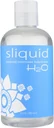 Sliquid H2O Original Sliquid GFPFpHLS | 4.9 | Water-Based | Sensitive skin, Daily use | |
#2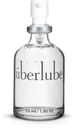 Überlube Luxury Lubricant Überlube GFPFpHLS | 4.9 | Silicone-Based | Extended sessions, Anal play | |
#3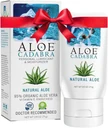 Aloe Cadabra Natural Aloe Cadabra GFPFpHLS | 4.8 | Water-Based | Natural lifestyle, Sensitive skin | |
#4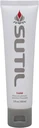 Sutil Luxe Body Glide Sutil GFPFpHLS | 4.8 | Water-Based | Luxury seekers, Ultra-premium experience | |
#5 Sliquid Silver Silicone Sliquid GFPFpHLS | 4.8 | Silicone-Based | Clean-ingredient focus, Sensitive skin |
How Cancer Treatment Affects Intimate Health
Chemotherapy Effects
Chemo affects rapidly dividing cells throughout the body, including vaginal tissue cells. This can cause:
Radiation Effects (Pelvic)
Radiation to the pelvic area directly damages vaginal tissue:
Hormone Therapy Effects
Hormone treatments for breast and other cancers cause menopause-like symptoms:
Surgical Effects
Cancer surgeries can cause:
Psychological Impact
Cancer treatment often causes:
Understanding Treatment Timelines and Lubricant Needs
Cancer treatment is not a single event but a journey with distinct phases, each with different intimate health needs:
The Oncology-Sexology Gap
Despite the documented impact of cancer treatment on intimate health, a significant gap exists between oncologic care and sexual health support. A 2023 survey published in the *Journal of Sexual Medicine* found that only 12% of oncology providers felt confident discussing sexual health with patients, and fewer than 30% of cancer centers offer dedicated sexual health resources. This guide aims to partially bridge that gap by providing the practical product guidance that most cancer patients never receive from their treatment teams.
Immunocompromised Considerations: Safety First
During periods of severe immunosuppression (particularly during chemotherapy-induced neutropenia, when absolute neutrophil count drops below 500/μL), even small infections can become life-threatening. Lubricant safety during these periods requires extra vigilance:
Radiation-Specific Tissue Changes
Pelvic radiation causes unique tissue changes that persist long after treatment ends. Radiation fibrosis—the replacement of normal elastic tissue with stiff collagen—develops over months to years and is largely irreversible. This fibrosis affects:
Different cancer treatments impact intimate health in various ways, often compounding each other:
Chemotherapy Effects
Chemo affects rapidly dividing cells throughout the body, including vaginal tissue cells. This can cause: - Severe vaginal dryness - Thinning of vaginal walls - Increased infection susceptibility - Mucositis (inflammation of mucous membranes) - Reduced natural immune protection
Radiation Effects (Pelvic)
Radiation to the pelvic area directly damages vaginal tissue: - Scarring and fibrosis of vaginal walls - Permanent dryness in irradiated areas - Narrowing of vaginal canal (stenosis) - Tissue fragility and bleeding - Long-term tissue changes that persist after treatment
Hormone Therapy Effects
Hormone treatments for breast and other cancers cause menopause-like symptoms: - Sudden, severe estrogen depletion - Rapid onset of vaginal atrophy - Extreme dryness - Tissue thinning and loss of elasticity - pH changes that increase infection risk
Surgical Effects
Cancer surgeries can cause: - Nerve damage affecting sensation and arousal - Anatomical changes - Scar tissue formation - Altered blood flow to intimate areas
Psychological Impact
Cancer treatment often causes: - Reduced libido from treatment and emotional stress - Body image concerns - Fear of pain during intimacy - Relationship strain and communication difficulties - Grief for pre-cancer intimate life
Understanding Treatment Timelines and Lubricant Needs
Cancer treatment is not a single event but a journey with distinct phases, each with different intimate health needs:
*Active treatment phase (weeks to months)*: During chemotherapy cycles, radiation series, or the immediate post-surgical period, the immune system is most compromised and tissues are most fragile. This phase demands the gentlest, most medical-grade lubricant options—sterile formulations with absolute minimum ingredients. Some oncology teams recommend avoiding vaginal products entirely during neutropenic periods (when white blood cell counts are dangerously low).
*Recovery phase (months)*: After completing primary treatment, tissues begin healing but remain vulnerable. This is when vaginal rehabilitation (dilator use, regular moisturizer application) becomes important to prevent stenosis and maintain tissue elasticity. Lubricant use during this phase supports tissue health and enables gradually returning to comfortable intimacy.
*Maintenance/survivorship phase (years)*: For many cancer survivors—particularly breast cancer patients on 5-10 years of aromatase inhibitor therapy—intimate health challenges continue indefinitely. Long-term lubricant and moisturizer use becomes a permanent part of self-care. Understanding that this is a chronic need (not a temporary inconvenience) helps patients and providers plan accordingly.
*Recurrence monitoring phase*: During surveillance after treatment completion, maintaining vaginal health enables comfortable pelvic exams that are essential for detecting recurrence. Patients who develop vaginal stenosis may be unable to undergo adequate examination, potentially compromising cancer surveillance.
The Oncology-Sexology Gap
Despite the documented impact of cancer treatment on intimate health, a significant gap exists between oncologic care and sexual health support. A 2023 survey published in the *Journal of Sexual Medicine* found that only 12% of oncology providers felt confident discussing sexual health with patients, and fewer than 30% of cancer centers offer dedicated sexual health resources. This guide aims to partially bridge that gap by providing the practical product guidance that most cancer patients never receive from their treatment teams.
Immunocompromised Considerations: Safety First
During periods of severe immunosuppression (particularly during chemotherapy-induced neutropenia, when absolute neutrophil count drops below 500/μL), even small infections can become life-threatening. Lubricant safety during these periods requires extra vigilance: - Use only sealed, unexpired products from reputable manufacturers - Consider single-use packets rather than shared bottles to minimize contamination risk - Never share lubricant with a partner—use separate applications - Wash hands thoroughly before applying any product to intimate areas - Avoid products with botanical extracts during neutropenic periods, as plant-derived ingredients may carry microbial load - Discuss intimate activity timing with your oncology team—they may recommend avoiding all vaginal product use during the most immunosuppressed days of each chemotherapy cycle
Radiation-Specific Tissue Changes
Pelvic radiation causes unique tissue changes that persist long after treatment ends. Radiation fibrosis—the replacement of normal elastic tissue with stiff collagen—develops over months to years and is largely irreversible. This fibrosis affects: - Vaginal elasticity and diameter (stenosis) - Blood supply to vaginal tissue (telangiectasia and reduced healing capacity) - Moisture production (permanent dryness in irradiated fields) - Tissue fragility (increased bleeding risk with friction)
For radiation survivors, lubricant is not optional—it's a lifelong medical necessity. The best approach combines a daily vaginal moisturizer (applied 3-5 times per week regardless of sexual activity) with a quality lubricant for intimate activity. This dual approach maintains tissue hydration, prevents adhesion formation, and supports the tissue's limited remaining elasticity.
Treatment-Specific Lubricant Considerations
Understanding how specific treatments affect tissue helps guide lubricant selection:
1During Active Chemotherapy
Immune suppression during chemo means infection risk is extremely high. Lubricants must be:
2Post-Radiation
Irradiated tissue is permanently changed. Key considerations:
3On Aromatase Inhibitors or Anti-Estrogen Therapy
These treatments cause profound estrogen depletion:
4Immunocompromised Periods
When white blood cell counts are low:
Complete Ingredient Guide
Ingredient Safety for Cancer Patients
Purified/Sterile Water
Essential base, must be pharmaceutical-grade
Medical-Grade Silicone
Hypoallergenic, protective, won't irritate fragile tissue
Hyaluronic Acid
Supports tissue hydration and healing
Vitamin E
Antioxidant that supports tissue repair
Aloe Vera (pure)
Generally soothing but ensure no additives
Glycerin
High infection risk during immunocompromised periods
Propylene Glycol
Irritating to treatment-fragile tissues
Parabens
Potential hormone activity—problematic for hormone-sensitive cancers
Fragrances
Chemical irritants, allergy triggers
Warming/Cooling Agents
Extremely irritating to compromised tissue
Spermicides
Tissue-damaging compounds
Plant Extracts
Potential allergens and phytoestrogens
Lubricant Types Compared
Lubricant Types for Cancer Patients
Medical-Grade Silicone
Sensitivity Rating
5/5 for sensitive skin
Pros:
- + Extremely gentle on fragile tissue
- + Very few ingredients—minimal reaction risk
- + Creates protective barrier
- + Long-lasting—less friction over time
- + No infection-feeding sugars
Cons:
- − Not compatible with silicone toys
- − Requires mild soap to remove
- − May feel foreign initially
Best for: Active treatment, post-radiation, immunocompromised periods
Water-Based (Medical-Grade)
Sensitivity Rating
4/5 for sensitive skin
Pros:
- + Compatible with all toys and barriers
- + Easy cleanup
- + Many clinical/medical options available
- + Can be used with dilators
Cons:
- − May need reapplication
- − Must verify clean ingredient list
- − Quality varies significantly
Best for: Vaginal dilator therapy, those needing easy cleanup
Vaginal Moisturizers
Sensitivity Rating
4/5 for sensitive skin
Pros:
- + Ongoing tissue health support
- + Used regularly, not just for intimacy
- + Helps restore vaginal health over time
Cons:
- − Different from lubricant—use both
- − Takes time to see benefits
Best for: Ongoing tissue maintenance between intimate activities
What Cancer Patients Should Look For
Medical-Grade or FDA-Cleared
During cancer treatment, choose products with medical-grade ingredients or FDA clearance. These products have undergone safety testing particularly important for compromised immune systems.
Minimal Ingredient List
The fewer ingredients, the fewer potential irritants. During treatment, avoid any unnecessary additives. Ideal products have 5 or fewer ingredients.
Iso-Osmotic Formula
Fragile, treatment-damaged tissue is highly susceptible to osmotic damage. Look for 'iso-osmotic' products that match body fluid concentrations.
pH Appropriate
Cancer treatment often raises vaginal pH. While normal vaginal pH is 3.8-4.5, post-treatment may be higher. Discuss appropriate pH with your oncology team.
Long-Lasting
Fragile tissue shouldn't be subjected to repeated friction. Choose long-lasting formulas that minimize the need for reapplication.
Clean Dispensing
Pump bottles or single-use packets are safest. Avoid jars that require finger insertion, which can introduce bacteria.
What to Strictly Avoid During Cancer Treatment
- Any product containing glycerin (infection risk)
- Parabens and phthalates (potential hormone activity)
- Fragrances, dyes, or flavoring (irritation, infection)
- Warming, cooling, or tingling ingredients
- Propylene glycol (tissue irritation)
- Products with estrogen or phytoestrogens (unless approved)
- Homemade or unregulated products
- Products in jars requiring finger insertion
- Anything expired or previously opened
- Lubricants with long ingredient lists
- Petroleum-based products (trap bacteria)
Common Myths Debunked
Myths About Intimacy During Cancer Treatment
You shouldn't be intimate during cancer treatment
Most oncologists support intimacy during treatment when patients feel ready. Intimacy provides emotional connection and physical comfort. However, discuss timing around treatment cycles and any restrictions with your care team.
Natural lubricants are safer during cancer treatment
Natural doesn't mean safer, especially during treatment. Many natural products contain botanical extracts, essential oils, or sugars that pose infection or reaction risks. Medical-grade products with simple, tested ingredients are often safer.
Vaginal dryness will resolve after treatment ends
Some dryness may improve, but many cancer survivors experience permanent changes, especially after radiation or hormone therapy. Building a lubricant routine during treatment often becomes a long-term practice.
If sex hurts, you should just avoid it
While forced intimacy is never appropriate, avoiding vaginal penetration entirely after pelvic radiation can lead to stenosis (narrowing). Many oncologists recommend dilator therapy with lubricant to maintain vaginal health.
Any lubricant from a pharmacy is safe for cancer patients
Most drugstore lubricants contain glycerin, preservatives, or other ingredients that pose risks during treatment. Always check ingredients carefully and consider medical-grade options.
Special Considerations by Treatment Type
Different treatments require different approaches. Understanding the specific effects of your treatment modality helps you select the most appropriate lubricant and intimate health strategy.
During Chemotherapy
- Avoid intimacy during neutropenic nadir (lowest white blood cell period, typically 7-14 days post-infusion depending on the regimen) - Use only freshly opened, clean products—never dip fingers into shared containers - Consider silicone for minimum infection risk, as it contains no water for bacteria to grow in - Monitor for any signs of infection after intimacy, including unusual discharge, fever, or persistent redness - Discuss timing with your oncology team—most oncologists can help identify the safest windows within each treatment cycle - Mucositis (oral and vaginal mucosal inflammation) may make even gentle contact painful; postpone intimacy during active mucositis - Thrombocytopenia (low platelets) increases bruising risk—extra-gentle lubricant application and slow, careful intimacy are essential
During Pelvic Radiation
- Expect progressive dryness as treatment continues—radiation damages the vaginal epithelium and underlying blood supply - Start vaginal moisturizer early, don't wait for severe symptoms; proactive management yields significantly better outcomes - Use dilators as recommended to prevent stenosis (vaginal narrowing), which can begin within weeks of treatment completion - Very gentle, long-lasting lubricant is essential—silicone-based provides the most sustained protection for fragile tissue - Expect tissue changes to be permanent—building a sustainable long-term lubricant routine during treatment prepares you for ongoing management - Radiation-induced telangiectasia (fragile blood vessels) may cause spotting; this is expected but should be reported to your team
On Hormone Therapy (Tamoxifen, Aromatase Inhibitors)
- Severe dryness may develop within weeks as estrogen levels drop precipitously - Regular vaginal moisturizer use (3-4 times per week) is important in addition to lubricant during intimacy - Lubricant alone may not be sufficient—the combination of vaginal moisturizer plus lubricant provides better outcomes than either alone - Discuss whether low-dose vaginal estrogen is an option—recent research suggests it may be safe even for hormone-receptor-positive cancers, though this remains an active area of clinical debate - Symptoms often persist throughout treatment (5-10 years for adjuvant hormone therapy) - Hyaluronic acid-based lubricants provide additional tissue hydration benefits beyond simple friction reduction
Post-Surgical Considerations
- Wait for clearance from surgical team before intimacy—healing timelines vary from 4-12 weeks depending on procedure - Scar tissue may require additional lubrication and can affect sensation in unpredictable ways - Anatomical changes may affect what positions are comfortable—explore gradually with patience - Take things very slowly initially; communication with your partner is essential during this rediscovery period
For All Cancer Patients
- Keep your oncology team informed about intimate health concerns—many cancer centers now have dedicated sexual health programs - Don't hesitate to ask for sexual health referrals to specialists who understand the intersection of oncology and intimate wellness - Emotional support is as important as physical products—consider [couples](/guide/best-lube-for-couples) counseling or support groups for cancer-related intimacy challenges - Remember that intimacy encompasses far more than penetrative sex; many forms of physical connection are possible throughout treatment
When to Contact Your Healthcare Team
During cancer treatment, communication with your medical team about intimate health is essential
Contact your oncology team immediately if
Discuss at regular appointments
Specialists who can help
During cancer treatment, communication with your medical team about intimate health is essential:
Contact your oncology team immediately if
- Any signs of vaginal infection (unusual discharge, odor, itching)
- Vaginal bleeding after intimacy
- Severe pain that doesn't resolve
- Signs of urinary tract infection
- Fever or flu-like symptoms after intimacy
- New or worsening symptoms in treated areas
Discuss at regular appointments
- Vaginal dryness and what products are safe for your specific treatment
- Whether vaginal estrogen is appropriate for your cancer type
- Referral to sexual health specialist or pelvic floor physical therapist
- Dilator therapy protocol if receiving pelvic radiation
- Emotional support resources for intimacy challenges
- What to expect long-term regarding sexual health
Specialists who can help
- Oncology sexual health counselors
- Pelvic floor physical therapists
- Oncology nurses with intimate health training
- Gynecologic oncologists
- Mental health professionals specializing in cancer care
Expert Tip
Medical-grade silicone lubricants are often the safest choice during cancer treatment due to their hypoallergenic nature and minimal ingredient lists. Products designed for sensitive post-surgical or medical use are worth the extra cost during this vulnerable time. Always discuss intimate health with your oncology team—they can provide specific guidance based on your treatment type.
Related Guides & Resources
Frequently Asked Questions
Explore All 37+ Lubricant Guides
Browse our complete buyer's guide hub with guides organized by health conditions, activities, relationships, and preferences.
View Complete Buyer's GuideRelated Guides
Best Lube for Dryness
Long-lasting, moisturizing formulas that restore comfort
Best Lube for Menopause
Restore comfort and pleasure during hormonal changes
Best Lube for Sensitive Skin
Gentle, hypoallergenic formulas that won't irritate
Best Lube for Diabetes
Glycerin-free formulas that protect blood sugar balance and prevent infections
Best Lube for Toys
Safe, compatible formulas for every toy material
Best Lube for Anal
Thick, cushioning formulas for comfort and safety