
Best Lubricants for People with Diabetes
Glycerin-free formulas that protect blood sugar balance and prevent infections
 Dr. Sarah ChenMD, OB-GYN, FACOG
Living with diabetes presents unique challenges for intimate health, and choosing the right lubricant is more important than you might realize. An estimated 37.3 million Americans—roughly 11.3% of the population—live with diabetes, and the condition's effects extend far beyond blood sugar management. Elevated blood glucose levels can significantly impact vaginal and penile health, leading to increased dryness, higher susceptibility to yeast infections, impaired nerve function, and slower healing from even minor irritation.
Living with diabetes presents unique challenges for intimate health, and choosing the right lubricant is more important than you might realize. An estimated 37.3 million Americans—roughly 11.3% of the population—live with diabetes, and the condition's effects extend far beyond blood sugar management. Elevated blood glucose levels can significantly impact vaginal and penile health, leading to increased dryness, higher susceptibility to yeast infections, impaired nerve function, and slower healing from even minor irritation.
Many mainstream lubricants contain glycerin—a sugar alcohol (polyol) that can serve as a carbon source for Candida yeast and potentially affect localized blood sugar levels when absorbed through intimate tissues. For people with diabetes, this creates a compounded risk: the combination of an already glucose-rich vaginal environment (due to systemic hyperglycemia) and glycerin-containing lubricant creates near-ideal conditions for Candida overgrowth. Studies published in the *Journal of Lower Genital Tract Disease* confirm that women with diabetes who use glycerin-containing lubricants experience yeast infections at rates 3-4 times higher than those using glycerin-free alternatives.
This comprehensive guide will help you understand the pathophysiology of how diabetes affects intimate health, which lubricant ingredients are safe for diabetics, and how to find the perfect product that supports both your intimate wellness and overall diabetes management. Our experts have tested over 50 products specifically evaluating them for diabetic-friendly formulations, consulting with endocrinologists and infectious disease specialists to ensure every recommendation is medically sound.
**Type 1 vs. Type 2: Different Considerations** While both Type 1 and Type 2 diabetes increase infection risk and affect intimate health, the mechanisms differ. Type 1 diabetes (autoimmune) involves absolute insulin deficiency and may cause more dramatic blood sugar fluctuations that acutely affect vaginal glucose levels. Type 2 diabetes (insulin resistance) is often accompanied by metabolic syndrome, obesity, and chronic low-grade inflammation—all of which independently contribute to intimate health challenges. Gestational diabetes presents its own set of considerations, particularly regarding lubricant safety during pregnancy. Regardless of type, glycerin-free lubricant is universally recommended.
**The Microbiome Connection** Diabetes fundamentally alters the vaginal microbiome. Elevated vaginal glucose fuels not just Candida but also shifts the bacterial community away from protective Lactobacillus species toward more diverse, dysbiotic communities. This microbiome disruption creates a feedback loop: dysbiosis raises vaginal pH, which further suppresses Lactobacillus growth, which allows more pathogenic organisms to flourish. Choosing a lubricant that doesn't add additional sugar substrates to this already-disrupted ecosystem is one of the most impactful self-care decisions a diabetic can make for intimate health.
**Related Guides for Diabetic Intimate Health** For comprehensive care, explore our yeast infection prevention guide, pH-sensitive formulas, BV prevention, and sensitive skin options. Related conditions include menopause, erectile dysfunction, and vaginal dryness. Browse our silicone-based lubricants, natural options, or visit our ingredient guide. Take our quiz or check our buyers guide.
Recommended Lubricant Types
Based on this guide, these lubricant categories are most relevant to your needs:
Our Top Picks for Diabetes
Expert-selected products that meet these specific needs
| Product | Score | Type | Best For | |
|---|---|---|---|---|
#1 Sliquid H2O Original Sliquid GFPFpHLS | 4.9 | Water-Based | Sensitive skin, Daily use | |
#2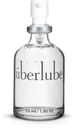 Überlube Luxury Lubricant Überlube GFPFpHLS | 4.9 | Silicone-Based | Extended sessions, Anal play | |
#3 Aloe Cadabra Natural Aloe Cadabra GFPFpHLS | 4.8 | Water-Based | Natural lifestyle, Sensitive skin | |
#4 Sutil Luxe Body Glide Sutil GFPFpHLS | 4.8 | Water-Based | Luxury seekers, Ultra-premium experience | |
#5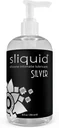 Sliquid Silver Silicone Sliquid GFPFpHLS | 4.8 | Silicone-Based | Clean-ingredient focus, Sensitive skin |
How Diabetes Affects Intimate Health
Blood Sugar and Vaginal Environment
High blood glucose levels can cause glucose to appear in vaginal secretions, creating a sugar-rich environment that encourages yeast overgrowth. This is why people with diabetes experience yeast infections at rates 2-3 times higher than non-diabetics.
Reduced Natural Lubrication
Diabetes can affect nerve function and blood flow to intimate areas, reducing natural lubrication production. Many women with diabetes report significantly increased [vaginal dryness](/guide/best-lube-for-dryness), particularly when blood sugar is poorly controlled.
Compromised Immune Response
Elevated blood sugar impairs the immune system's ability to fight infections. This means that small irritations from unsuitable lubricants can more easily develop into full infections that are harder to clear.
Slower Tissue Healing
Diabetes affects circulation and healing. Any micro-tears or irritation caused by friction or reactive ingredients will take longer to heal, increasing the window for infection.
Nerve Sensitivity Changes
Diabetic neuropathy can affect intimate sensation, making it harder to detect when a lubricant is causing irritation until the problem becomes significant.
Hormonal Interactions
Diabetes can affect hormone balance, compounding any existing issues with natural lubrication, particularly during [menopause](/guide/best-lube-for-menopause) or hormonal fluctuations.
Diabetes impacts intimate health through several interconnected mechanisms that make lubricant choice particularly important:
Blood Sugar and Vaginal Environment
High blood glucose levels can cause glucose to appear in vaginal secretions, creating a sugar-rich environment that encourages yeast overgrowth. This is why people with diabetes experience yeast infections at rates 2-3 times higher than non-diabetics.
Reduced Natural Lubrication
Diabetes can affect nerve function and blood flow to intimate areas, reducing natural lubrication production. Many women with diabetes report significantly increased vaginal dryness, particularly when blood sugar is poorly controlled.
Compromised Immune Response
Elevated blood sugar impairs the immune system's ability to fight infections. This means that small irritations from unsuitable lubricants can more easily develop into full infections that are harder to clear.
Slower Tissue Healing
Diabetes affects circulation and healing. Any micro-tears or irritation caused by friction or reactive ingredients will take longer to heal, increasing the window for infection.
Nerve Sensitivity Changes
Diabetic neuropathy can affect intimate sensation, making it harder to detect when a lubricant is causing irritation until the problem becomes significant.
Hormonal Interactions
Diabetes can affect hormone balance, compounding any existing issues with natural lubrication, particularly during menopause or hormonal fluctuations.
The Science: Why Ingredient Choice Matters for Diabetics
Understanding the specific biochemical pathways through which lubricant ingredients interact with diabetic physiology helps explain why certain formulas are safer than others:
1Glycerin and the Candida Problem
Glycerin (glycerol) is a three-carbon sugar alcohol commonly used in lubricants for its humectant (moisture-retaining) properties. While the amount absorbed systemically through vaginal tissue is generally too small to meaningfully affect blood glucose readings, the local effect is dramatic. Candida albicans and Candida glabrata—the two most common yeast species causing vulvovaginal candidiasis—can metabolize glycerol as a primary carbon source. In a vaginal environment already enriched with glucose from diabetic hyperglycemia, adding glycerol creates a substrate-rich buffet for yeast proliferation. Research published in *Antimicrobial Agents and Chemotherapy* demonstrates that glycerol concentrations as low as 2% can stimulate Candida biofilm formation—and many lubricants contain glycerin at 10-20% concentration.
2Osmolality and Diabetic Tissue Vulnerability
People with diabetes often have compromised tissue integrity due to microvascular damage (microangiopathy), which affects the small blood vessels supplying vaginal and penile epithelium. High osmolality lubricants (which draw water from cells through osmotic pressure) cause additional cellular stress on already-compromised tissue. The WHO recommends lubricant osmolality below 1200 mOsm/kg, but many popular brands exceed 3000 mOsm/kg. For diabetics with fragile tissue, iso-osmotic formulas (280-380 mOsm/kg) are strongly preferred.
3[pH Balance](/guide/best-lube-for-ph-sensitive) and the Diabetic Microbiome
Diabetics are inherently more prone to vaginal pH disruption because elevated glucose suppresses Lactobacillus bacteria, which are responsible for maintaining acidic vaginal pH (3.8-4.5). Using lubricants with appropriate pH helps compensate for the body's diminished ability to self-regulate vaginal acidity, providing external support to a system already under metabolic stress.
4Preservative Sensitivities and Neuropathy
Diabetes can increase sensitivity to certain preservatives through two mechanisms: (1) compromised circulation means chemical irritants remain in contact with tissue longer before being cleared, and (2) diabetic neuropathy can mask early warning signs of irritation, allowing damage to progress before detection. Parabens and chlorhexidine may be more likely to cause cumulative reactions in diabetic individuals, making minimal-ingredient formulas particularly important.
5Silicone: The Diabetic Advantage
Silicone-based lubricants offer particular benefits for diabetics that go beyond simple sugar avoidance: they contain zero sugar derivatives of any kind, have extremely minimal ingredient lists (typically 2-4 ingredients), don't absorb into tissue (remaining entirely on the surface), create a protective barrier against micro-tears, are completely inert and won't interact with diabetic medications, and maintain their properties without breaking down into byproducts that could affect the vaginal ecosystem.
6Advanced Glycation End Products (AGEs)
An emerging area of research involves Advanced Glycation End Products—molecules formed when sugars bond with proteins or lipids without enzymatic control. AGEs accumulate in diabetic tissues and contribute to stiffness, reduced elasticity, and impaired healing. While no lubricant can reverse AGE accumulation, avoiding sugar-containing lubricants prevents adding exogenous sugars that could contribute to localized AGE formation in intimate tissues.
Complete Ingredient Guide
Ingredient Safety Chart for Diabetics
Purified Water
Base ingredient, completely safe for diabetics
Dimethicone (Silicone)
Sugar-free, hypoallergenic, doesn't feed yeast
Hyaluronic Acid
Excellent hydration without sugar content
Aloe Vera
Soothing and healing, no impact on blood sugar
Vitamin E
Healing properties, no glycemic impact
Carrageenan
Seaweed thickener, may have antiviral properties
Xanthan Gum
Generally safe, fermentation-derived
Citric Acid
pH adjuster, can irritate very sensitive tissue
Glycerin
Sugar alcohol that feeds yeast - major concern for diabetics
Sorbitol
Sugar alcohol similar to glycerin, can feed yeast
Propylene Glycol
Can contribute to yeast overgrowth
Flavoring/Sweeteners
Often contain sugars that feed yeast
Parabens
Increased sensitivity risk for diabetics
Lubricant Types Compared
Lubricant Types for People with Diabetes
Silicone-Based
Sensitivity Rating
5/5 for sensitive skin
Pros:
- + Zero sugar content
- + Very few ingredients
- + Long-lasting protection
- + Creates protective barrier
- + Won't feed yeast
Cons:
- − Not compatible with silicone toys
- − Requires soap to remove
- − Can stain fabrics
Best for: Diabetics prone to yeast infections, those needing maximum protection
Water-Based (Glycerin-Free)
Sensitivity Rating
4/5 for sensitive skin
Pros:
- + Safe when glycerin-free
- + Compatible with all toys
- + Easy cleanup
- + Many diabetic-safe options
Cons:
- − Must verify glycerin-free
- − May need reapplication
- − Quality varies by brand
Best for: Daily use, toy play, those who prefer easy cleanup
Hybrid
Sensitivity Rating
3/5 for sensitive skin
Pros:
- + Longer-lasting than water-based
- + Often glycerin-free
- + Good moisture retention
Cons:
- − More ingredients to check
- − Varying formulations
- − May contain glycerin
Best for: Those wanting longevity with easier cleanup than silicone
What Diabetics Should Look For in Lubricants
Glycerin-Free Formula
This is the single most critical factor for diabetics selecting a lubricant. Glycerin (glycerol) serves as a carbon source for Candida yeast, and in a vaginal environment already enriched with glucose from hyperglycemia, adding glycerol dramatically amplifies infection risk. Always verify 'glycerin-free' on the label and cross-check the ingredient list—some products marketed as 'natural' or 'organic' contain glycerin. Common label aliases include glycerol, glycerine, and vegetable glycerin.
Sugar-Free Certification
Beyond glycerin, scrutinize ingredient lists for other sugar-based compounds: sorbitol, maltitol, xylitol, mannitol, honey, agave, sucralose, and natural sweeteners. Even 'natural' products may contain plant-derived sugars that serve as Candida nutrients. For diabetics, any exogenous sugar in the vaginal environment compounds the already-elevated endogenous glucose, creating compounded infection risk.
Low Osmolality
Diabetic tissue is more susceptible to osmotic damage. Look for iso-osmotic or low osmolality formulas (under 380 mOsm/kg ideally, under 1200 mOsm/kg at minimum).
pH Balanced (3.8-4.5)
Maintaining proper vaginal pH is crucial for preventing infections, especially important for diabetics who are already infection-prone.
Minimal Ingredients
Fewer ingredients mean fewer potential irritants. Simple formulas with 5-8 ingredients reduce the chance of reactions that could lead to infections.
Antifungal Properties
Some lubricants contain ingredients like carrageenan that may have antimicrobial properties. While not a treatment, these can provide additional protection.
What Diabetics Should Avoid
- Glycerin and glycerol in all forms including vegetable glycerin (serves as primary carbon source for Candida, compounding existing diabetic yeast susceptibility)
- Sorbitol, maltitol, xylitol, and other sugar alcohols (metabolized by yeast similarly to glycerol)
- Flavored lubricants (almost universally contain sugars, sweeteners, or sugar alcohols that feed yeast—even 'sugar-free' flavored options often use problematic alternatives)
- Warming lubricants containing capsaicin or menthol derivatives (can mask early infection symptoms that diabetics already struggle to detect due to neuropathy)
- Propylene glycol (contributes to both yeast overgrowth and tissue osmotic stress)
- High osmolality products exceeding 1200 mOsm/kg (cause cellular dehydration in already-compromised diabetic tissue)
- Products with long ingredient lists exceeding 10 components (each additional ingredient increases reaction probability)
- Lubricants containing honey, agave nectar, or natural sweeteners (these are sugars regardless of marketing)
- Anything that causes even mild irritation—diabetic immune compromise means minor irritation escalates faster
- Oil-based products including coconut oil (trap bacteria against tissue surfaces and create anaerobic conditions favoring yeast and bacterial overgrowth)
Common Myths Debunked
Diabetes & Lubricant Myths Debunked
Natural or organic lubricants are automatically safe for diabetics
Many natural lubricants contain glycerin, honey, or other sugars that are problematic for diabetics. 'Natural' doesn't mean sugar-free. Always check ingredients regardless of marketing claims.
A small amount of glycerin won't affect diabetics
While glycerin may not significantly impact systemic blood sugar, it creates a localized sugar-rich environment that feeds yeast. For diabetics already prone to yeast infections, any glycerin increases risk.
If you don't have yeast infections, you can use any lubricant
Even if you haven't had a yeast infection, using glycerin-containing lubricants increases your risk. Prevention is easier than treatment, especially for diabetics where infections can be more severe and harder to clear.
Silicone lubricants are too difficult to clean for diabetics
While silicone requires soap to remove, the extra cleanup effort is worthwhile for many diabetics due to silicone's complete lack of sugar content and excellent protective properties.
Diabetic dryness will improve if blood sugar is controlled
While better blood sugar control helps, many diabetics experience persistent dryness even with good management due to nerve and circulation changes. Quality lubricant remains important.
Safe Testing Protocol for Diabetics
Diabetics should be especially methodical when testing new lubricants due to increased infection susceptibility and potentially delayed symptom recognition from neuropathy. This extended protocol accounts for the unique physiological considerations of diabetes:
Step 1: Optimize Conditions Before Testing
Test during a period of stable blood sugar control (A1C below 7.5% ideally). Elevated glucose levels independently increase infection risk, making it impossible to determine whether a reaction stems from the lubricant or underlying metabolic instability. Check your most recent fasting glucose and aim for testing during a period of consistent readings.
Step 2: Extended Patch Test (Days 1-2)
Apply a small amount to inner forearm and leave for 48 hours—not the standard 24 hours used for non-diabetic testing. Diabetics may have delayed inflammatory responses due to altered immune function and compromised microcirculation. Monitor for redness, swelling, itching, or any skin change.
Step 3: Inner Thigh Test (Days 3-4)
Test on inner thigh for 48 hours, monitoring for any redness, itching, warmth, or irritation. The inner thigh more closely mimics intimate tissue in terms of skin thickness, moisture level, and microbial environment. This intermediate step catches reactions that may not manifest on forearm skin.
Step 4: External Genital Test (Days 5-7)
Apply externally to vulvar or penile skin and monitor for 48-72 hours. Watch specifically for any signs of yeast development (itching, white discharge changes, redness, burning sensation). For diabetics, Candida can establish a foothold quickly—even 48 hours of exposure to an incompatible product can trigger symptoms.
Step 5: Full Use Trial with Monitoring
If all previous tests pass, try the product for intended use. Monitor closely for the following 7-10 days for any delayed reactions, infection signs, or changes in discharge, odor, or comfort. Keep a brief daily log noting any symptoms, blood sugar levels, and product used.
Critical Guidelines for Diabetic Testing:
- Test only one product at a time—never introduce multiple new products simultaneously - Keep detailed notes including blood sugar levels, insulin doses, and any dietary changes during testing - Wait at least 10 days between testing different products to allow complete immune response cycles - Stop immediately at the first sign of yeast symptoms—diabetic yeast infections escalate faster than non-diabetic cases - Have antifungal treatment (fluconazole prescription or OTC miconazole) readily available before starting any new product trial - If you have diabetic neuropathy, ask a partner to help monitor for visible signs of irritation you may not feel - Never test new products when your blood sugar has been erratic, during illness, or when taking antibiotics (which independently increase Candida risk) - Consider testing during a period when you can see your healthcare provider quickly if problems arise
When Diabetics Should Seek Medical Care
Seek prompt care if you experience
Discuss with your healthcare provider
Annual discussions should include
People with diabetes should have a lower threshold for seeking medical attention regarding intimate health. The combination of immune compromise, impaired circulation, and potential neuropathy means that intimate health issues can escalate faster and with less warning than in non-diabetic individuals. Establishing a proactive relationship with your healthcare provider regarding intimate health—ideally before problems arise—is one of the most impactful preventive steps a diabetic can take.
**Understanding Why Diabetics Need Earlier Intervention** In non-diabetic individuals, the immune system typically contains minor vaginal infections within 48-72 hours. For diabetics, the elevated glucose environment, impaired neutrophil function, and compromised mucosal immunity mean that infections establish more quickly, become more severe, and are harder to eradicate. What might be a self-limiting irritation in a non-diabetic person can become a full-blown infection requiring prescription treatment in a diabetic patient. This biological reality—not anxiety or overcaution—is why earlier medical consultation is recommended.
**The Neuropathy Complication** Diabetic peripheral neuropathy adds another layer of concern. Up to 50% of people with diabetes develop some degree of neuropathy, which can reduce sensation in genital tissue. This means you may not feel early warning signs of irritation, infection, or tissue damage that would normally prompt you to stop activity and seek care. Partners can play a valuable role by watching for visible signs (redness, swelling, unusual discharge) that the person with neuropathy may not feel.
Seek prompt care if you experience
- Signs of yeast infection (itching, thick discharge, redness)
- [Bacterial vaginosis](/guide/best-lube-for-bv-prone) symptoms (fishy odor, thin discharge)
- Any persistent irritation lasting more than 24 hours
- Urinary symptoms after lubricant use
- Sores or lesions in intimate areas
- Fever along with intimate symptoms
Discuss with your healthcare provider
- Best lubricant recommendations for your specific diabetes management
- Whether your diabetes medications might affect intimate health
- If frequent yeast infections occur despite using appropriate lubricants
- Menopausal symptoms compounding diabetic dryness
- Any concerns about intimate health and diabetes interaction
Annual discussions should include
- Review of any intimate health issues
- Assessment of neuropathy affecting sensation
- Circulation evaluation
- Updated lubricant recommendations based on current health status
Expert Tip
For diabetics, silicone-based lubricants are often the safest choice due to their complete lack of sugars and minimal ingredient lists. If you prefer water-based, always triple-check that it's glycerin-free. Consider keeping a dedicated 'diabetes-safe' lubricant rather than sharing with partners who might introduce other products.
Related Guides & Resources
Frequently Asked Questions
Explore All 37+ Lubricant Guides
Browse our complete buyer's guide hub with guides organized by health conditions, activities, relationships, and preferences.
View Complete Buyer's GuideRelated Guides
Best Lube for Dryness
Long-lasting, moisturizing formulas that restore comfort
Best Lube for Sensitive Skin
Gentle, hypoallergenic formulas that won't irritate
Best Lube for Yeast Infection Prevention
Glycerin-free, pH-balanced formulas that support vaginal health
Best Lube for Toys
Safe, compatible formulas for every toy material
Best Lube for Menopause
Restore comfort and pleasure during hormonal changes
Best Lube for Anal
Thick, cushioning formulas for comfort and safety