Lubricant and Vaginal Health: What Every Woman Should Know
The lubricant you choose directly impacts vaginal health. Learn how to select products that support—not harm—your body's natural balance.
 Dr. Sarah ChenMD, OB-GYN, FACOG
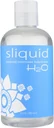
Sliquid
Sliquid H2O OriginalA plant-derived water-based glide that stays slick without glycerin, parabens, or sticky residue — safe with every condom material and every toy in your drawer.
The Complete Guide
Before discussing lubricants, it's crucial to understand what makes the vaginal environment unique and why it requires special consideration.
The vagina hosts a complex community of microorganisms—primarily bacteria—that maintain health through several mechanisms:
Lactobacillus Dominance: Healthy vaginal flora is dominated by Lactobacillus species. These beneficial bacteria:
- Produce lactic acid that maintains acidic pH
- Create hydrogen peroxide that kills pathogens
- Compete with harmful organisms for resources
- Form a protective layer on vaginal walls
- Signal the immune system to respond appropriately
When this bacterial balance is disrupted, opportunistic organisms can overgrow, leading to bacterial vaginosis, yeast infections, or other conditions.
The Acidic Environment: The vagina maintains a pH between 3.8-4.5—more acidic than lemon juice. This acidity:
- Kills or inhibits most pathogenic bacteria
- Creates inhospitable conditions for harmful organisms
- Supports beneficial Lactobacillus survival
- Maintains healthy discharge consistency
- Protects against STI transmission (partially)
For comparison, the rectum is nearly neutral (pH 7-8), and semen is slightly alkaline (pH 7.2-8). Understanding these differences helps explain why vaginal products require specific formulations.
Several factors can upset the delicate vaginal ecosystem:
External Products:
- High pH products (douches, soaps, some lubricants)
- High osmolality lubricants (draw moisture from tissues)
- Glycerin-containing products (feed yeast)
- Antibacterial agents (kill beneficial bacteria too)
- Fragrances and artificial chemicals
Physiological Factors:
- Hormonal fluctuations (menstrual cycle, menopause, pregnancy)
- Sexual activity (semen temporarily raises pH)
- Antibiotic use (kills beneficial bacteria)
- Stress and immune function changes
- Medications affecting moisture
Lifestyle Factors:
- Non-breathable underwear
- Tight clothing
- Poor hygiene or over-hygiene
- Inadequate hydration
Learn more about maintaining vaginal health during menopause or managing chronic dryness.
Sliquid
Sliquid H2O Original
A plant-derived water-based glide that stays slick without glycerin, parabens, or sticky residue — safe with every condom material and every toy in your drawer.
Frequently Asked Questions
Related Buying Guides
Related Articles
Find Your Perfect Lubricant
Put this knowledge to use! Take our quiz for personalized product recommendations.
Take the Quiz