Menopause and Vaginal Dryness: Finding Relief with the Right Products
Vaginal dryness affects most menopausal women, but it doesn't have to impact your quality of life. Discover effective solutions and product recommendations.
 Dr. Sarah ChenMD, OB-GYN, FACOG
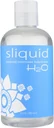
Sliquid
Sliquid H2O OriginalA plant-derived water-based glide that stays slick without glycerin, parabens, or sticky residue — safe with every condom material and every toy in your drawer.
The Complete Guide
During menopause, declining estrogen levels cause significant changes to vaginal tissue that go far beyond simple dryness:
Structural changes:
- Thinning of vaginal walls (vaginal atrophy or atrophic vaginitis)
- Reduced blood flow to the genital area
- Decreased natural lubrication production
- Changes in pH (becomes less acidic, increasing infection risk)
- Loss of elasticity in vaginal tissues
- Shortening of the vaginal canal over time
- Changes in labia and external genital tissue
Cellular changes:
- Decreased collagen production in vaginal walls
- Reduced mucus production from cervical glands
- Thinning of the epithelial (surface) layer
- Decreased glycogen in vaginal cells
- Changes in vaginal microbiome composition
For more details on age-related changes, see our guide for older couples.
Understanding when changes occur helps you prepare:
Perimenopause (40s-early 50s):
- Symptoms may come and go with hormonal fluctuations
- Dryness often coincides with other perimenopausal symptoms
- May notice changes in natural lubrication during arousal
- Good time to establish lubricant use habits
Early Menopause (1-5 years post-menopause):
- More consistent dryness symptoms
- Tissue changes become more noticeable
- May experience discomfort even without sexual activity
- Time to consider vaginal moisturizers in addition to lubricants
Later Postmenopause (5+ years):
- Significant tissue changes often present
- Regular maintenance products typically needed
- May require medical interventions alongside OTC products
- Comfort during intimacy requires consistent product use
Vaginal atrophy isn't just about comfort—it has health implications:
Increased infection risk:
- Higher vaginal pH creates hospitable environment for pathogens
- Thinned tissue is more susceptible to microscopic tears
- UTIs become more common due to tissue changes
- Yeast and bacterial infections may increase
Impact on urinary health:
- Urethral tissue also thins with estrogen decline
- Increased urinary frequency and urgency
- Higher UTI susceptibility
- Possible stress incontinence
For related guidance, see our articles on yeast infection prevention and BV-prone formulas.
Sliquid
Sliquid H2O Original
A plant-derived water-based glide that stays slick without glycerin, parabens, or sticky residue — safe with every condom material and every toy in your drawer.
Frequently Asked Questions
Related Buying Guides
Related Articles
Find Your Perfect Lubricant
Put this knowledge to use! Take our quiz for personalized product recommendations.
Take the Quiz