Lubricant and Fertility: What You Need to Know When Trying to Conceive
Not all lubricants are created equal when you're trying to get pregnant. Learn which products support sperm health and which ones to avoid.
 Dr. Sarah ChenMD, OB-GYN, FACOG
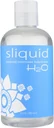
Sliquid
Sliquid H2O OriginalA plant-derived water-based glide that stays slick without glycerin, parabens, or sticky residue — safe with every condom material and every toy in your drawer.
The Complete Guide
Understanding why lubricant matters for fertility requires examining how sperm function and what environmental factors influence their journey to the egg.
Sperm cells are remarkably sensitive to their environment. For successful fertilization, sperm must accomplish several critical tasks:
Survival Through the Journey: After ejaculation, sperm face a challenging trek through the vaginal canal, cervical mucus, uterus, and fallopian tubes. This journey takes hours, and conditions along the way dramatically affect survival rates. Any lubricant that shortens survival time reduces the window for fertilization.
Progressive Motility: Sperm must swim progressively toward the egg—they can't be passive. Motility is often the factor most affected by lubricant choice. Studies show some lubricants reduce progressive motility by over 90% within 30 minutes of contact.
DNA Integrity: Sperm carry half the genetic material for the future embryo. Damage to DNA affects embryo development and pregnancy viability. Some lubricant ingredients cause oxidative stress that damages sperm DNA, potentially affecting not just conception but also pregnancy outcomes.
Capacitation Process: Before sperm can fertilize an egg, they must undergo biochemical changes called capacitation. This process is sensitive to pH and chemical environment, and lubricants that alter these conditions can prevent capacitation from occurring properly.
Standard lubricants—those designed for comfort without fertility in mind—create a hostile environment for sperm through several mechanisms:
Osmolality Damage: Many lubricants are hyperosmolar (more concentrated than body fluids). When sperm encounter these products, osmotic pressure draws water out of sperm cells, causing cell shrinkage, membrane damage, reduced or eliminated motility, and cell death in severe cases. Research published in Fertility and Sterility showed that some popular lubricants reduced sperm motility by 60-100% within 30 minutes of contact. See our complete lubricant guide for more on ingredient science.
pH Disruption: The vaginal environment is acidic (pH 3.5-4.5), which protects against infection but is hostile to sperm. Cervical mucus around ovulation becomes more alkaline (pH 7-8), creating a sperm-friendly pathway. Lubricants with acidic pH maintain the hostile environment rather than providing the neutral-to-alkaline conditions sperm need. Proper pH balance is critical for conception.
Toxic Ingredients: Some lubricant ingredients directly harm sperm:
- Glycerin: Creates osmotic stress and feeds vaginal yeast
- Propylene glycol: Toxic to sperm at concentrations found in many products
- Parabens: May have estrogenic effects affecting sperm function
- Chlorhexidine: Spermicidal at certain concentrations
- Nonoxynol-9: Specifically designed to kill sperm (avoid entirely when TTC)
Viscosity Issues: Even without toxic ingredients, very thick lubricants create physical barriers that slow sperm passage through the vaginal canal and cervix.
Multiple peer-reviewed studies have examined lubricant effects on sperm:
Landmark 2014 Study Findings: A comprehensive study testing multiple commercial lubricants found dramatic differences:
- K-Y Jelly: Reduced sperm motility by 95% after 30 minutes
- Astroglide: Reduced sperm motility by 89%
- Replens: Reduced sperm motility by 60%
- Pre-Seed: Reduced sperm motility by only 2%
World Health Organization Guidelines: The WHO has recognized lubricant toxicity to sperm as a clinical concern, recommending that couples trying to conceive use specifically formulated fertility lubricants.
Time-Dependent Effects: Research shows sperm damage from lubricants is often time-dependent but rapid. Even brief exposure during intercourse can affect sperm that remain in the vaginal vault for hours afterward. Since conception requires sperm survival for extended periods, any reduction in viability matters.
Sliquid
Sliquid H2O Original
A plant-derived water-based glide that stays slick without glycerin, parabens, or sticky residue — safe with every condom material and every toy in your drawer.
Frequently Asked Questions
Related Buying Guides
Related Articles
Find Your Perfect Lubricant
Put this knowledge to use! Take our quiz for personalized product recommendations.
Take the Quiz