Best Lubricants for Peyronie's Disease
Cushioning formulas for comfortable intimacy with penile curvature
 Dr. Sarah ChenMD, OB-GYN, FACOG
Peyronie's disease causes fibrous scar tissue (plaque) that results in curved, sometimes painful erections. Affecting an estimated 6-10% of men—with some studies suggesting rates up to 13%—this condition can significantly impact intimate comfort for both the affected individual and their partner. The right lubricant provides cushioning and reduces friction, making intimacy more comfortable and enjoyable despite the challenges of penile curvature.
Peyronie's disease causes fibrous scar tissue (plaque) that results in curved, sometimes painful erections. Affecting an estimated 6-10% of men—with some studies suggesting rates up to 13%—this condition can significantly impact intimate comfort for both the affected individual and their partner. The right lubricant provides cushioning and reduces friction, making intimacy more comfortable and enjoyable despite the challenges of penile curvature.
Peyronie's disease develops in two phases: the acute (inflammatory) phase, which typically lasts 6-18 months and involves active plaque formation with potential pain, and the chronic (stable) phase, where the plaque has matured and curvature has stabilized. Lubricant needs differ somewhat between these phases, and understanding your current phase helps optimize your choices.
The emotional impact of Peyronie's cannot be overstated. Studies show that up to 48% of men with Peyronie's experience depressive symptoms, and many report relationship strain. Quality lubricant—while not a cure—is one of the most practical tools for maintaining comfortable intimacy and preserving intimate connection during treatment.
This comprehensive guide helps men with Peyronie's and their partners find lubricants that support comfortable, pleasurable intimacy despite penile curvature. We examine how curvature affects friction patterns, analyze which lubricant properties matter most, discuss strategies for different curvature directions, and provide guidance for both the acute and chronic phases of the disease.
**Why Lubricant Is Essential for Peyronie's** - Curvature changes the normal angle of penetration, creating friction in unexpected areas - Both partners experience altered friction patterns that can cause discomfort - Position adjustments extend intimate sessions, requiring longer-lasting formulas - Plaque areas may be tender and benefit from cushioning protection - Adequate lubrication helps prevent micro-trauma that could worsen scar tissue - Reducing friction helps both partners focus on pleasure rather than discomfort
**A Note on Medical Treatment** This guide addresses lubricant selection—not Peyronie's treatment. If you suspect you have Peyronie's disease, consult a urologist for proper diagnosis and treatment options, which may include oral medications, injections (Xiaflex), traction therapy, or surgery. Quality lubricant complements medical treatment but does not replace it.
**Related Guides for Male Sexual Health** Explore our erectile dysfunction guide, older couples intimacy, couples guide, and sensitive skin formulas. For product types, browse our silicone-based lubricants, water-based options, and hybrid lubricants. Related guides include massage lubricants and condom compatibility. Visit our buyers guide, ingredient guide, brand comparison, or take our quiz. Also see our natural lubricant options, vaginismus guide, diabetes and sexual health, and our complete product catalog.
Recommended Lubricant Types
Based on this guide, these lubricant categories are most relevant to your needs:
Our Top Picks for Peyronie's Disease
Expert-selected products that meet these specific needs
| Product | Score | Type | Best For | |
|---|---|---|---|---|
#1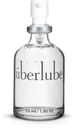 Überlube Luxury Lubricant Überlube GFPFpHLS | 4.9 | Silicone-Based | Extended sessions, Anal play | |
#2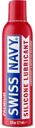 Swiss Navy Premium Silicone Swiss Navy GFPFpHLS | 4.7 | Silicone-Based | Everyday use, Budget-conscious buyers | |
#3 pjur ORIGINAL Bodyglide pjur GFPFpHLS | 4.8 | Silicone-Based | Marathon sessions, Anal intimacy | |
#4 Gun Oil Silicone Lubricant Gun Oil GFPFpHLS | 4.8 | Silicone-Based | Anal play, Extended sessions | |
#5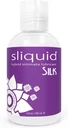 Sliquid Silk Hybrid Sliquid GFPFpHLS | 4.9 | Hybrid | Extended sessions, Toy use |
Peyronie's Disease and Lubricant Needs
How Peyronie's Develops
Peyronie's disease involves the formation of fibrous plaque within the tunica albuginea—the tough, elastic membrane surrounding the erectile chambers of the penis. This plaque:
How Peyronie's Affects Intimacy
The physical changes from Peyronie's create multiple challenges that quality lubricant helps address:
Curvature changes angle of penetration
Depending on the direction of curvature (dorsal, ventral, lateral), the penis contacts vaginal or anal walls at unusual angles, creating concentrated friction points rather than distributed contact
Friction patterns differ from typical
Areas that normally glide smoothly may experience increased resistance, while other areas have reduced contact. This uneven friction can cause discomfort for both partners
Some positions become uncomfortable or impossible
Severe curvature (>30 degrees) may make certain positions painful. Position changes during intimacy require lubricant that lasts through adjustments
Plaque area may be sensitive
The plaque itself and surrounding tissue can be tender, especially during the acute phase. A cushioning lubricant barrier provides protection
Erection quality may be affected
Reduced rigidity distal to the plaque (the area beyond the curve) may affect penetration, making lubricant's friction reduction even more important
Psychological factors affect arousal
Anxiety about pain, appearance, and partner satisfaction can reduce arousal and natural lubrication responses in partners
Curvature Direction Matters
Different curvature directions create different lubricant and position needs:
Dorsal curvature (upward bend)
Most common type. May create excess pressure on the anterior vaginal wall. Extra lubricant needed on the upper shaft
Ventral curvature (downward bend)
Creates pressure on the posterior vaginal wall. May benefit from positions where this pressure is reduced
Lateral curvature (sideways bend)
Creates asymmetric friction. Ensure lubricant coverage is generous on the side experiencing more contact
Complex curvature (multiple directions)
May involve both bending and twisting. Maximum lubricant coverage is essential
Acute vs. Chronic Phase Needs
-
Acute phase
Plaque is actively forming, pain is common, curvature may be changing. Use maximum cushioning, avoid anything that could irritate the plaque area. Some men experience pain during erection regardless of activity
Chronic phase
Plaque has stabilized, pain usually resolves, curvature is fixed. Lubricant focus shifts to friction management and position comfort
Partner-Specific Considerations
Peyronie's affects partners too:
Peyronie's disease creates specific and often misunderstood challenges for intimate lubricant selection. Understanding the condition's mechanics helps explain why certain products work better than others.
How Peyronie's Develops
Peyronie's disease involves the formation of fibrous plaque within the tunica albuginea—the tough, elastic membrane surrounding the erectile chambers of the penis. This plaque:
- Prevents normal expansion of the affected area during erection - Causes the penis to bend toward the plaque (the shortened side) - May create an hourglass deformity or indentation at the plaque site - Can affect erectile function beyond just curvature - May cause shortening of the penis
How Peyronie's Affects Intimacy
The physical changes from Peyronie's create multiple challenges that quality lubricant helps address:
- **Curvature changes angle of penetration**: Depending on the direction of curvature (dorsal, ventral, lateral), the penis contacts vaginal or anal walls at unusual angles, creating concentrated friction points rather than distributed contact - **Friction patterns differ from typical**: Areas that normally glide smoothly may experience increased resistance, while other areas have reduced contact. This uneven friction can cause discomfort for both partners - **Some positions become uncomfortable or impossible**: Severe curvature (>30 degrees) may make certain positions painful. Position changes during intimacy require lubricant that lasts through adjustments - **Plaque area may be sensitive**: The plaque itself and surrounding tissue can be tender, especially during the acute phase. A cushioning lubricant barrier provides protection - **Erection quality may be affected**: Reduced rigidity distal to the plaque (the area beyond the curve) may affect penetration, making lubricant's friction reduction even more important - **Psychological factors affect arousal**: Anxiety about pain, appearance, and partner satisfaction can reduce arousal and natural lubrication responses in partners
Curvature Direction Matters
Different curvature directions create different lubricant and position needs:
- **Dorsal curvature (upward bend)**: Most common type. May create excess pressure on the anterior vaginal wall. Extra lubricant needed on the upper shaft - **Ventral curvature (downward bend)**: Creates pressure on the posterior vaginal wall. May benefit from positions where this pressure is reduced - **Lateral curvature (sideways bend)**: Creates asymmetric friction. Ensure lubricant coverage is generous on the side experiencing more contact - **Complex curvature (multiple directions)**: May involve both bending and twisting. Maximum lubricant coverage is essential
Acute vs. Chronic Phase Needs
- **Acute phase**: Plaque is actively forming, pain is common, curvature may be changing. Use maximum cushioning, avoid anything that could irritate the plaque area. Some men experience pain during erection regardless of activity - **Chronic phase**: Plaque has stabilized, pain usually resolves, curvature is fixed. Lubricant focus shifts to friction management and position comfort
Partner-Specific Considerations
Peyronie's affects partners too: - Unusual angles can cause partner discomfort, especially with significant curvature - Partners may experience friction burns or soreness in unexpected areas - Anxiety about causing pain can affect both partners' arousal - Partners benefit from generous lubricant application as much as the affected individual
The Science of Friction, Curvature, and Lubricants
Understanding the biomechanics of how penile curvature affects intimate friction helps explain why lubricant selection is so important for Peyronie's management and why certain products work better than others.
1Friction Physics and Curvature
In normal anatomy, the cylindrical shape of the penis distributes friction relatively evenly during penetration. Peyronie's curvature fundamentally changes this distribution:
2Concentrated pressure points
The convex (outer curve) side experiences reduced contact, while the concave (inner curve) side experiences increased pressure. This creates localized friction "hot spots" that require more cushioning
3Shear forces
Curvature introduces shear (sideways) forces in addition to normal friction. These forces are more likely to cause tissue micro-tears in both partners
4Variable contact angles
As the curvature angle changes along the shaft, so does the contact angle with the partner's tissue. This means different areas need different levels of protection
5Why [Silicone Lubricants](/best-silicone-based-lubricants) Excel for Peyronie's
Silicone lubricants dominate our recommendations for Peyronie's for specific scientific reasons:
6Sustained lubricity
Silicone molecules don't evaporate or absorb into tissue, maintaining their friction-reducing properties throughout the entire intimate session. Water-based products lose effectiveness as water evaporates
7Shear-thinning behavior
Quality silicone lubricants become more slippery under pressure—exactly the property needed at concentrated friction points
8Barrier formation
Silicone creates a molecular barrier on tissue surfaces, protecting against micro-tears caused by unusual friction angles
9Consistency
Unlike water-based products that change consistency as they dry, silicone maintains uniform performance throughout use
10Plaque Biomechanics
The fibrous plaque in Peyronie's disease consists of collagen and fibrin deposits within the tunica albuginea:
11Erectile Hemodynamics and Lubrication
Peyronie's can affect blood flow dynamics during erection:
12The Micro-Trauma Cycle
One of the leading theories about Peyronie's progression involves repeated micro-trauma:
13Research on Lubricant and Peyronie's Management
While no randomized controlled trials have studied lubricant specifically for Peyronie's, urological guidelines consistently recommend adequate lubrication as part of intimacy management. The American Urological Association's guidelines for Peyronie's disease acknowledge that maintaining intimate function and comfort is a key treatment goal.
Lubricant Types Compared
Lubricant Types for Peyronie's
Silicone-Based
Sensitivity Rating
5/5 for sensitive skin
Pros:
- + Exceptional lasting power—rarely needs reapplication
- + Excellent cushioning and friction reduction
- + No reapplication needed during position changes
- + Minimal ingredients reduce irritation risk
- + Won't irritate plaque area
Cons:
- − Not compatible with silicone toys
- − Requires soap for cleanup
- − May stain some fabrics
Best for: Most men with Peyronie's disease—the gold standard for curvature management
Thick Water-Based Gel
Sensitivity Rating
4/5 for sensitive skin
Pros:
- + Good cushioning from gel consistency
- + Easy cleanup with water
- + Compatible with all toys and condoms
- + Can be reapplied without residue buildup
Cons:
- − May need reapplication during extended sessions
- − Some contain irritating ingredients
Best for: When using silicone toys or when partner prefers water-based cleanup
Hybrid
Sensitivity Rating
4/5 for sensitive skin
Pros:
- + Longer-lasting than pure water-based
- + Better cushioning than thin water-based
- + Easier cleanup than pure silicone
- + Good balance of properties
Cons:
- − Check silicone toy compatibility
- − More ingredients than pure silicone
Best for: Those wanting a balance between lasting power and easy cleanup
What to Look For
Long-Lasting Formula
Curvature often requires position adjustments that extend intimate sessions. Silicone-based lubricants last 3-5x longer than water-based options without reapplication—critical when changing positions would break the flow.
Thick, Cushioning Texture
Thicker formulas provide more cushioning at friction points, protecting both partners from the concentrated pressure that curvature creates. Gel-consistency products are better than thin, watery formulas.
Gentle on Partner
Choose formulas that are comfortable for your partner—glycerin-free, pH-balanced options reduce partner irritation. Remember: unusual friction angles affect your partner's tissue too.
Easy Application
One-hand dispensing bottles (pump tops) make reapplication easier during intimacy without requiring full disengagement. Keep the bottle within arm's reach at all times.
Non-Irritating to Plaque Area
The plaque area and surrounding tissue may be sensitive. Fragrance-free, minimal-ingredient formulas reduce the risk of chemical irritation to already-inflamed tissue.
Compatible with Condoms
If using condoms (which can help reduce friction), ensure your lubricant is compatible. Water-based and silicone-based lubricants work with latex condoms; oil-based products do not.
What to Avoid
- Thin, watery formulas that require constant reapplication and interrupt flow
- Numbing agents (benzocaine, lidocaine) that mask important pain signals
- Products that may irritate your partner's tissue at unusual friction angles
- Warming agents (capsaicin, menthol) that may irritate sensitive plaque areas
- Fragrances and dyes that add unnecessary irritation risk
- Products marketed as 'performance enhancers' with unregulated ingredients
- Desensitizing sprays or creams that prevent feeling pain signals
- Oil-based products if using latex condoms for friction reduction
Common Myths Debunked
Peyronie's and Lubricant Myths
Numbing lubricant will help with Peyronie's discomfort
Numbing products (containing benzocaine or lidocaine) mask pain signals that help you know your limits. Pain during Peyronie's intimacy is your body telling you to adjust—position, angle, or intensity. Discuss pain management with your urologist rather than self-treating with numbing lubricants, which can lead to tissue damage you can't feel.
Peyronie's makes satisfying intimacy impossible
Many men with Peyronie's maintain fulfilling intimate relationships. Studies show that with proper management—including quality lubricant, position modifications, communication, and sometimes medical treatment—most couples adapt successfully. Some even discover positions and techniques they prefer to their pre-Peyronie's routine.
More friction is better because it provides more sensation
For Peyronie's, excess friction is the enemy. It can worsen pain, irritate both partners, and potentially aggravate scar tissue during the acute phase. Generous lubrication reduces harmful friction while still allowing pleasurable sensation. Adequate lubrication actually often improves sensation by allowing smoother, more comfortable movement.
Special 'performance' lubricants can help straighten the curvature
No lubricant can treat Peyronie's disease. Products marketed as performance enhancers, penis straighteners, or curvature reducers are unproven and potentially harmful. Quality lubricant manages comfort during intimacy—treatment requires medical intervention from a qualified urologist.
Only the man with Peyronie's needs lubricant
Both partners benefit equally from generous lubricant use. The unusual friction angles created by curvature can cause irritation, soreness, and micro-tears in the partner's tissue too. Applying lubricant to both partners ensures maximum comfort and reduces the risk of post-intimacy soreness for everyone.
Strategies for Comfortable Intimacy with Peyronie's
Effective lubricant use is one component of a comprehensive approach to maintaining comfortable, satisfying intimacy with Peyronie's disease. Here are evidence-based strategies from urological practice.
Generous Application Protocol
Apply significantly more lubricant than you think you need: 1. Apply liberally to the entire shaft, with extra attention to the inner curve (concave side) where friction concentrates 2. Apply generously to your partner as well—both external and internal lubrication matter 3. The plaque area benefits from a protective layer of lubricant even if it's not a direct contact point 4. Reapply after any position change—movement redistributes lubricant unevenly 5. A good rule: if you're wondering whether you need more, you probably do
Position Strategies by Curvature Direction
Different curvature directions benefit from different approaches:
Dorsal curvature (upward bend):
- Partner-on-top positions often work well, allowing the partner to control angle and depth - Missionary may work with pillow elevation under the partner's hips - Focus lubricant on the upper (dorsal) surface of the shaft
Ventral curvature (downward bend):
- Doggy-style positions may align curvature naturally with vaginal anatomy - Partner-on-top with the partner facing away can work well - Focus lubricant on the underside (ventral) surface
Lateral curvature (sideways bend):
- Side-lying positions often accommodate lateral curves well - Experiment with which side to lie on—curvature direction matters - Apply lubricant generously to both sides due to asymmetric contact
Complex curvature:
- Requires the most experimentation and communication - Maximum lubricant coverage is essential - Consider shorter, more frequent sessions rather than long sessions
Communication Framework
Open, ongoing communication is essential: - Establish a simple signal system: "more lube," "slower," "different angle" - Check in frequently—both partners should feel comfortable speaking up - Discuss what works and what doesn't after each session - Remember that what works one time may not work the next, especially during the acute phase
During the Acute Phase
When Peyronie's is actively developing (first 6-18 months): - Pain during erection is common—don't push through it - Curvature may be changing, so what worked last month may need adjustment - Use maximum lubrication to minimize any mechanical stress - Consider non-penetrative intimacy during periods of significant pain - Consult your urologist about activity recommendations during treatment
During the Chronic Phase
When curvature has stabilized: - Develop a consistent lubricant routine based on your specific curvature - Experiment more freely with positions (curvature won't change) - Focus on optimizing comfort and pleasure for both partners - Consider whether traction therapy or other treatments might improve curvature
For Partners
Partners play a crucial role in comfortable Peyronie's intimacy: - Apply lubricant generously to yourself as well—unusual angles affect your tissue - Communicate openly about what feels comfortable and what doesn't - Don't hesitate to suggest position changes or additional lubricant - Remember that your comfort matters as much as your partner's - Consider attending urologist appointments together for education and support
When to Pause Intimacy
Stop and consult your urologist if: - Pain is severe or worsening - Bleeding occurs during or after intimacy - You notice sudden changes in curvature - Erections become significantly more painful - Your partner experiences persistent pain despite adequate lubrication - You develop an injury during intimacy
Expert Tip
Silicone-based lubricants like Überlube or Swiss Navy Silicone are the gold standard for Peyronie's—they last through position changes, provide excellent cushioning at friction points, and their shear-thinning properties mean they become more slippery under pressure. Apply generously to both partners, paying extra attention to the concave side of the curvature where friction concentrates. Communication with your partner about comfort is essential.
Related Guides & Resources
Best Lube for ED
Managing erectile challenges
Best Lube for Couples
Options for partners
Best Lube for Older Couples
Age-related intimacy support
Best Lube for Sensitive Skin
Gentle formulas
Best Lube for Anal
Long-lasting cushioning options
Best Lube for First-Timers
Comfort-focused guidance
Überlube vs Swiss Navy
Top silicone options compared
Silicone-Based Lubricants
Long-lasting formulas
Hybrid Lubricants
Balanced options
Frequently Asked Questions
Explore All 37+ Lubricant Guides
Browse our complete buyer's guide hub with guides organized by health conditions, activities, relationships, and preferences.
View Complete Buyer's GuideRelated Guides
Best Lube for Older Couples
Long-lasting, gentle formulas for mature intimacy
Best Lube for Couples
Versatile formulas that enhance every intimate moment
Best Lube for Sensitive Skin
Gentle, hypoallergenic formulas that won't irritate
Best Lube for Toys
Safe, compatible formulas for every toy material
Best Lube for Menopause
Restore comfort and pleasure during hormonal changes
Best Lube for Anal
Thick, cushioning formulas for comfort and safety