Lubricant Allergies and Sensitivities: Identifying and Managing Reactions
Experiencing burning, itching, or irritation from lubricants? Learn how to identify triggers, find safe alternatives, and protect your intimate health.
 Dr. Sarah ChenMD, OB-GYN, FACOG
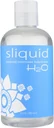
Sliquid
Sliquid H2O OriginalA plant-derived water-based glide that stays slick without glycerin, parabens, or sticky residue — safe with every condom material and every toy in your drawer.
The Complete Guide
Before diving into solutions, understanding what type of reaction you're experiencing helps guide your approach.
True allergies involve the immune system and immunoglobulin E (IgE) antibodies. When your body encounters an allergen, it triggers an immune response that can range from mild to severe.
Characteristics of allergic reactions:
- Often worsen with repeated exposure
- Can cause systemic symptoms beyond the application site
- May involve hives, swelling, difficulty breathing (severe cases)
- Require complete avoidance of the allergen
- Can be confirmed through allergy testing
Common lubricant allergens:
- Latex proteins (in some products, not lubricants themselves)
- Propolis (bee product sometimes in "natural" formulas)
- Certain plant extracts or essential oils
- Chamomile and related botanicals
True lubricant allergies are relatively rare, but when present, they can be serious. If you experience symptoms beyond localized irritation—especially difficulty breathing, facial swelling, or widespread hives—seek immediate medical attention.
More common than true allergies, contact sensitivities involve delayed immune reactions that develop over time.
Characteristics:
- May develop after months or years of problem-free use
- Symptoms appear 24-72 hours after exposure
- Localized to the contact area (though can spread nearby)
- Often produce eczema-like patches
- Can be confirmed through patch testing
Common sensitizing ingredients:
- Fragrances (most common sensitizer in personal care products)
- Preservatives (parabens, chlorhexidine, methylisothiazolinone)
- Propylene glycol
- Lanolin-related compounds
Once sensitized to an ingredient, you'll likely react to it consistently and must avoid it going forward.
The most common type of lubricant reaction is simple irritation—not immune-mediated but caused by an ingredient's direct effect on tissue.
Characteristics:
- Occurs on first or any exposure (doesn't require sensitization)
- Dose-dependent (more product = stronger reaction)
- Immediate or very quick onset
- Resolves when product is removed
- May be tolerated at lower concentrations
Common irritants:
- Glycerin (can cause burning in sensitive individuals)
- Propylene glycol
- High osmolality products
- Warming/cooling agents
- Acids at certain concentrations
Irritant reactions are the most manageable—switching products often solves the problem completely. Learn more about ingredients to avoid for sensitive skin.
Sliquid
Sliquid H2O Original
A plant-derived water-based glide that stays slick without glycerin, parabens, or sticky residue — safe with every condom material and every toy in your drawer.
Frequently Asked Questions
Related Buying Guides
Related Articles
Find Your Perfect Lubricant
Put this knowledge to use! Take our quiz for personalized product recommendations.
Take the Quiz