
Best Budget Lubricants
Quality intimate products that won't break the bank
 Dr. Sarah ChenMD, OB-GYN, FACOG
Good intimate health shouldn't require a premium budget. While some high-end lubricants cost $30 or more per bottle, many excellent options deliver comparable performance at a fraction of the price. The key is knowing what to look for and understanding where budget products cut costs without compromising quality.
Good intimate health shouldn't require a premium budget. While some high-end lubricants cost $30 or more per bottle, many excellent options deliver comparable performance at a fraction of the price. The key is knowing what to look for and understanding where budget products cut costs without compromising quality.
Many people assume that more expensive lubricants are automatically better, but this isn't always true. Price differences often reflect marketing budgets, packaging design, and brand positioning rather than actual formula quality. Some of the most effective, body-safe lubricants on the market are surprisingly affordable.
This guide will help you find quality lubricants under $15 that meet safety standards, perform well, and represent genuine value. We'll show you where budget products can match premium options and where spending more might be worthwhile. Smart shopping starts with understanding what you're actually paying for.
**The Economics of Intimate Wellness** In an era of rising costs for everything from groceries to healthcare, intimate wellness products shouldn't be a luxury that only some can afford. Yet the lubricant market has increasingly split into two tiers: premium products marketed as exclusive lifestyle brands ($25-45 per bottle) and budget options that sometimes sacrifice quality for price ($3-8). Understanding where genuine quality differences exist—versus where you're simply paying for marketing—empowers you to make smart purchasing decisions.
**The Real Cost Analysis** Most people think about lubricant cost as "price per bottle," but the meaningful metric is "cost per use." This changes the value calculation significantly:
*Water-based lubricant*: - Average usage: 1-2 tablespoons per session - $10 bottle (4oz): approximately 15-20 uses = $0.50-0.67 per use - $8 bottle (8oz): approximately 30-40 uses = $0.20-0.27 per use
*Silicone-based lubricant*: - Average usage: 1-2 teaspoons per session (much less needed) - $15 bottle (2oz): approximately 40-60 uses = $0.25-0.38 per use - $20 bottle (4oz): approximately 80-120 uses = $0.17-0.25 per use
*Conclusion*: Silicone lubricant, despite higher upfront cost, often delivers the lowest cost-per-use. This is because silicone doesn't evaporate or absorb, so much less product is needed per session and it rarely requires reapplication.
**What You're Actually Paying For** When you buy a premium lubricant, here's approximately where your money goes: - Raw ingredients: 5-15% of retail price - Manufacturing and quality control: 10-15% - Packaging design and materials: 15-25% - Marketing, advertising, and brand partnerships: 20-35% - Retailer margin: 30-50% - Certifications (organic, vegan, etc.): 2-5%
This means that for a $30 premium lubricant, the actual formula inside might cost $1.50-$4.50 to produce. Meanwhile, a $10 budget product might use $1.00-$2.50 in ingredients. The gap in ingredient quality is often much smaller than the price gap suggests.
**Where Budget Products Genuinely Fall Short** While many budget lubricants offer excellent value, there are areas where cheaper products may compromise: - Higher likelihood of containing glycerin (cheap humectant, but yeast concern) - May use parabens instead of more expensive preservative systems - Less rigorous quality control and batch testing - Ingredient sourcing may prioritize cost over purity - Customer service and satisfaction guarantees are typically limited - Packaging may be less user-friendly (harder to dispense, more likely to leak)
**Related Guides for Smart Shopping** Compare our brand comparison page to find the best value. Explore water-based lubricants (often most affordable), silicone-based options (best per-use value), and natural alternatives. For specific needs, check our sensitive skin guide, couples guide, and condom compatibility guide. Browse our complete product catalog or take our personalized quiz. Visit our buyers guide for comprehensive recommendations.
Recommended Lubricant Types
Based on this guide, these lubricant categories are most relevant to your needs:
Our Top Picks for Best Budget Lubricants
Expert-selected products that meet these specific needs
| Product | Score | Type | Best For | |
|---|---|---|---|---|
#1 pjur ORIGINAL Bodyglide pjur GFPFpHLS | 4.8 | Silicone-Based | Marathon sessions, Anal intimacy | |
#2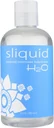 Sliquid H2O Original Sliquid GFPFpHLS | 4.9 | Water-Based | Sensitive skin, Daily use | |
#3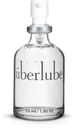 Überlube Luxury Lubricant Überlube GFPFpHLS | 4.9 | Silicone-Based | Extended sessions, Anal play | |
#4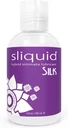 Sliquid Silk Hybrid Sliquid GFPFpHLS | 4.9 | Hybrid | Extended sessions, Toy use | |
#5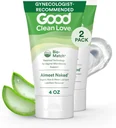 Good Clean Love Almost Naked Good Clean Love GFPFpHLS | 4.8 | Natural & Organic | Sensitive Skin, pH Balance |
Understanding Value vs. Price in Lubricants
What Drives High Prices
- Premium packaging and design (often $5-10 of the cost)
Where Budget Products Save Money
- Simple, functional packaging
Where Budget and Premium Actually Differ
- Ingredient purity (sometimes)
Cost Per Use Calculation
The real value metric is cost per use, not cost per bottle. A $30 silicone lubricant that lasts 50 uses costs $0.60 per use. A $10 water-based that lasts 15 uses costs $0.67 per use. The expensive option may actually be more economical.
When Cheap Is Too Cheap
Extremely cheap lubricants (under $3 for a full-size bottle) may cut costs on quality control, ingredient sourcing, or use fillers. There's a floor below which quality suffers.
The Dollar Store Dilemma
Extremely cheap lubricants found at dollar stores, some convenience stores, or unverified online sellers present real risks. These products may have inadequate quality control, expired ingredients, unstable preservative systems, or contamination. While we advocate strongly for affordable options, we recommend buying only from established retailers (pharmacies, reputable online stores) and sticking with recognized budget brands that have verifiable manufacturing standards and regulatory compliance. Look for products with lot numbers and expiration dates printed on the packaging—this indicates basic quality control processes are in place.
Coupon Strategies and Seasonal Sales
Budget-savvy shoppers can further reduce costs through strategic timing. Many retailers offer intimate product sales during Valentine's Day (February), Pride Month (June), and Black Friday. Manufacturer websites often have printable coupons or email sign-up discounts of 10-20%. Cashback apps like Ibotta occasionally feature lubricant offers. Combining a manufacturer coupon with a retailer sale can bring premium products into budget-friendly price ranges. Additionally, many lubricant brands offer loyalty programs or rewards points that accumulate toward free products over time—particularly worth investigating if you use the same brand consistently.
International Ordering: Hidden Budget Options
Some budget-conscious buyers discover excellent lubricants from international brands at lower prices through online retailers. Products from European manufacturers sometimes offer superior formulations at lower cost due to stricter EU cosmetic regulations (which ban certain ingredients still permitted in US products) and different pricing structures. However, be cautious about shipping costs, customs fees, expiration date differences, and ingredient labeling in other languages. Always verify that imported products have clear ingredient lists you can evaluate.
DIY Lubricants: Savings vs. Safety
Some budget forums suggest homemade lubricants using household ingredients like coconut oil, aloe vera gel, or cornstarch-based mixtures. While coconut oil can work as a personal lubricant for some uses, DIY approaches carry significant risks: inconsistent pH, no preservative system (meaning rapid bacterial growth), potential allergen exposure, and latex [condom](/guide/best-lube-for-condoms) incompatibility. The $8-12 cost of a quality budget lubricant is almost always worth it compared to the potential medical costs of infections or reactions from DIY alternatives.
Price and value aren't the same thing. Here's what actually affects lubricant cost and where you can save:
What Drives High Prices
- Premium packaging and design (often $5-10 of the cost) - Extensive marketing and advertising budgets - Specialty ingredients with limited benefits - Brand prestige and positioning - Smaller production runs - Organic certifications (legitimate cost) - Research and development recovery
Where Budget Products Save Money
- Simple, functional packaging - Minimal marketing overhead - Established, proven ingredients - Large-scale production efficiency - Direct-to-consumer sales - Basic but effective formulations
Where Budget and Premium Actually Differ
- Ingredient purity (sometimes) - Extensive testing and quality control - Customer service and support - Specialized formulations for specific needs - Environmental and ethical sourcing
Cost Per Use Calculation
The real value metric is cost per use, not cost per bottle. A $30 silicone lubricant that lasts 50 uses costs $0.60 per use. A $10 water-based that lasts 15 uses costs $0.67 per use. The expensive option may actually be more economical.
When Cheap Is Too Cheap
Extremely cheap lubricants (under $3 for a full-size bottle) may cut costs on quality control, ingredient sourcing, or use fillers. There's a floor below which quality suffers.
The Dollar Store Dilemma
Extremely cheap lubricants found at dollar stores, some convenience stores, or unverified online sellers present real risks. These products may have inadequate quality control, expired ingredients, unstable preservative systems, or contamination. While we advocate strongly for affordable options, we recommend buying only from established retailers (pharmacies, reputable online stores) and sticking with recognized budget brands that have verifiable manufacturing standards and regulatory compliance. Look for products with lot numbers and expiration dates printed on the packaging—this indicates basic quality control processes are in place.
Coupon Strategies and Seasonal Sales
Budget-savvy shoppers can further reduce costs through strategic timing. Many retailers offer intimate product sales during Valentine's Day (February), Pride Month (June), and Black Friday. Manufacturer websites often have printable coupons or email sign-up discounts of 10-20%. Cashback apps like Ibotta occasionally feature lubricant offers. Combining a manufacturer coupon with a retailer sale can bring premium products into budget-friendly price ranges. Additionally, many lubricant brands offer loyalty programs or rewards points that accumulate toward free products over time—particularly worth investigating if you use the same brand consistently.
DIY Lubricants: Savings vs. Safety
Some budget forums suggest homemade lubricants using household ingredients like coconut oil, aloe vera gel, or cornstarch-based mixtures. While coconut oil can work as a personal lubricant for some uses, DIY approaches carry significant risks: inconsistent pH, no preservative system (meaning rapid bacterial growth), potential allergen exposure, and latex condom incompatibility. The $8-12 cost of a quality budget lubricant is almost always worth it compared to the potential medical costs of infections or reactions from DIY alternatives.
What Makes Budget Lubricants Work
Budget lubricants can work just as well as premium options because the core chemistry is straightforward:
1Water-Based Basics
The fundamental ingredients for water-based lubricants are inexpensive: purified water, a thickener (like cellulose), and preservatives. Premium features like hyaluronic acid or aloe add cost but aren't essential for basic function.
2Silicone Simplicity
Silicone lubricants have even simpler formulas—often just 2-4 silicone variants. The silicone itself isn't expensive, so budget silicone lubes can match premium performance. Price differences often reflect packaging and brand premium.
3The Glycerin Question
Many budget lubricants contain glycerin, which provides good lubrication cheaply but can cause issues for some users. Glycerin-free budget options exist but are less common. This is one area where paying slightly more may be worthwhile if you're prone to yeast infections.
4Preservative Trade-offs
Budget lubricants typically use standard preservatives like parabens or phenoxyethanol. These are effective and safe for most people. Premium products may use more expensive natural preservatives, but the functional difference is minimal for most users.
5The Subscription and Bulk Buying Advantage
One of the most effective budget strategies is buying in larger quantities or using subscription services. Many online retailers offer 10-20% discounts on subscription orders, and bulk purchases of 2-3 bottles often come with significant per-unit savings. For couples who use lubricant regularly, a $20 investment in a large bottle (8-16oz) can provide 3-6 months of supply at dramatically lower cost-per-use than purchasing individual small bottles as needed.
6Store Brand vs. Name Brand: The Surprising Truth
Pharmacy and retailer store-brand lubricants (CVS, Walgreens, Target's up&up, Amazon Basics) often source from the same contract manufacturers that produce name-brand products. In some cases, the formulations are nearly identical—with the same base ingredients, preservatives, and thickeners—but at 30-50% lower cost. The primary differences tend to be packaging quality and marketing. However, store brands may be more likely to contain glycerin and parabens (cheaper ingredients), so ingredient-sensitive buyers should still check labels carefully.
7When Free Samples Save Money
Many premium lubricant brands offer sample packets or travel sizes for $1-3. Before committing to a full-size bottle, purchasing 2-3 samples of different brands lets you test compatibility and preference without the risk of wasting $15-25 on a product you don't like. This "try before you buy" approach is especially valuable for people with sensitive skin or specific requirements.
8Manufacturing Efficiency
Large manufacturers produce budget lubricants in huge quantities, driving per-unit costs down. The actual formula differences between their budget and premium lines may be smaller than marketing suggests.
9Generic vs. Name Brand
Some budget lubricants are manufactured by the same facilities that produce premium brands, using similar or identical formulas with different packaging and pricing.
Complete Ingredient Guide
Budget-Friendly Ingredients Guide
Purified Water
Inexpensive base, quality varies little
Dimethicone
Effective silicone, affordable in bulk
Hydroxyethylcellulose
Standard thickener, very affordable
Phenoxyethanol
Effective preservative, budget-friendly
Citric Acid
Cheap pH adjuster, effective
Glycerin
Cheap moisturizer but may cause issues
Propylene Glycol
Cheap but potentially irritating
Parabens
Effective preservative, some prefer to avoid
Chlorhexidine
Cheap antimicrobial but disrupts flora
Nonoxynol-9
Old spermicide, causes tissue damage
Fragrances/Flavors
Adds cost without benefit, may irritate
Lubricant Types Compared
Budget Lubricant Types Compared
Budget Water-Based
Sensitivity Rating
3/5 for sensitive skin
Pros:
- + Most affordable option overall
- + Widely available at drugstores
- + Compatible with all toys and condoms
- + Easy cleanup
Cons:
- − May contain glycerin
- − Often need reapplication
- − Quality varies significantly
Best for: Occasional use, those without sensitivities, tight budgets
Budget Silicone-Based
Sensitivity Rating
4/5 for sensitive skin
Pros:
- + Better cost-per-use due to longevity
- + Simple formulas similar to premium
- + Less variation in quality
- + Long-lasting
Cons:
- − Higher upfront cost than water-based
- − Not compatible with silicone toys
- − Requires soap to remove
Best for: Regular users, those seeking best value over time
Store Brand/Generic
Sensitivity Rating
3/5 for sensitive skin
Pros:
- + Significant savings vs. name brands
- + Often same manufacturers
- + Convenient availability
Cons:
- − Limited formula options
- − May have dated formulations
- − Less transparency about ingredients
Best for: Price-conscious shoppers comfortable with basic formulas
What to Look For in Budget Lubricants
Simple, Proven Formulas
Budget products that stick to basic, proven ingredients often outperform expensive products with trendy additives. Look for straightforward ingredient lists with recognizable components.
Adequate Size
Calculate cost per ounce, not just total price. A $5 tube of 2oz costs $2.50/oz, while a $10 bottle of 8oz costs $1.25/oz. Larger sizes typically offer better value.
Glycerin-Free (If Needed)
If you're prone to yeast infections, finding budget glycerin-free options is worth the extra effort. Some budget brands now offer glycerin-free versions.
Multi-Use Capability
Products that work for multiple purposes (massage, intimacy, toys) provide better value than single-purpose items. Check compatibility claims.
Store Brands with Good Reviews
Major retailers' store-brand lubricants often provide excellent value. Check online reviews from real users to verify quality before buying.
Bulk and Multi-Packs
Buying multiple bottles or larger sizes significantly reduces per-use cost. Look for multi-pack deals, especially online.
Budget Pitfalls to Avoid
- Extremely cheap products with no reviews
- Unknown brands with no company information
- Products with ingredients you can't research
- Lubricants with artificial colors or strong fragrances
- Items past their expiration date (discount sales)
- Products that cause any burning or discomfort
- Knockoff versions of name brands
- Oil-based products marketed as condom-safe
- Products making medical treatment claims
- Very old formulations with outdated preservatives
Common Myths Debunked
Budget Lubricant Myths Debunked
Expensive lubricants are always better quality
Price often reflects marketing and packaging, not formula quality. Many budget lubricants use the same base ingredients as premium brands. Some affordable options outperform expensive ones in user satisfaction surveys.
Budget lubricants aren't safe
All lubricants sold in the US must meet FDA safety standards regardless of price. Budget products undergo the same regulatory requirements as premium ones. Always check ingredients, not just price.
You get what you pay for with lubricants
Within reasonable limits, this isn't true for lubricants. A $12 silicone lubricant may perform identically to a $25 one. The correlation between price and quality is weak in this category.
Drugstore brands are lower quality
Many drugstore brands are manufactured by major personal care companies using quality facilities. Store brands often use formulas developed years ago by name brands (after patents expire).
Natural/organic lubricants are worth the premium
For most users, natural certification adds cost without improving performance or safety. If organic sourcing isn't important to your values, budget conventional products work just as well.
Money-Saving Tips for Lubricant Shopping
Maximize your lubricant budget with these strategies. Smart shopping can reduce your lubricant costs by 40-60% without sacrificing quality—and in some cases, you may actually end up with a better product than what you were paying full price for.
Buy Online for Better Prices
Online retailers often offer significantly lower prices than brick-and-mortar stores, plus access to subscribe-and-save discounts. Amazon, iHerb, and direct brand websites frequently have deals. Price comparison across platforms is worth the effort—we've seen the same product vary by up to 45% between retailers. Additionally, online retailers frequently offer bundle deals that brick-and-mortar stores simply cannot match due to shelf space constraints.
Subscribe and Save
Many retailers offer 10-15% off for subscription orders. If you use lubricant regularly, subscription services provide consistent savings without effort. Amazon's Subscribe & Save program is particularly valuable, offering up to 15% off with five or more subscriptions. You can adjust delivery frequency from monthly to every six months, ensuring you never overpay or run out.
The Cost-Per-Use Framework
Rather than comparing bottle prices, calculate cost per use. A $15 bottle of silicone lubricant that lasts 60+ uses ($0.25/use) is cheaper than a $6 water-based product lasting 15 uses ($0.40/use). Silicone lubricants, despite higher upfront cost, often provide the best per-use economics because so little product is needed per application.
Seasonal Sales and Holiday Deals
The intimate product industry follows predictable sale cycles: Valentine's Day (February), Prime Day (July), Black Friday/Cyber Monday (November), and post-holiday clearance (January). Planning purchases around these sales events can save 25-50% on premium products. Many brands also offer introductory discounts for email newsletter subscribers—signing up before your first purchase is essentially free money.
Generic and Store Brand Analysis
Major retailers including Target (up&up), Walgreens, and CVS now offer store-brand lubricants that are manufactured in the same facilities as name-brand products. These generics typically cost 30-50% less while using nearly identical formulations. Compare ingredient lists side by side—if the active ingredients and their order match, the products are functionally equivalent regardless of branding.
Watch for Sales
Sexual wellness products go on sale regularly, especially around Valentine's Day, Black Friday, and during summer. Stock up when prices drop.
Compare Cost Per Ounce
Always calculate cost per ounce rather than comparing total prices. The cheapest bottle isn't always the best value.
Try Travel Sizes First
Before committing to a large bottle, buy travel sizes to ensure you like the product. This prevents waste from buying products that don't work for you.
Consider Silicone for Long-Term Value
While silicone costs more upfront, its longevity often makes it cheaper per use than water-based options. One application can last an entire session.
Generic Store Brands
Target, Walgreens, CVS, and Amazon all have store-brand lubricants that often match name-brand performance at lower prices.
Avoid Impulse Purchases
Specialty or novelty lubricants (warming, flavored, colored) cost more and offer limited practical benefit. Stick to basics for better value.
When to See a Healthcare Provider
Budget-consciousness shouldn't prevent you from seeking care when needed
See a doctor if
Budget healthcare tips
When to spend more on lubricant
Budget-consciousness shouldn't prevent you from seeking care when needed:
See a doctor if
- You experience persistent irritation from any lubricant
- You have recurring infections
- Dryness persists despite using lubricant
- You have pain during intimacy not resolved by lubrication
- You're unsure if symptoms are from lubricant or something else
Budget healthcare tips
- Community health centers offer sliding-scale fees
- Planned Parenthood provides affordable sexual health services
- Many questions can be addressed via telehealth (often cheaper)
- Some sensitivity issues resolve by switching products—try that first
When to spend more on lubricant
- If you have chronic sensitivity issues
- If you're pregnant or [trying to conceive](/guide/best-lube-for-trying-to-conceive)
- If budget products consistently cause problems
- If you have a medical condition affecting intimate health
Expert Tip
For the best budget value, consider silicone-based lubricants. While the initial cost is higher, they last much longer than water-based options, making the cost-per-use lower. Sliquid H2O offers excellent quality at a reasonable price for water-based, while Swiss Navy provides great silicone value. Always calculate cost-per-ounce rather than comparing bottle prices.
Frequently Asked Questions
Explore All 37+ Lubricant Guides
Browse our complete buyer's guide hub with guides organized by health conditions, activities, relationships, and preferences.
View Complete Buyer's GuideRelated Guides
Best Lube for First Timers
Gentle formulas for comfortable, confident first experiences
Best Vegan Lubricants
Cruelty-free, plant-based formulas that align with your values
Best Lube for Couples
Versatile formulas that enhance every intimate moment
Best Lube for Sensitive Skin
Gentle, hypoallergenic formulas that won't irritate
Best Lube for Toys
Safe, compatible formulas for every toy material
Best Lube for Menopause
Restore comfort and pleasure during hormonal changes