The Essential Guide to Anal Lubricants: Safety, Selection, and Best Practices
Anal play requires special consideration when choosing lubricants. Learn what makes a lubricant suitable for anal use and how to stay safe.
 Dr. Sarah ChenMD, OB-GYN, FACOG
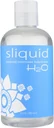
Sliquid
Sliquid H2O OriginalA plant-derived water-based glide that stays slick without glycerin, parabens, or sticky residue — safe with every condom material and every toy in your drawer.
The Complete Guide
Before selecting a lubricant, it's crucial to understand why anal tissue has unique requirements that differ significantly from vaginal tissue. This knowledge informs every recommendation in this guide.
Unlike the vagina, which produces natural lubrication through transudation (fluid passing through the vaginal walls during arousal), the rectum and anal canal produce no lubricating fluids during sexual arousal:
Why This Matters:
- External lubrication isn't optional—it's mandatory
- Without proper lubrication, friction causes microscopic tears
- These micro-tears increase infection transmission risk
- Dry friction is painful and can cause lasting damage
- The body cannot compensate for insufficient lubrication here
The rectum does produce some mucus, but this is for intestinal function, not sexual activity, and is insufficient for comfortable penetration of any kind. Learn more about selecting the right products in our anal play lubricant guide.
Anal and rectal tissue differs structurally from vaginal tissue in important ways:
Thinner Epithelium: The epithelial lining (outermost tissue layer) of the rectum is significantly thinner than vaginal epithelium—just one cell layer thick in places. This means:
- Greater vulnerability to tears and abrasions
- Higher susceptibility to infections including STIs
- Increased importance of cushioning and lubrication
- Faster absorption of products applied to the area
Blood Supply: The anal region has rich blood supply, which means:
- Greater potential for bleeding from tears
- Faster infection transmission into bloodstream
- Visible evidence of trauma (bleeding, bruising)
- Potential for hemorrhoid aggravation
Sensitive Nerve Endings: The anal opening (anus) contains numerous nerve endings that can provide pleasure but also detect pain. The internal rectal tissue has fewer pain receptors, which creates a potential danger—damage can occur internally without immediate awareness. This is why we strongly caution against numbing lubricants.
The rectal environment is more alkaline than the vagina:
Implications for Lubricant Selection:
- pH-balanced vaginal lubricants aren't necessary for anal use
- The rectum doesn't have the protective acidic barrier
- Some anal-specific products are pH-neutral
- Bacterial concerns differ from vaginal use
For more on pH considerations, see our guide on pH-sensitive lubricant options.
The anal sphincter muscles create unique friction challenges:
Two Sphincter System:
- External sphincter: Voluntary control, can be relaxed with practice
- Internal sphincter: Involuntary, responds to pressure
Friction Implications:
- Sphincter tension increases friction dramatically
- Thick lubricants are necessary to maintain lubrication layer
- Reapplication may be needed during activity
- Relaxation techniques reduce lubricant requirements
Understanding these anatomical differences makes clear why anal lubricants require different formulations than general-purpose products.
Sliquid
Sliquid H2O Original
A plant-derived water-based glide that stays slick without glycerin, parabens, or sticky residue — safe with every condom material and every toy in your drawer.
Frequently Asked Questions
Related Buying Guides
Related Articles
Find Your Perfect Lubricant
Put this knowledge to use! Take our quiz for personalized product recommendations.
Take the Quiz